







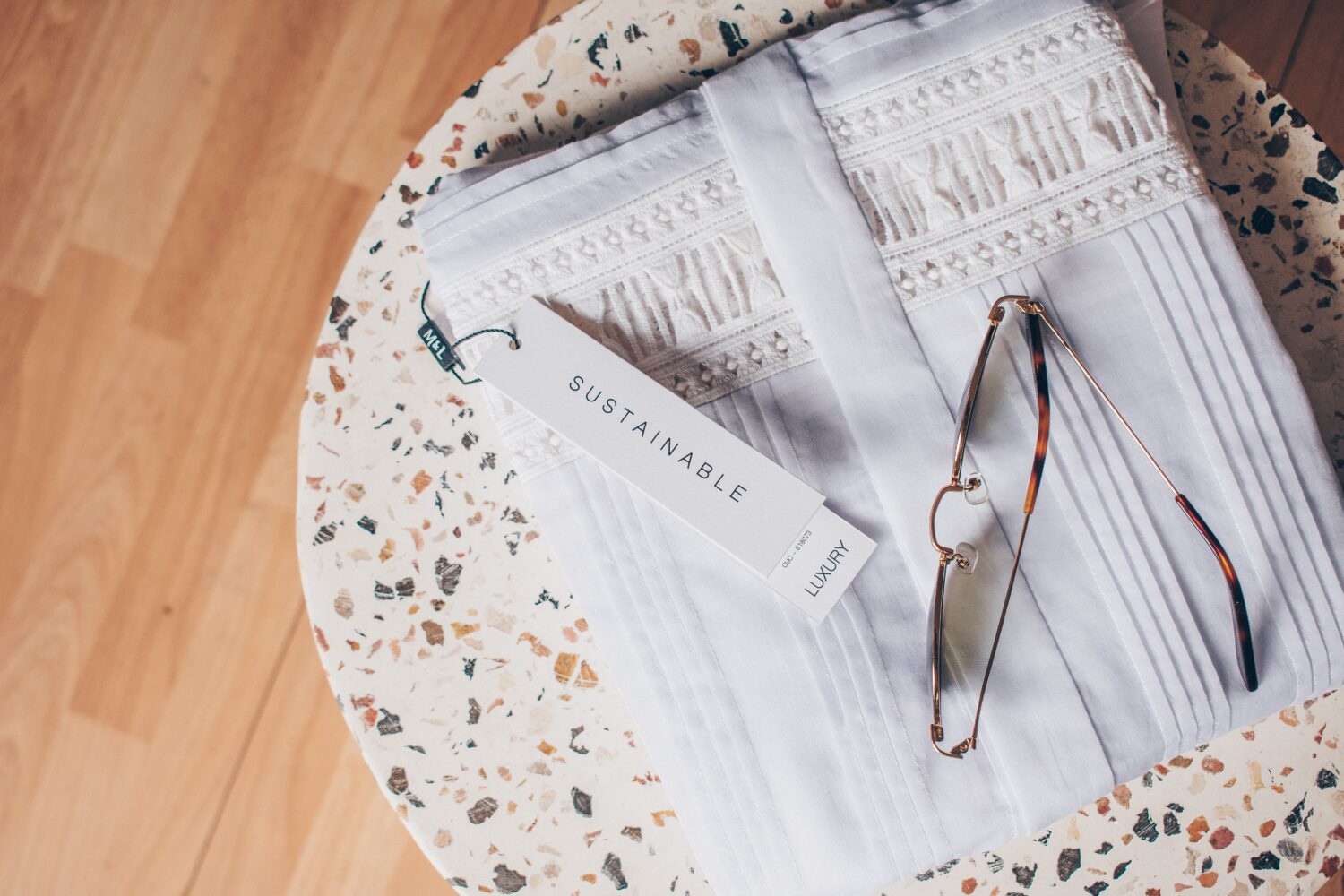
Recognizing truly sustainable products is often not so easy, because not everything labeled "sustainable," "green," or "sustainable" actually is . Since sustainability has become increasingly prevalent in mainstream society, the risk of falling into the greenwashing trap as a consumer has unfortunately also grown. But what exactly is greenwashing, and how can I be sure not to fall for it? In this blog post, we'll explain greenwashing in more detail and offer some helpful advice.
The Duden dictionary defines greenwashing as "the attempt (by companies, institutions) to present themselves as particularly environmentally conscious and environmentally friendly through monetary donations to ecological projects, PR measures, etc. " Greenwashing, therefore, refers to companies that want to market themselves as sustainable but are not. Especially with clothing, it is often difficult to discern which brands are truly committed to environmental protection and sustainable textile production, and which invest more money in advertising campaigns than in actual measures.
Actions speak louder than words; in this case, numbers speak louder than words. Can a company prove that it operates sustainably, or are these just empty promises? Terms like "sustainable" or "environmentally friendly" are not legally protected and therefore reveal little about what actually goes on behind the scenes of a brand . It's crucial to look for concrete figures and data. Has a brand formulated measurable goals on its website? What materials are used? What percentage of the collections are made from recycled fabrics? What about carbon offsetting? Companies that are truly committed to environmental protection set concrete and ambitious goals and pursue them holistically. A "sustainable line" from a major fast fashion brand is all well and good, but it's just a drop in the ocean, and as long as fundamental structures don't change, it unfortunately remains a classic case of greenwashing.
Beware of potential greenwashing and vague language. Especially in the natural cosmetics sector, terms like "natural" or "vegan" are often thrown around. While we welcome the absence of animal-derived ingredients, this doesn't rule out animal testing, for example. And even if one ingredient is of natural origin, the rest of the product may consist of synthetic components.
Also important to remember when it comes to clothing: there is no single, sustainable material . Every fiber has its advantages and disadvantages. Cotton, for example, is a versatile and durable natural material, but its production consumes a lot of water. Furthermore, conventional cotton farming uses harmful pesticides to control weeds, which can dry out the soil and leave toxins in the clothing. Modal and viscose are derived from natural raw materials (cellulose fibers from beech, spruce, or eucalyptus), but are processed using chemicals. If they don't come from certified sources, they contribute to deforestation. You can read more about the specific advantages and disadvantages of different fibers in our blog post on materials .
It's also advisable to read the fine print . Advertisements for "sustainable" fashion collections from fast fashion brands often include meticulous details at the bottom, revealing that the garments are only a fraction more environmentally friendly than the rest of the production process. A small, ecological aspect is deliberately highlighted to distract from larger, more environmentally damaging aspects and thereby create a positive image.
Check out the brand's website and read the information. As described above, general and vague statements often bode ill. Companies that are serious about sustainability and not just focused on profit demonstrate this through transparency, open communication, and clear information. So, if even after diligent research you're still unsure whether a company is trying to mislead you, write the brand an email and ask specific questions. Companies that produce fairly and sustainably have no problem providing information about their production facilities and processes .
Perhaps the most important point in recognizing greenwashing is not to be lulled into complacency by large advertising campaigns and rosy promises. As described above, it is more than welcome when large companies commit to sustainability and environmental protection. However, it is often the case that supposedly sustainable changes or measures merely shift the problem . A good example of this is the increasing consumption of so-called bioplastics. These are considered sustainable because they are biodegradable (in a few cases, compostable). However, the plants used for bioplastics are often grown in monocultures, where excessive use of fertilizers and pesticides damages the ecosystem. To permanently counteract our plastic problem, we must move away from single-use products and rely on durable, repairable alternatives.
Caution is advised when relying on recommendations from influencers and/or celebrities. We often develop a relationship of trust with public figures, as we regularly follow them on social media and gain insights into their private lives. However, it's important to remember that product recommendations are usually based on advertising deals, and influencers are often contractually bound to certain statements. Furthermore, even if influencers select and promote products to the best of their knowledge and conscience, they are not immune to the greenwashing trap.
Yes and no. Textile labels are now a dime a dozen. While it's good that consumers are given assistance in the form of certificates that guarantee certain standards, it's not always easy to use them.
The problem is that textile labels are subsidized by the government and cost companies money. Small businesses, of which there are many in the fair fashion sector, often don't have the budget to get certified. Large companies, in particular, like to create their own labels to brand their collections. These are intended to give them an "eco-image" and increase sales , even though the minimum requirements and guidelines are very low and easy to meet. Just because companies promise to pay their employees the minimum wage doesn't mean they can actually live on it. The minimum wage is legally mandated in most countries and is the lowest permissible amount that workers can be paid for their work. However, this is usually far below the poverty line and differs from a living wage , which guarantees a dignified existence.
In an article for Fashionchangers, Franziska Uhl addresses another problem with textile labels: they are often based on "national standards" in the country of production. She cites the GOTS certification as an example, which guarantees living wages and regulated working hours – but this doesn't necessarily mean the same thing in Bangladesh as it does in Germany (though it certainly can, that's undeniable). Standards can be defined differently depending on the country of production. This puts companies back in the position of having to decide whether they simply want a certificate that makes a good impression, or whether they are truly committed to upholding fair wages and working conditions.
Besides greenwashing, there's also bluewashing . This is the term for the PR strategy of companies that try to improve their image with social or ethical campaigns . They often boast about their commitment to social justice or better working conditions. Unfortunately, these are usually just short-term campaigns or superficial actions that aren't designed for the long term and are quickly forgotten. Many companies engage in bluewashing because it's fashionable to advocate for fair working conditions and social justice. However, the underlying motivation is usually just the hope of boosting sales figures and thus increasing profits.
What are your experiences with greenwashing or bluewashing? Have you ever fallen for it?
Despite our tips and your own research, are you still unsure whether you can buy the brand's clothing with a clear conscience? Why not see if you can find your future fashion companion secondhand? This way you'll not only save money, but also resources.
_______________________________________________________________________
Sources:
Utopia: Bluewashing
Abendzeitung München: Companies present themselves as more environmentally conscious than they actually are
Greenality: “Best of” greenwashing
Vogue: What is greenwashing and how can you recognize it?
Fashionchangers: Why you should question textile labels
DGB Education Center: Fair wage - living wage
Jesango: How useful are textile labels and which ones should you know?
Nachhaltigleben.ch: Recognize greenwashing
Focus: Environmentally friendly or marketing gimmick? How to recognize truly sustainable products
Greenwashing - what exactly is it?
The Duden dictionary defines greenwashing as "the attempt (by companies, institutions) to present themselves as particularly environmentally conscious and environmentally friendly through monetary donations to ecological projects, PR measures, etc. " Greenwashing, therefore, refers to companies that want to market themselves as sustainable but are not. Especially with clothing, it is often difficult to discern which brands are truly committed to environmental protection and sustainable textile production, and which invest more money in advertising campaigns than in actual measures.
Avoiding greenwashing: Five tips
1. Actions speak louder than words
Actions speak louder than words; in this case, numbers speak louder than words. Can a company prove that it operates sustainably, or are these just empty promises? Terms like "sustainable" or "environmentally friendly" are not legally protected and therefore reveal little about what actually goes on behind the scenes of a brand . It's crucial to look for concrete figures and data. Has a brand formulated measurable goals on its website? What materials are used? What percentage of the collections are made from recycled fabrics? What about carbon offsetting? Companies that are truly committed to environmental protection set concrete and ambitious goals and pursue them holistically. A "sustainable line" from a major fast fashion brand is all well and good, but it's just a drop in the ocean, and as long as fundamental structures don't change, it unfortunately remains a classic case of greenwashing.
2. Pay attention to "vague" terms
Beware of potential greenwashing and vague language. Especially in the natural cosmetics sector, terms like "natural" or "vegan" are often thrown around. While we welcome the absence of animal-derived ingredients, this doesn't rule out animal testing, for example. And even if one ingredient is of natural origin, the rest of the product may consist of synthetic components.
Also important to remember when it comes to clothing: there is no single, sustainable material . Every fiber has its advantages and disadvantages. Cotton, for example, is a versatile and durable natural material, but its production consumes a lot of water. Furthermore, conventional cotton farming uses harmful pesticides to control weeds, which can dry out the soil and leave toxins in the clothing. Modal and viscose are derived from natural raw materials (cellulose fibers from beech, spruce, or eucalyptus), but are processed using chemicals. If they don't come from certified sources, they contribute to deforestation. You can read more about the specific advantages and disadvantages of different fibers in our blog post on materials .
3. Read the fine print
It's also advisable to read the fine print . Advertisements for "sustainable" fashion collections from fast fashion brands often include meticulous details at the bottom, revealing that the garments are only a fraction more environmentally friendly than the rest of the production process. A small, ecological aspect is deliberately highlighted to distract from larger, more environmentally damaging aspects and thereby create a positive image.
4. Transparency is key
Check out the brand's website and read the information. As described above, general and vague statements often bode ill. Companies that are serious about sustainability and not just focused on profit demonstrate this through transparency, open communication, and clear information. So, if even after diligent research you're still unsure whether a company is trying to mislead you, write the brand an email and ask specific questions. Companies that produce fairly and sustainably have no problem providing information about their production facilities and processes .
5. Remain critical
Perhaps the most important point in recognizing greenwashing is not to be lulled into complacency by large advertising campaigns and rosy promises. As described above, it is more than welcome when large companies commit to sustainability and environmental protection. However, it is often the case that supposedly sustainable changes or measures merely shift the problem . A good example of this is the increasing consumption of so-called bioplastics. These are considered sustainable because they are biodegradable (in a few cases, compostable). However, the plants used for bioplastics are often grown in monocultures, where excessive use of fertilizers and pesticides damages the ecosystem. To permanently counteract our plastic problem, we must move away from single-use products and rely on durable, repairable alternatives.
Caution is advised when relying on recommendations from influencers and/or celebrities. We often develop a relationship of trust with public figures, as we regularly follow them on social media and gain insights into their private lives. However, it's important to remember that product recommendations are usually based on advertising deals, and influencers are often contractually bound to certain statements. Furthermore, even if influencers select and promote products to the best of their knowledge and conscience, they are not immune to the greenwashing trap.
Seals & certificates: Are they worth anything?
Yes and no. Textile labels are now a dime a dozen. While it's good that consumers are given assistance in the form of certificates that guarantee certain standards, it's not always easy to use them.
The problem is that textile labels are subsidized by the government and cost companies money. Small businesses, of which there are many in the fair fashion sector, often don't have the budget to get certified. Large companies, in particular, like to create their own labels to brand their collections. These are intended to give them an "eco-image" and increase sales , even though the minimum requirements and guidelines are very low and easy to meet. Just because companies promise to pay their employees the minimum wage doesn't mean they can actually live on it. The minimum wage is legally mandated in most countries and is the lowest permissible amount that workers can be paid for their work. However, this is usually far below the poverty line and differs from a living wage , which guarantees a dignified existence.
In an article for Fashionchangers, Franziska Uhl addresses another problem with textile labels: they are often based on "national standards" in the country of production. She cites the GOTS certification as an example, which guarantees living wages and regulated working hours – but this doesn't necessarily mean the same thing in Bangladesh as it does in Germany (though it certainly can, that's undeniable). Standards can be defined differently depending on the country of production. This puts companies back in the position of having to decide whether they simply want a certificate that makes a good impression, or whether they are truly committed to upholding fair wages and working conditions.
Bluewashing
Besides greenwashing, there's also bluewashing . This is the term for the PR strategy of companies that try to improve their image with social or ethical campaigns . They often boast about their commitment to social justice or better working conditions. Unfortunately, these are usually just short-term campaigns or superficial actions that aren't designed for the long term and are quickly forgotten. Many companies engage in bluewashing because it's fashionable to advocate for fair working conditions and social justice. However, the underlying motivation is usually just the hope of boosting sales figures and thus increasing profits.
What are your experiences with greenwashing or bluewashing? Have you ever fallen for it?
Despite our tips and your own research, are you still unsure whether you can buy the brand's clothing with a clear conscience? Why not see if you can find your future fashion companion secondhand? This way you'll not only save money, but also resources.
_______________________________________________________________________
Sources:
Utopia: Bluewashing
Abendzeitung München: Companies present themselves as more environmentally conscious than they actually are
Greenality: “Best of” greenwashing
Vogue: What is greenwashing and how can you recognize it?
Fashionchangers: Why you should question textile labels
DGB Education Center: Fair wage - living wage
Jesango: How useful are textile labels and which ones should you know?
Nachhaltigleben.ch: Recognize greenwashing
Focus: Environmentally friendly or marketing gimmick? How to recognize truly sustainable products






































Leave a comment
This site is protected by hCaptcha and the hCaptcha Privacy Policy and Terms of Service apply.