





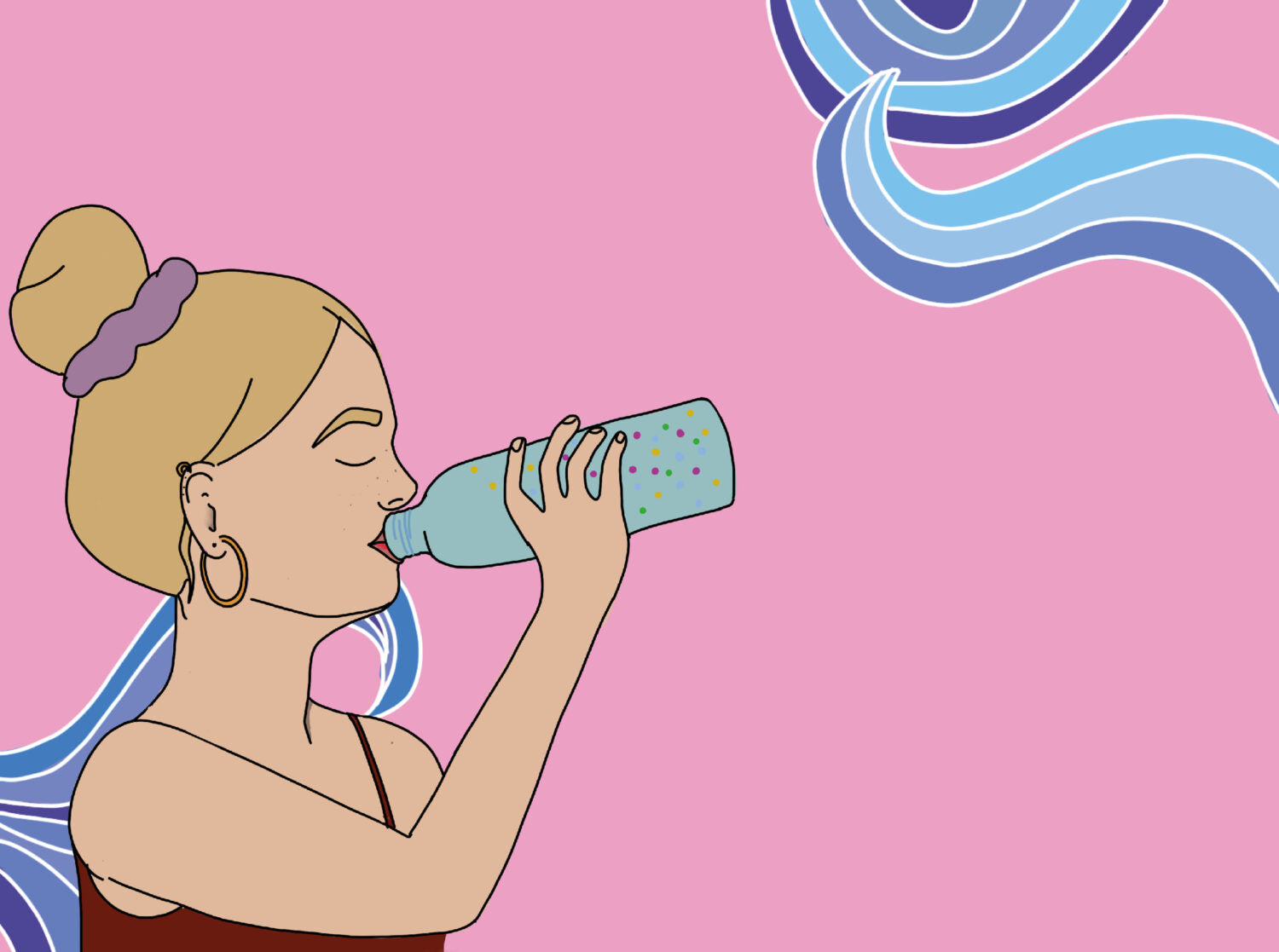
Today is World Water Day! Since 1993, March 22nd has served as a reminder that water is the world's most important resource and that we must use it sparingly. Especially in a water-rich country like Germany, we rarely think about our water consumption. But worldwide, many people still lack access to clean drinking water. Therefore, we've compiled some interesting facts and figures for you and offer tips on how you can use water more consciously and sparingly – perhaps one or two of these points will be new to you and will give you food for thought.
This year, March 22nd is dedicated to the theme " Valuing Water ." With this theme, the United Nations aims to encourage people to reflect on the vital importance of water and its value. This goes far beyond the financial aspect and also encompasses the ecological, social, and cultural value of water.
Let's start with some hard facts . Did you know that…
When you think of bananas, jeans, or a bicycle, you don't necessarily think of water – but these goods also consume a lot of water in their production . The water consumed, polluted, or evaporated in the production process is called virtual water.
For food, for example, the irrigation of fields is factored in; for meat, it's the water used to grow the feed for the animals. Virtual water consists of three components: green, blue, and grey water. Green water refers to rainwater stored in the soil and absorbed by plants as they grow. So-called blue water is used to irrigate fields and comes from rivers and lakes. Grey water is water polluted during the production of goods, for example, by fertilizers or pesticides. It is measured by the amount of water that would theoretically be needed to dilute pollutants to the point where they become harmless.
Below we have listed some products and foods and their water consumption.
In Germany, we take virtually unrestricted access to water for granted. Globally, this is definitely not the case. Rivers and lakes are drying up, droughts are becoming more frequent, the amount of potable water is shrinking, and there are even armed conflicts over drinking water. Of course, the solution to this global problem lies primarily in the hands of politics and business, but what can each of us contribute to a much-needed improvement?
Our tips for saving water:
Sources:
careelite.de: Water shortage (March 19, 2021)
unicef.de: World Water Day 2020 (March 19, 2021)
Klassewasser.de: Virtual Water (March 19, 2021)
UNESCO. Culture and Nature: Water (22.03.2021)
Federal Ministry for Economic Cooperation and Development (22.03.2021)
Utopia: World Water Day (March 19, 2021)
Statista: Water consumption of cow's milk and plant-based milk (22.03.2021)
Rainforest-protection.de: Virtual Water (March 19, 2021)
Thirsty Goods (19.03.2021)
This year, March 22nd is dedicated to the theme " Valuing Water ." With this theme, the United Nations aims to encourage people to reflect on the vital importance of water and its value. This goes far beyond the financial aspect and also encompasses the ecological, social, and cultural value of water.
Did you know that drinking water is the most strictly monitored foodstuff in Germany?
Our water consumption: 5 facts
Let's start with some hard facts . Did you know that…
- ... that each person consumes an average of 1 million liters of water per year?
- ... only 2.5% of the water on Earth is drinking water?
- ... 2.2 billion people on Earth do not have regular access to clean drinking water?
- ... drinking water is the most strictly monitored foodstuff in Germany?
- ...bottled water is 300 times more expensive than tap water?
- ...and has 600 times higher CO2 emissions?
Virtual water: What exactly is it?
When you think of bananas, jeans, or a bicycle, you don't necessarily think of water – but these goods also consume a lot of water in their production . The water consumed, polluted, or evaporated in the production process is called virtual water.
For food, for example, the irrigation of fields is factored in; for meat, it's the water used to grow the feed for the animals. Virtual water consists of three components: green, blue, and grey water. Green water refers to rainwater stored in the soil and absorbed by plants as they grow. So-called blue water is used to irrigate fields and comes from rivers and lakes. Grey water is water polluted during the production of goods, for example, by fertilizers or pesticides. It is measured by the amount of water that would theoretically be needed to dilute pollutants to the point where they become harmless.
Below we have listed some products and foods and their water consumption.
- 1 cup of coffee: 140 liters
- 1 sheet of paper: 10 liters
- Handy: 900 liters
- 1 kilogram of almonds: 10645 liters
- 1 liter of cow's milk: 628 liters of water
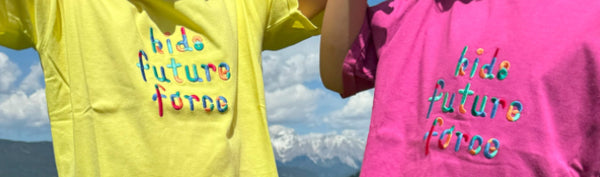
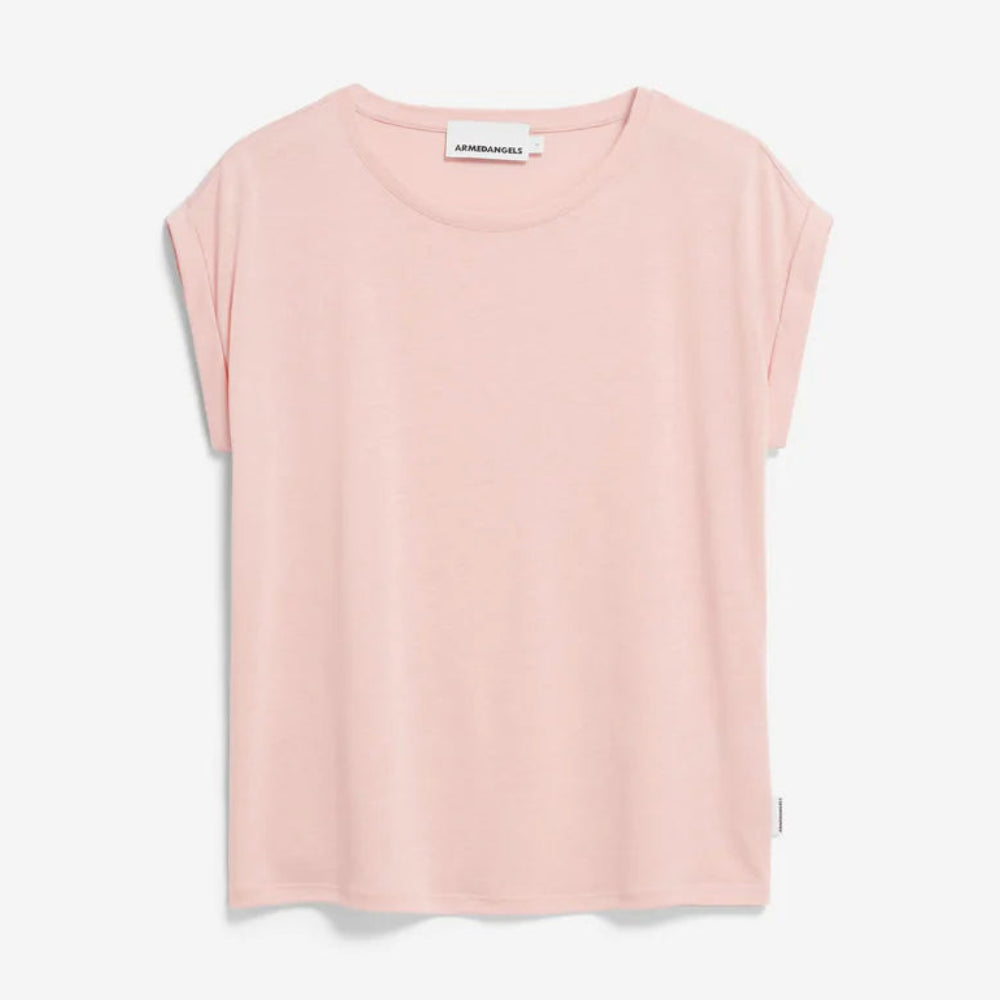
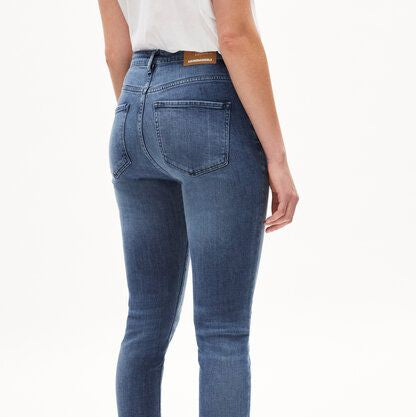
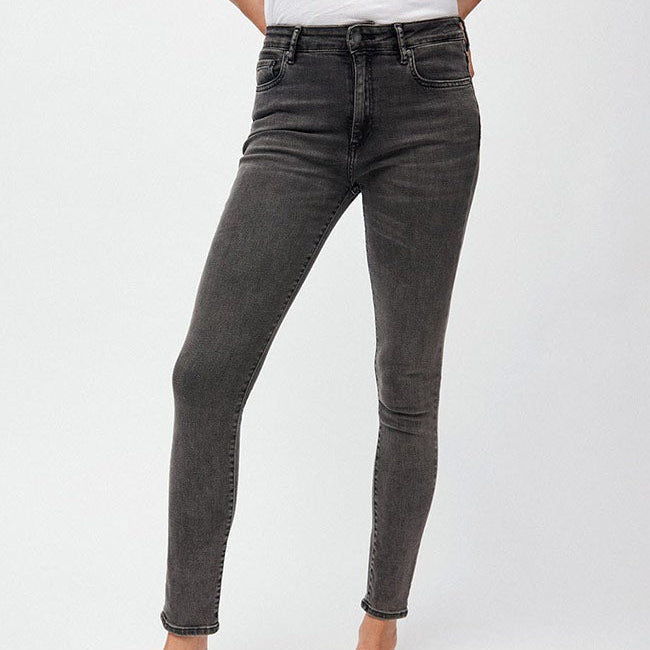
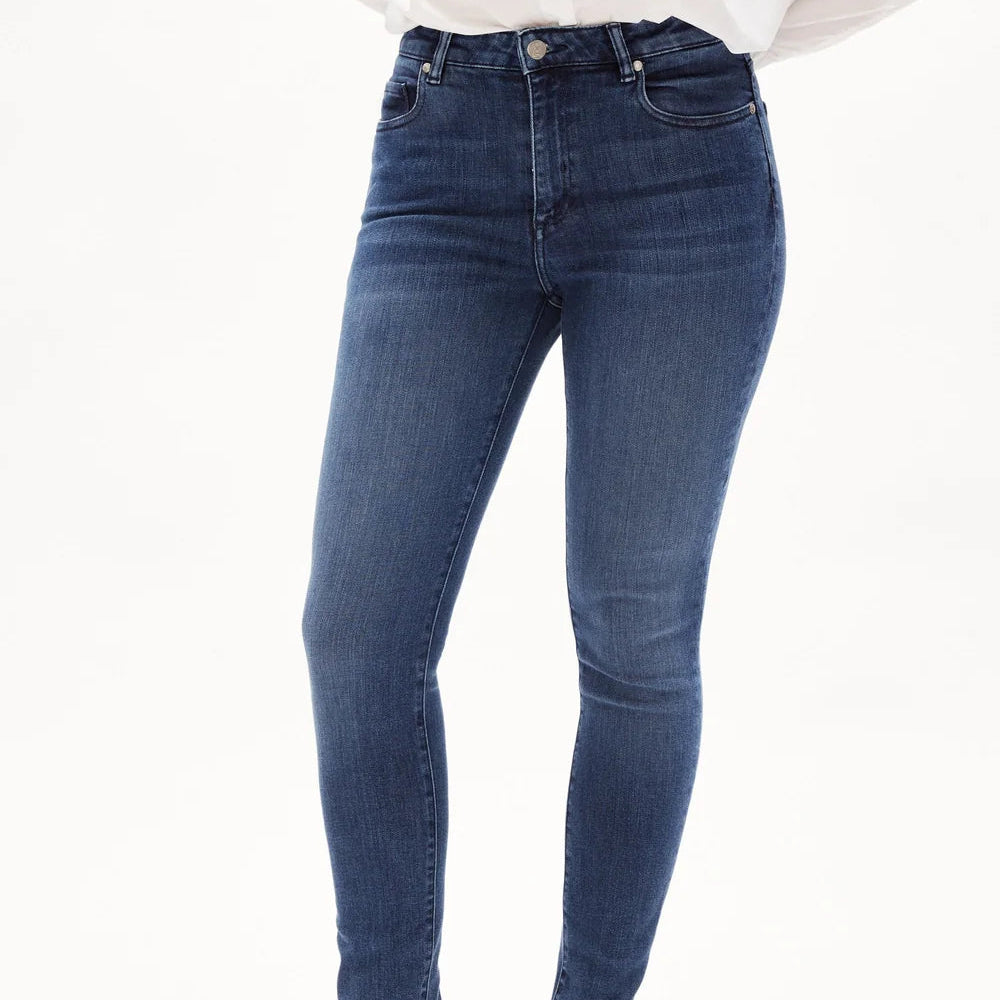
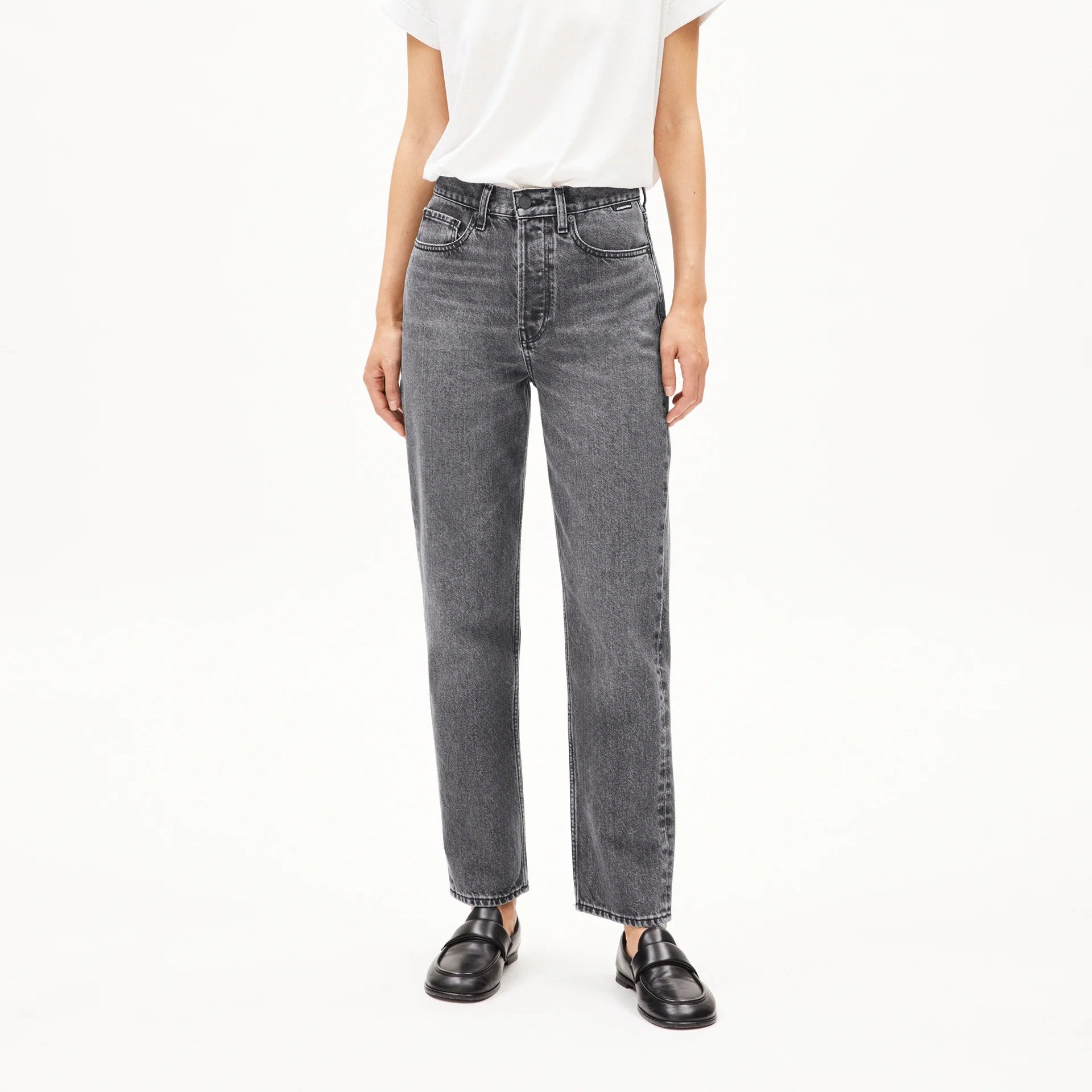
- Cotton T-shirt: 14,000 liters
- 1 liter of apple juice : 1140 liters of water
| 1 kilogram of potatoes | 1 kilogram of tomatoes |
| Germany: 28 liters/kg | Germany: 9 liters/kg |
| Egypt: 396 liters/kg | Netherlands: 2 liters/kg |
| Israel: 159 liters/kg | Spain: 48 liters/kg |
Saving water – it's up to us and politicians!
In Germany, we take virtually unrestricted access to water for granted. Globally, this is definitely not the case. Rivers and lakes are drying up, droughts are becoming more frequent, the amount of potable water is shrinking, and there are even armed conflicts over drinking water. Of course, the solution to this global problem lies primarily in the hands of politics and business, but what can each of us contribute to a much-needed improvement?
Our tips for saving water:
- Since meat and dairy products require a lot of water to produce, you should consider a plant-based diet. For example, compared to the water used to produce one liter of cow's milk, oat milk uses only 48 liters of water, and soy milk only 28 liters. If you don't want to completely give up animal products right away, simply including a few vegan meals in your weekly diet is enough.
- Regarding washing clothes: Often, simply hanging your hoodie or jeans outside to air them out is sufficient, instead of washing them. When washing, you should use a low temperature (30 degrees Celsius) and a low spin speed (600-1000 revolutions per minute) . Avoid fabric softener, as it contains harmful chemicals that pollute wastewater.
- Yes, a long shower is lovely, but try to keep it short! And turn off the water when you're lathering up.
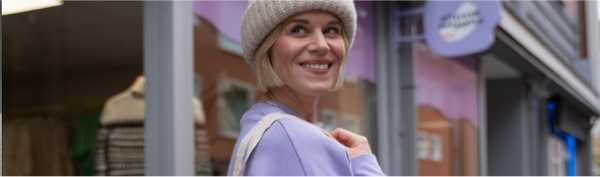
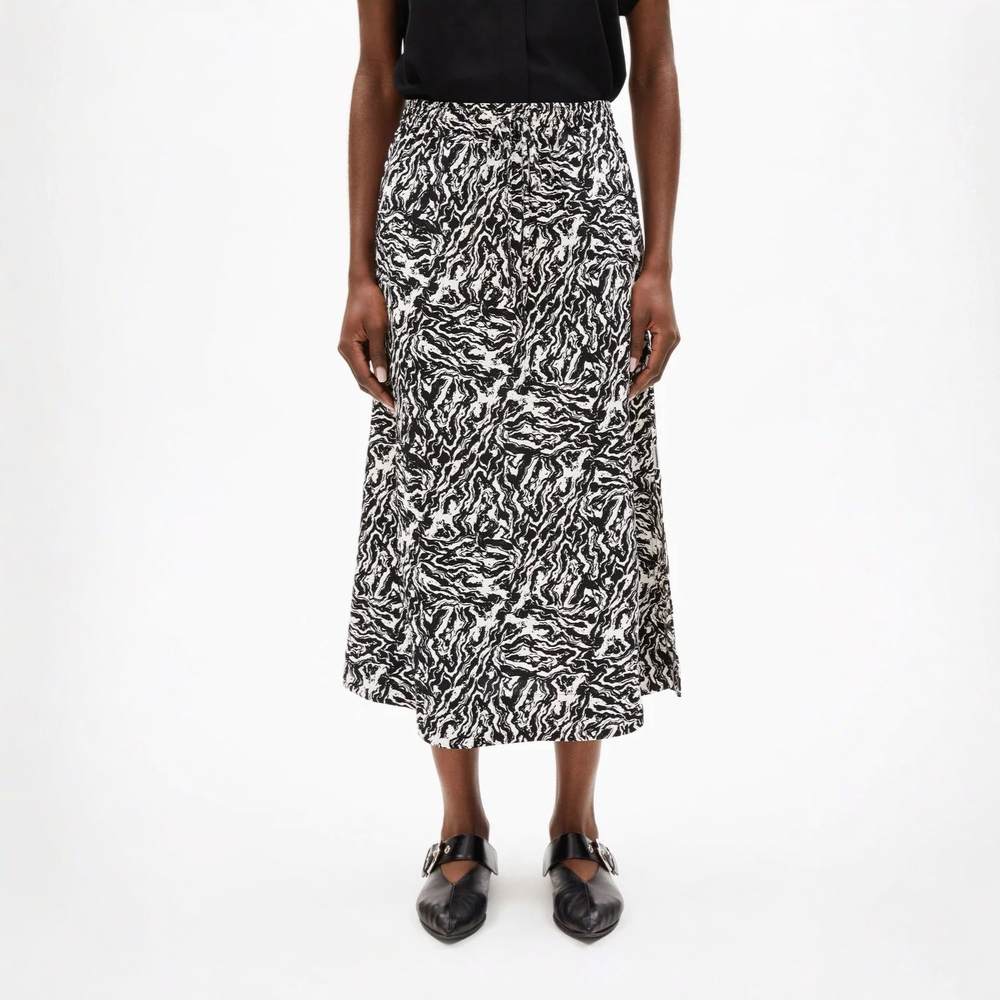
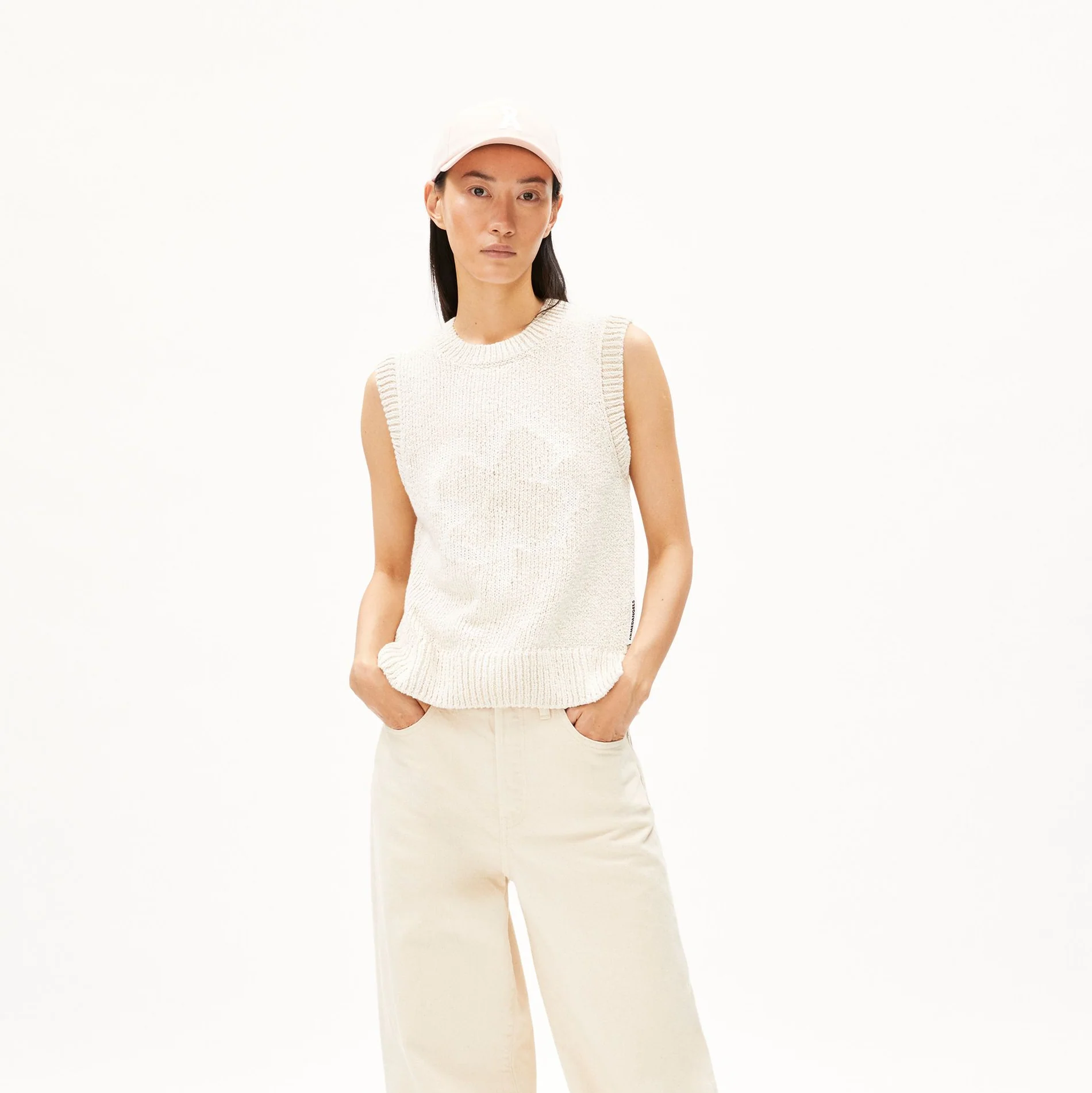
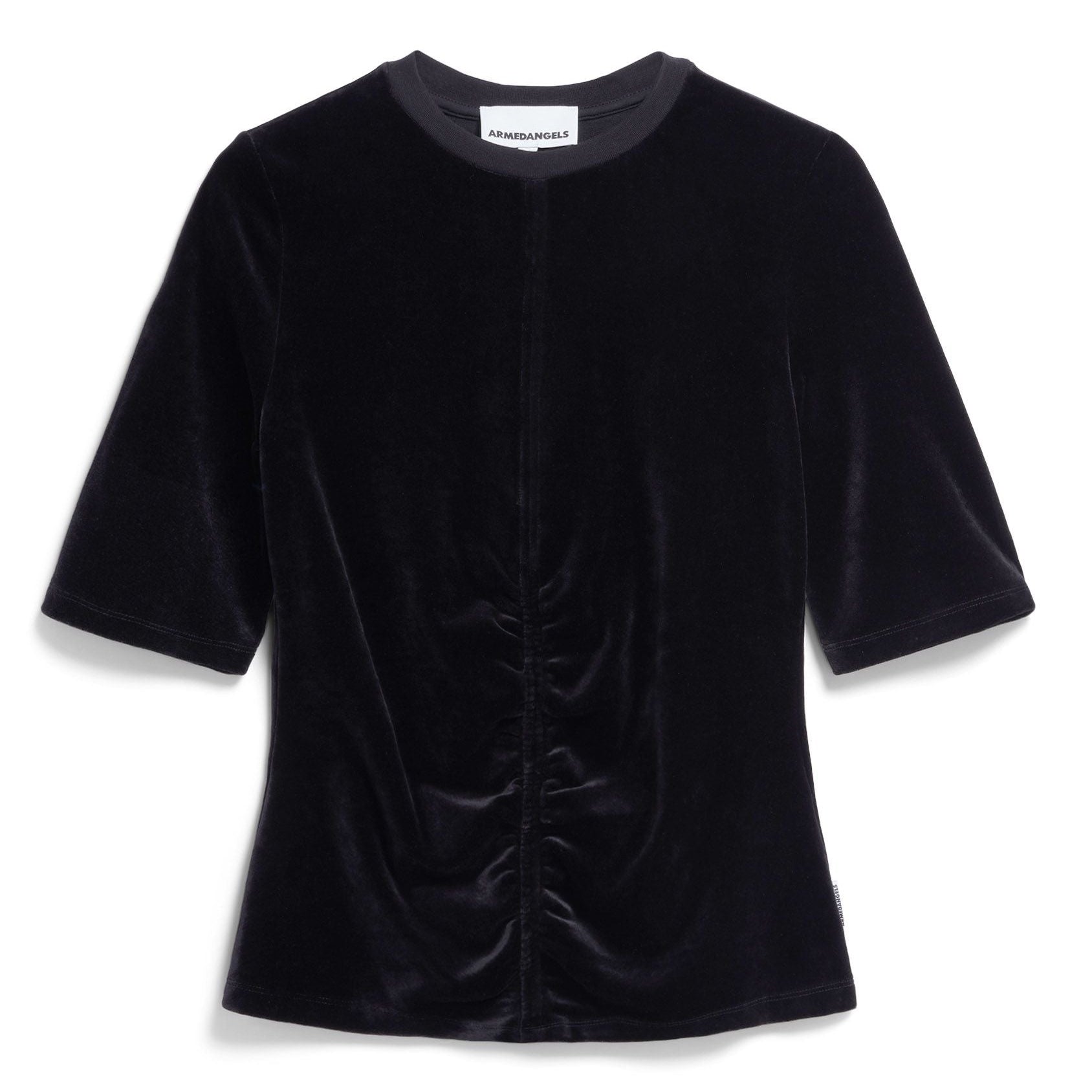
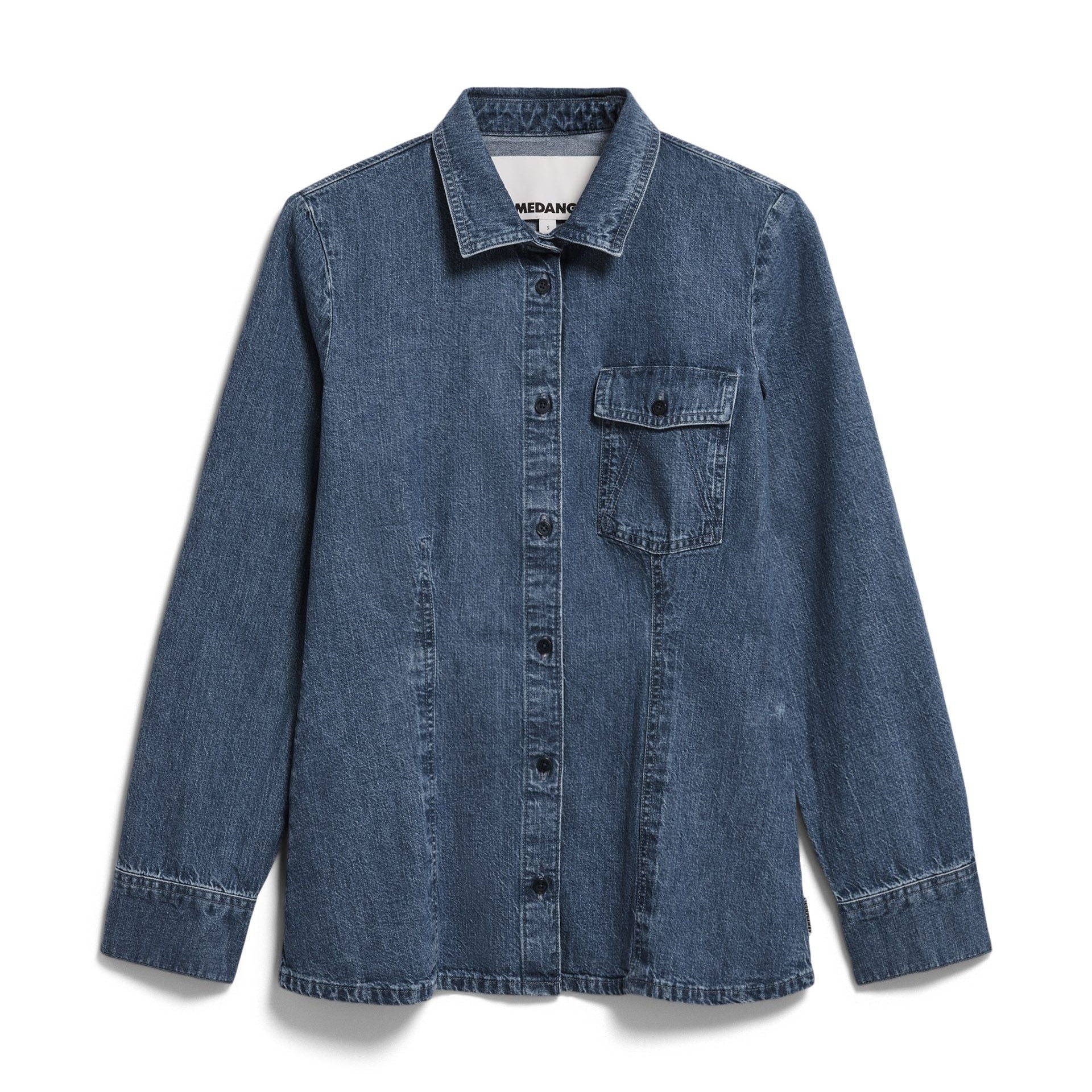
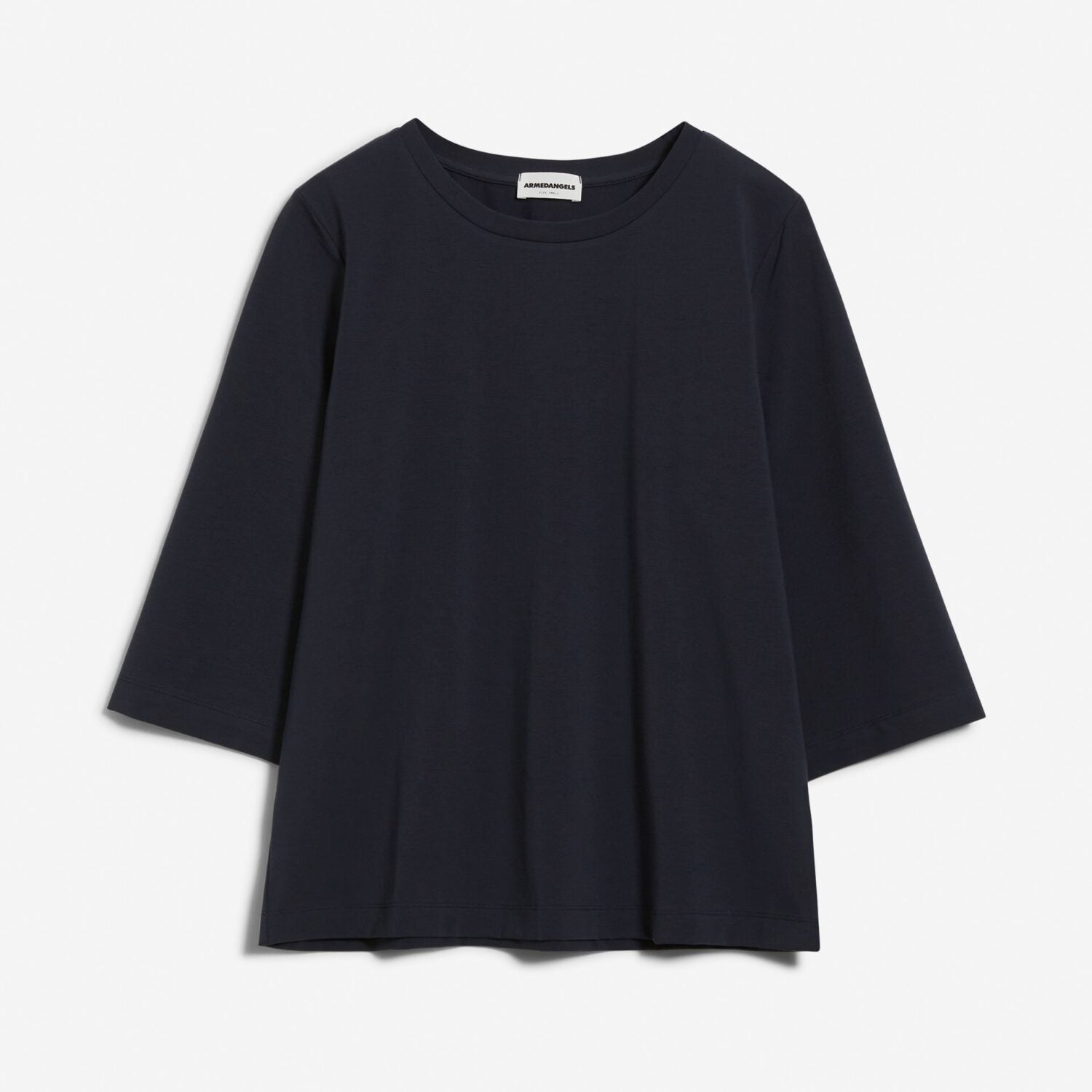
- Buying secondhand: As mentioned above, clothing production requires enormous amounts of water. A single cotton T-shirt alone requires 14,000 liters, not to mention other materials. It's a clear case when it comes to fashion, because resources and water have already been consumed in the production of previously manufactured goods. In other words, a vintage sweater doesn't use a single liter of water.
- Whenever possible, we should drink tap water and avoid bottled water in PET bottles. This protects the environment by saving on transport and packaging, is cheaper, and water is the best way to quench thirst anyway.
- Buy regional and seasonal produce whenever possible. As explained above, potatoes from Egypt, for example, require much more irrigation and can contribute to local water shortages.
- Furthermore, we can try to support farms with sustainable soil management (e.g., Demeter ). This counteracts the contamination of drinking water by nitrate fertilizers.
- Water projects by organizations like Viva con Agua are committed to ensuring safe access to drinking water and are 100% worth supporting! You can learn more about Viva con Agua's water projects here . Even a small donation helps! :)
________________________________________________________________________________________________
Sources:
careelite.de: Water shortage (March 19, 2021)
unicef.de: World Water Day 2020 (March 19, 2021)
Klassewasser.de: Virtual Water (March 19, 2021)
UNESCO. Culture and Nature: Water (22.03.2021)
Federal Ministry for Economic Cooperation and Development (22.03.2021)
Utopia: World Water Day (March 19, 2021)
Statista: Water consumption of cow's milk and plant-based milk (22.03.2021)
Rainforest-protection.de: Virtual Water (March 19, 2021)
Thirsty Goods (19.03.2021)













































Leave a comment
This site is protected by hCaptcha and the hCaptcha Privacy Policy and Terms of Service apply.