

Shopping without creating single-use waste isn't easy. Christina and Anja have dedicated themselves to tackling this problem with their company , umtüten. Their goal: to breathe new life into the often-overlooked topic of packaging. In this interview, they tell us about their vision and introduce us to their cotton bags, which they designed together with their trusted master baker.
I (Christina) returned to Germany a few years ago after a long trip. My first stop: a bakery to treat myself to a much-desired snack back home.
But there I immediately experienced my first culture shock. Disposable paper bags were being handed over the counter every second as a matter of course.
When Anja and I met at the beginning of our studies in sustainability science in Kiel, we were still surrounded by this problem and decided to tackle it together.
As students, we were able to set up a local environmental project. Five months ago, after finishing our studies, we decided to become self-employed with our bag repurchasing business.
At work, on the train, or while playing sports, we produce so much waste – and often don't even realize it. With these bags, we're showing how easy it can be to break routines.
You don't need to turn everything upside down at once; you can start with small steps. And once you've started, you'll quickly begin to rethink things in other everyday situations as well.
Then the fibers come to Germany, where they are woven into fabric and dyed.
The cornstarch comes from the EU and is GMO-free. All other suppliers are based in Germany and meet in Augsburg, where our bags are handmade.
In some cases, we use recycled cotton fabric: fabric ends from production are reused and woven into new fabric.
The seamstresses in the workshop are paid fairly, and people facing difficulties in the workplace are given special support. Finally, we print the bags individually and by hand using the screen printing process in Kiel.
The bread bag holds 15 rolls or 2 loaves of bread. The drawstring allows you to hang it anywhere, so you'll definitely have it with you on your next shopping trip. It's also perfect for storing rolls at home. It's easily washable at 40 degrees.
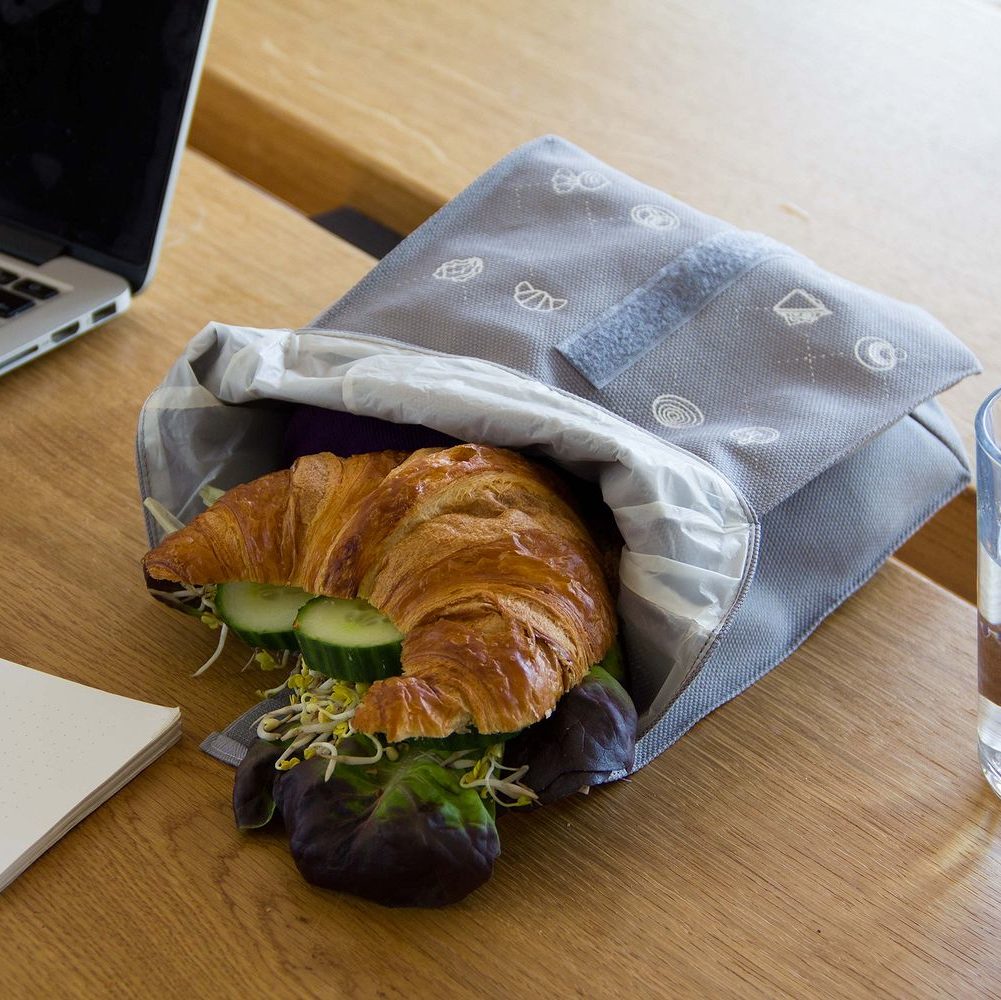
This small snack bag is perfect for crisp sandwiches and crunchy croissants. The cornstarch lining keeps snacks fresh for longer. And the Velcro closure allows the bag to flexibly adapt to its contents. Simply turn it inside out and wipe it with a sponge, and it's ready for the next snack. It can even be washed occasionally.
The large market bag is ideal for fresh fruit and vegetables. The cornstarch keeps the produce fresh for longer, and after a quick wipe, you can take it with you to the next market visit.
In school workshops, we want to support children in implementing their own sustainability projects, opening their eyes to their own potential for shaping society. In consulting projects focusing on waste reduction, we want to involve employees in making internal processes more sustainable.
In this way, we want to help shape Germany's single-use packaging policy in a sustainable way.
Click here to go to the Snack Tüüt in the shop.
1. How did your project actually come about and who is behind "umtüten"?
I (Christina) returned to Germany a few years ago after a long trip. My first stop: a bakery to treat myself to a much-desired snack back home.
But there I immediately experienced my first culture shock. Disposable paper bags were being handed over the counter every second as a matter of course.
When Anja and I met at the beginning of our studies in sustainability science in Kiel, we were still surrounded by this problem and decided to tackle it together.
As students, we were able to set up a local environmental project. Five months ago, after finishing our studies, we decided to become self-employed with our bag repurchasing business.
2. Do you want to start a counter-movement with your bags, similar to the one that now exists with coffee-to-go cups?
The Tüüt is our thought-provoking idea to rethink the single-use craze in Germany.At work, on the train, or while playing sports, we produce so much waste – and often don't even realize it. With these bags, we're showing how easy it can be to break routines.
You don't need to turn everything upside down at once; you can start with small steps. And once you've started, you'll quickly begin to rethink things in other everyday situations as well.
3. How is such a bag made? Where do you have the bags produced?
The life of a Tüüt begins in Tanzania on a cotton plantation. The plants are completely rain-irrigated.Then the fibers come to Germany, where they are woven into fabric and dyed.
The cornstarch comes from the EU and is GMO-free. All other suppliers are based in Germany and meet in Augsburg, where our bags are handmade.
In some cases, we use recycled cotton fabric: fabric ends from production are reused and woven into new fabric.
The seamstresses in the workshop are paid fairly, and people facing difficulties in the workplace are given special support. Finally, we print the bags individually and by hand using the screen printing process in Kiel.
4. How can your bags be used and can they be cleaned?
The bread bag holds 15 rolls or 2 loaves of bread. The drawstring allows you to hang it anywhere, so you'll definitely have it with you on your next shopping trip. It's also perfect for storing rolls at home. It's easily washable at 40 degrees.
This small snack bag is perfect for crisp sandwiches and crunchy croissants. The cornstarch lining keeps snacks fresh for longer. And the Velcro closure allows the bag to flexibly adapt to its contents. Simply turn it inside out and wipe it with a sponge, and it's ready for the next snack. It can even be washed occasionally.
The large market bag is ideal for fresh fruit and vegetables. The cornstarch keeps the produce fresh for longer, and after a quick wipe, you can take it with you to the next market visit.
5. Looking to the future: how do you envision your project in five years?
The bags are our key to even greater impact, namely in schools and in industry.In school workshops, we want to support children in implementing their own sustainability projects, opening their eyes to their own potential for shaping society. In consulting projects focusing on waste reduction, we want to involve employees in making internal processes more sustainable.
In this way, we want to help shape Germany's single-use packaging policy in a sustainable way.
Click here to go to the Snack Tüüt in the shop.



















Leave a comment
This site is protected by hCaptcha and the hCaptcha Privacy Policy and Terms of Service apply.