

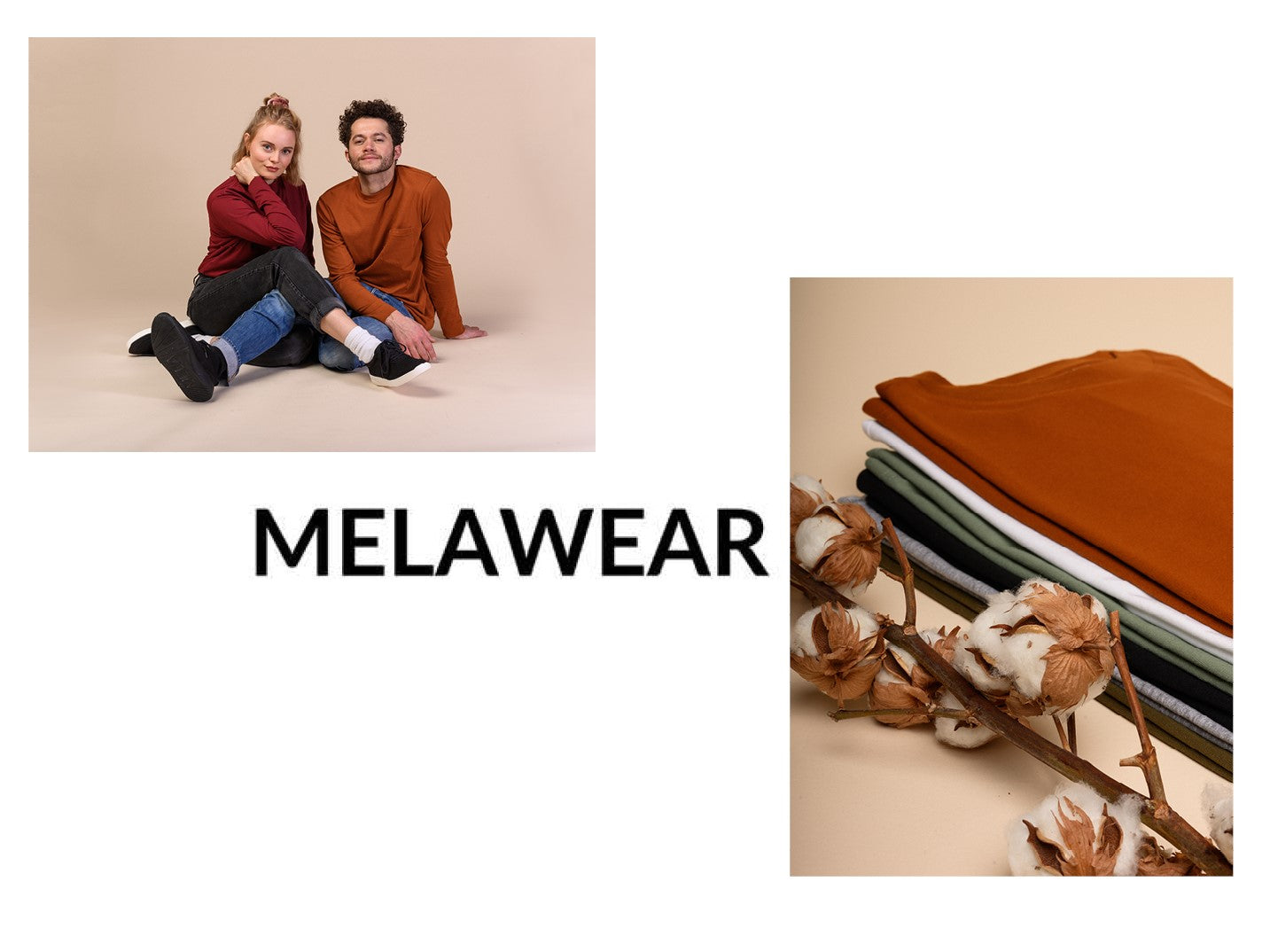
Questioning, taking action, transparency, and the highest sustainability standards – these are the guiding principles of the German fashion brand MELAWEAR . We were impressed by the brand not only because of its timeless designs, but also because of its commitment to making the textile industry more sustainable, fairer, and more ecological.
We would therefore like to introduce MELAWEAR to you in more detail and were allowed to ask the founder, Henning Siedentopp, some questions.
It all started with a sabbatical year during which I traveled through India and was captivated by the country and its many facets. It was there that I first encountered the topics of sustainable fashion, organic and fair trade cotton farming. When I then completed my master's degree in Lüneburg, the idea of founding a sustainable company focused on these areas continued to grow. While still studying, I traveled back to India , visited sustainable textile production facilities there, and found a producer whose approach perfectly matched my high sustainability standards.
We started in 2014 with our first Fairtrade and GOTS-certified T-shirt collection. However, at that time we also recognized the backpack trend and developed the world's first fully certified sustainable backpack called "ansvar." This made us a household name in the sustainability scene. We're therefore delighted that the backpack has been nominated for the German Sustainability Award this year and is now available for purchase . Our product range has since expanded considerably, and new styles and models have been added gradually.
Developing our sustainable sneaker was probably the biggest challenge , as we created the first shoe according to the GOTS and Fairtrade Cotton standards, and all materials and components had to meet these standards. The development took us approximately two years .
We recommend that customers look for sustainability labels . The Global Organic Textile Standard (GOTS) is one of the most comprehensive standards. However, since we believe it is strongest in the area of ecology, we have specifically opted for dual certification with a social standard. The Fairtrade Cotton Standard additionally ensures that cotton farmers are paid fairly and that social criteria are met during the garment production process.
We use 100% organic cotton for all our textiles. Cotton is a natural product and, unlike polyester, does not produce microplastic particles in the form of tiny fibers that are shed during washing. Blended fibers are also often much more difficult to recycle .
Finally, we highly recommend the podcast STEP INTO THE FUTURE by MELAWEAR . In this podcast , the sustainable fashion label shares firsthand insights into everything you need to know about sustainability in the fashion industry. Extremely interesting and highly recommended!
In episode #2, founder Henning Siedentopp explains, for example, why MELAWEAR produces in India and not in Europe.
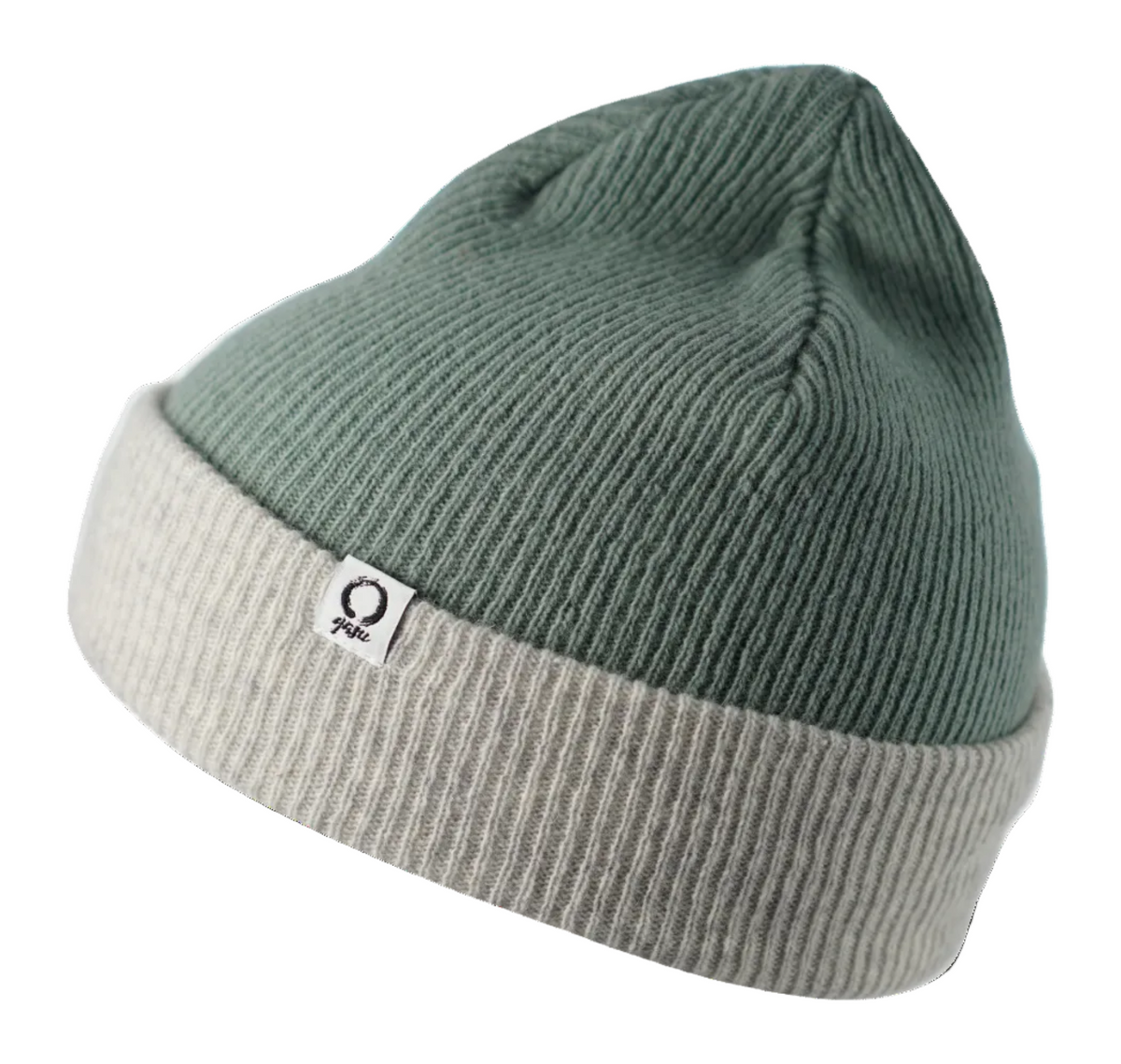
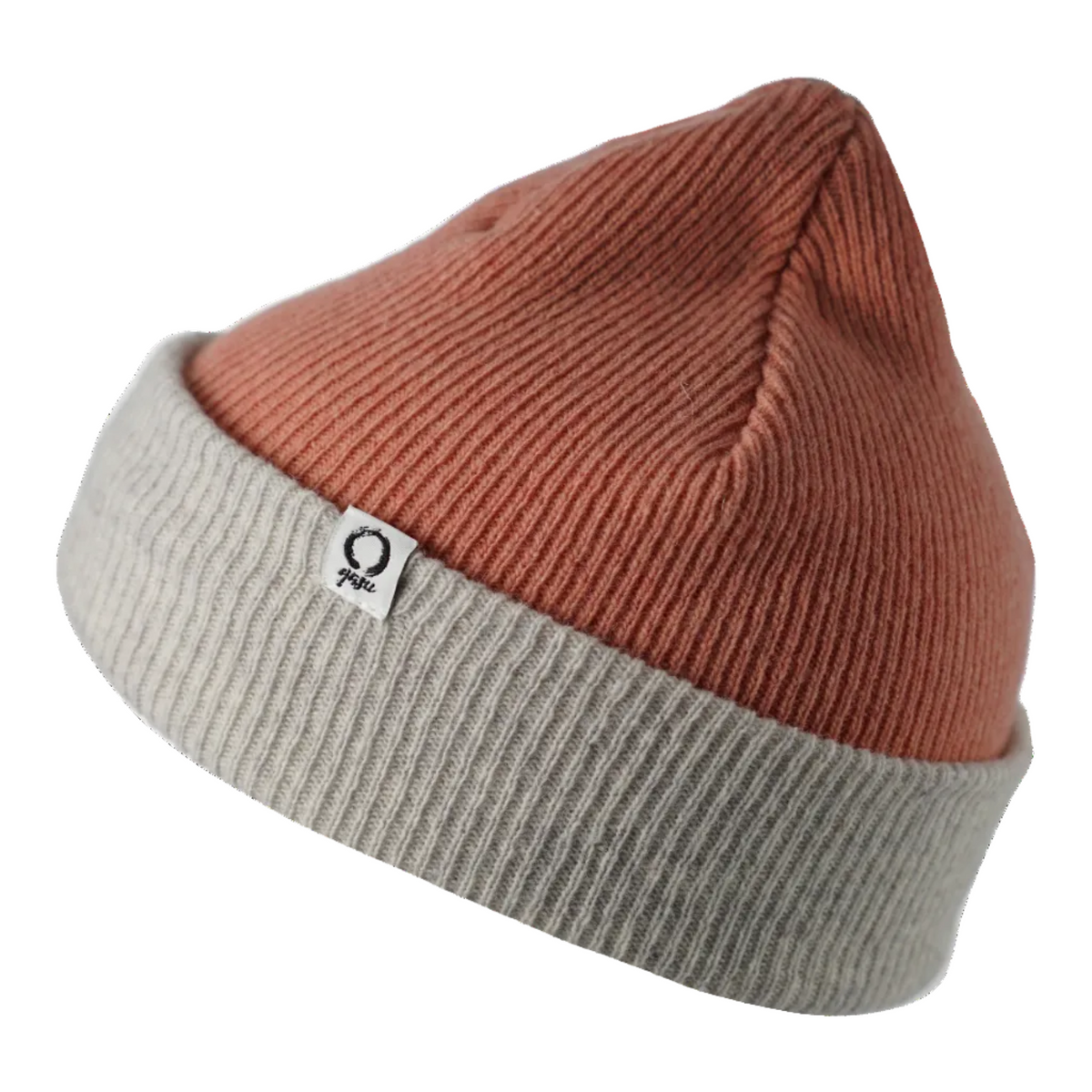
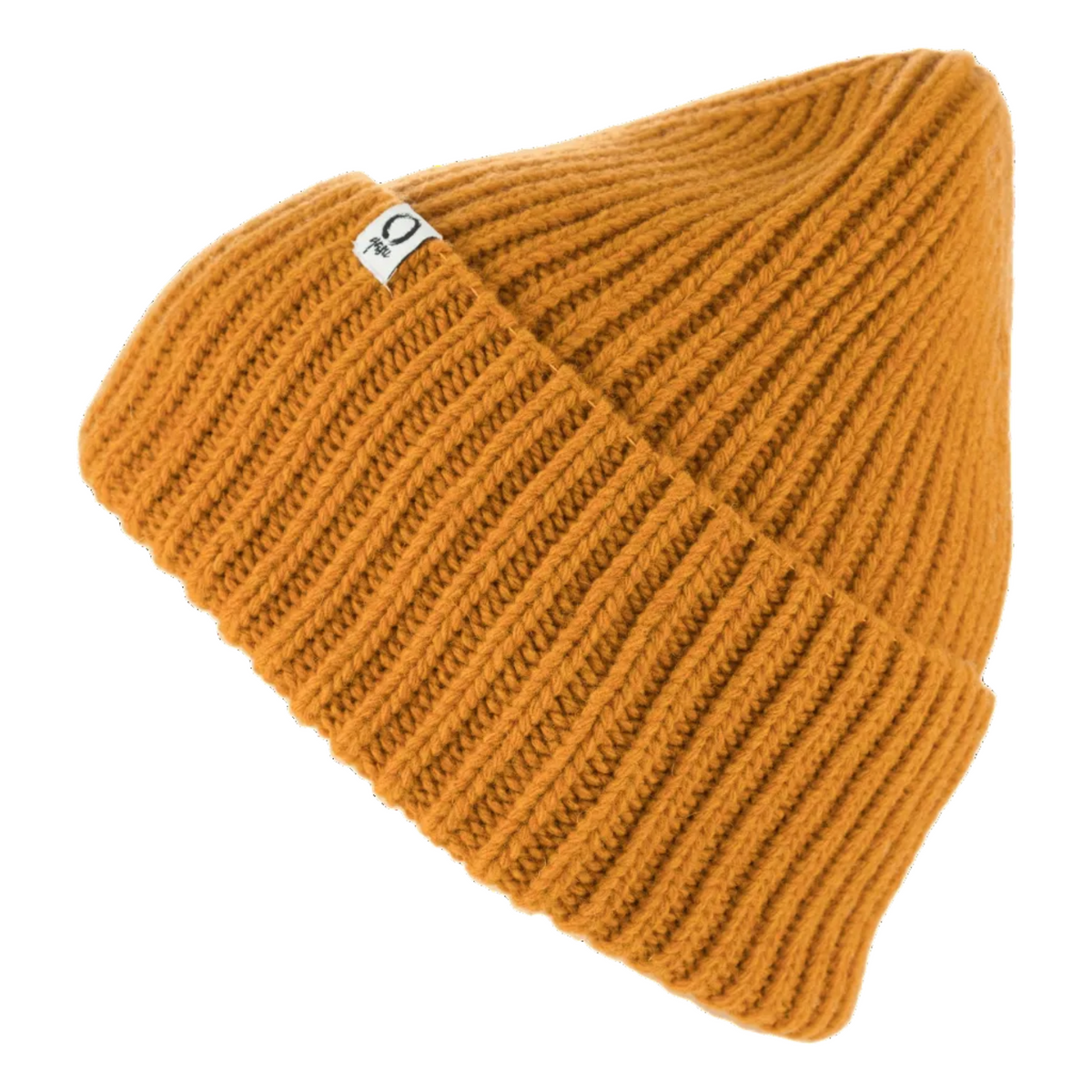
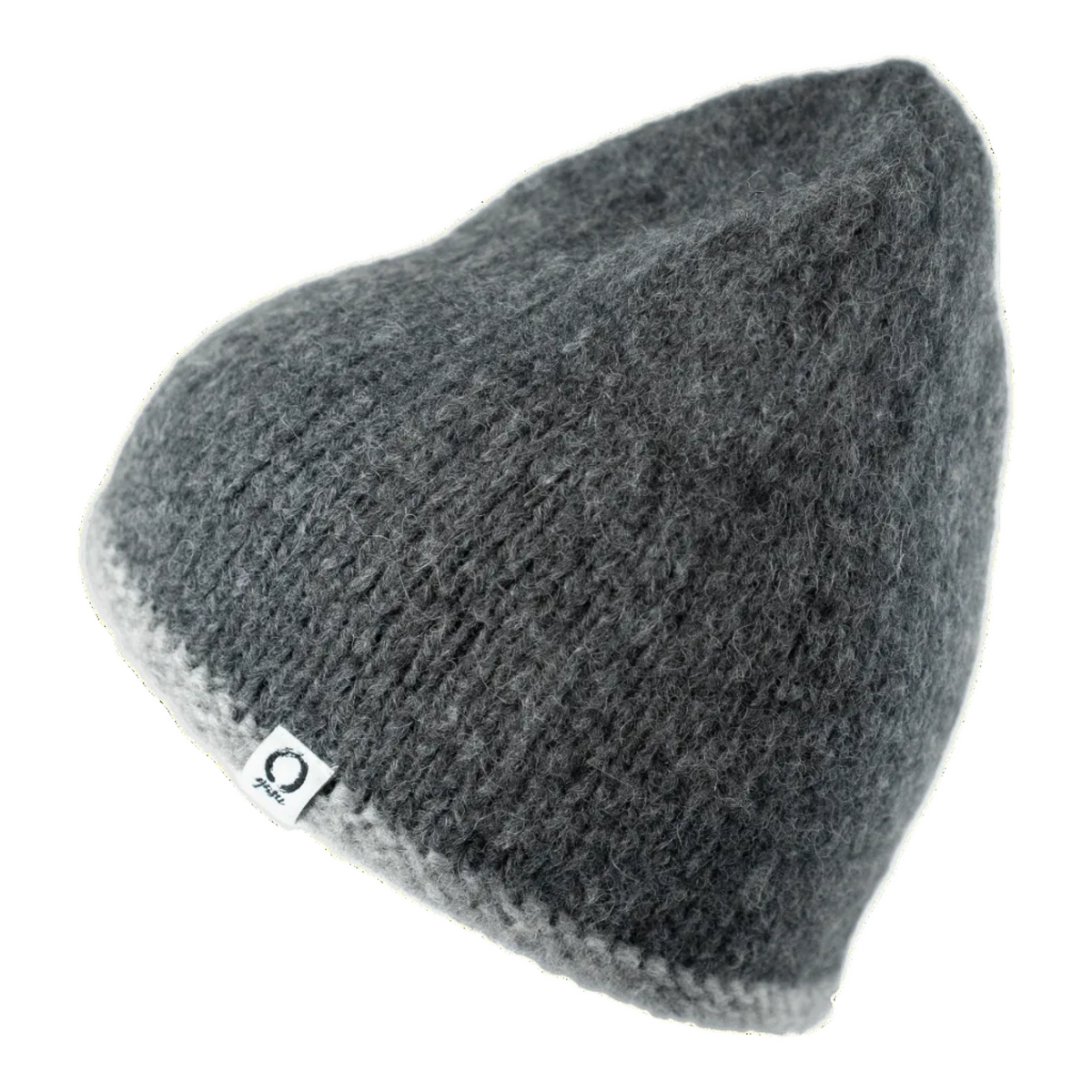
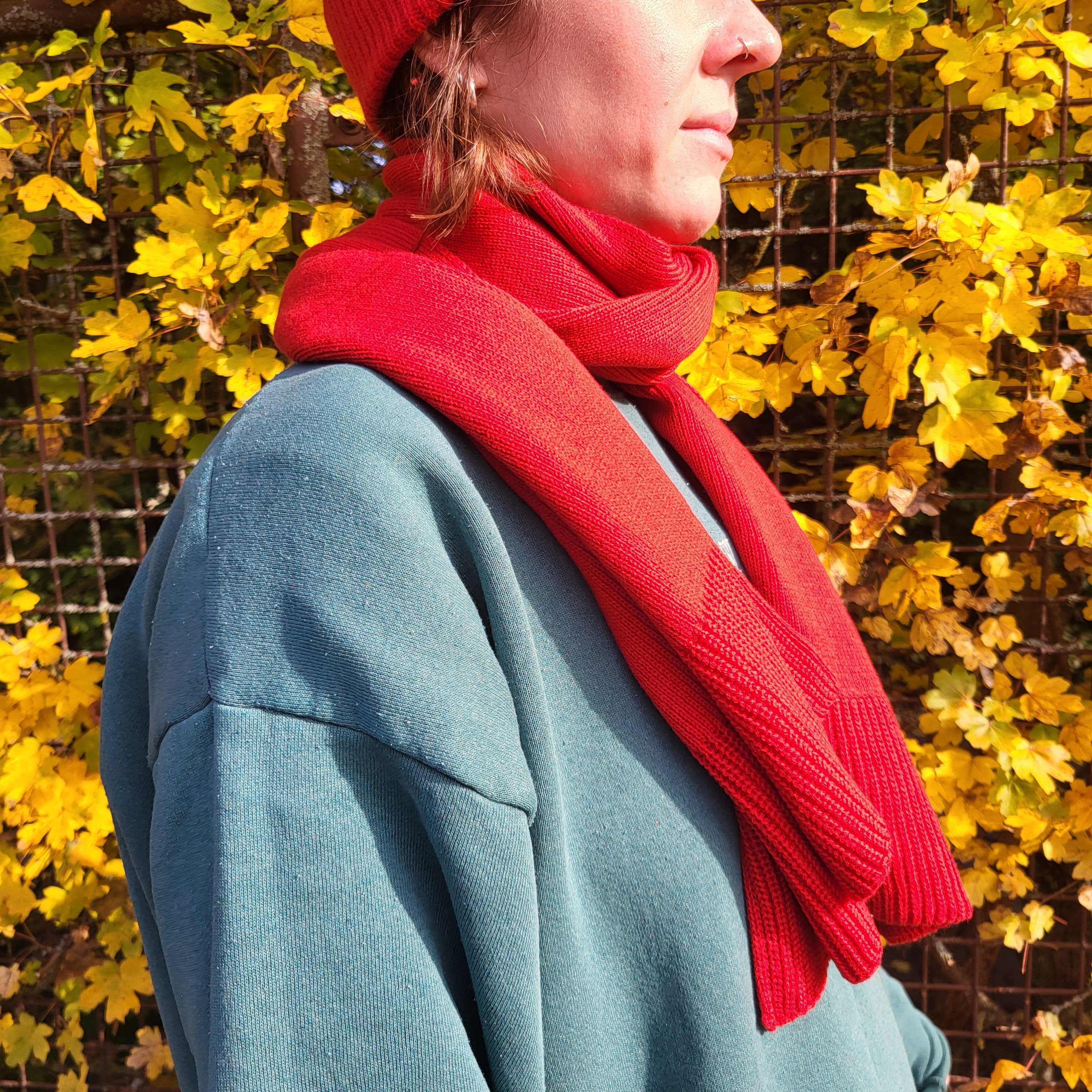
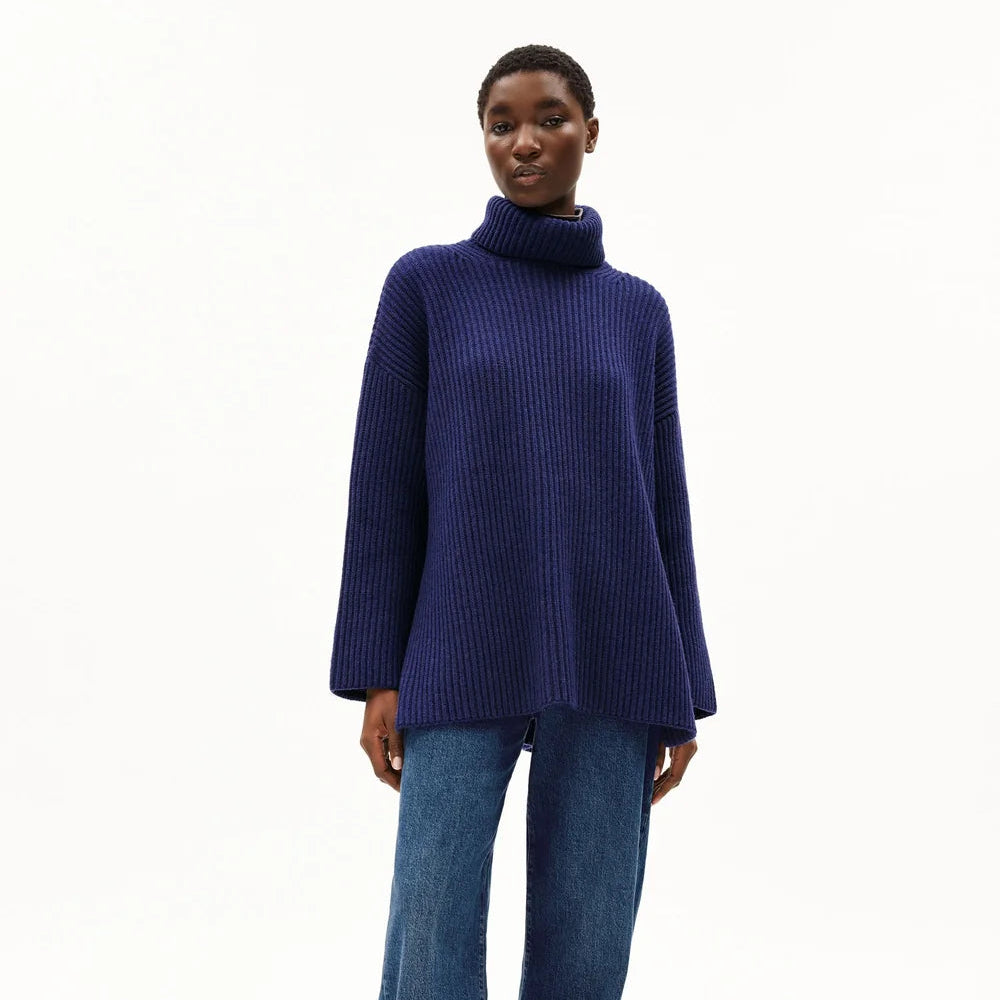
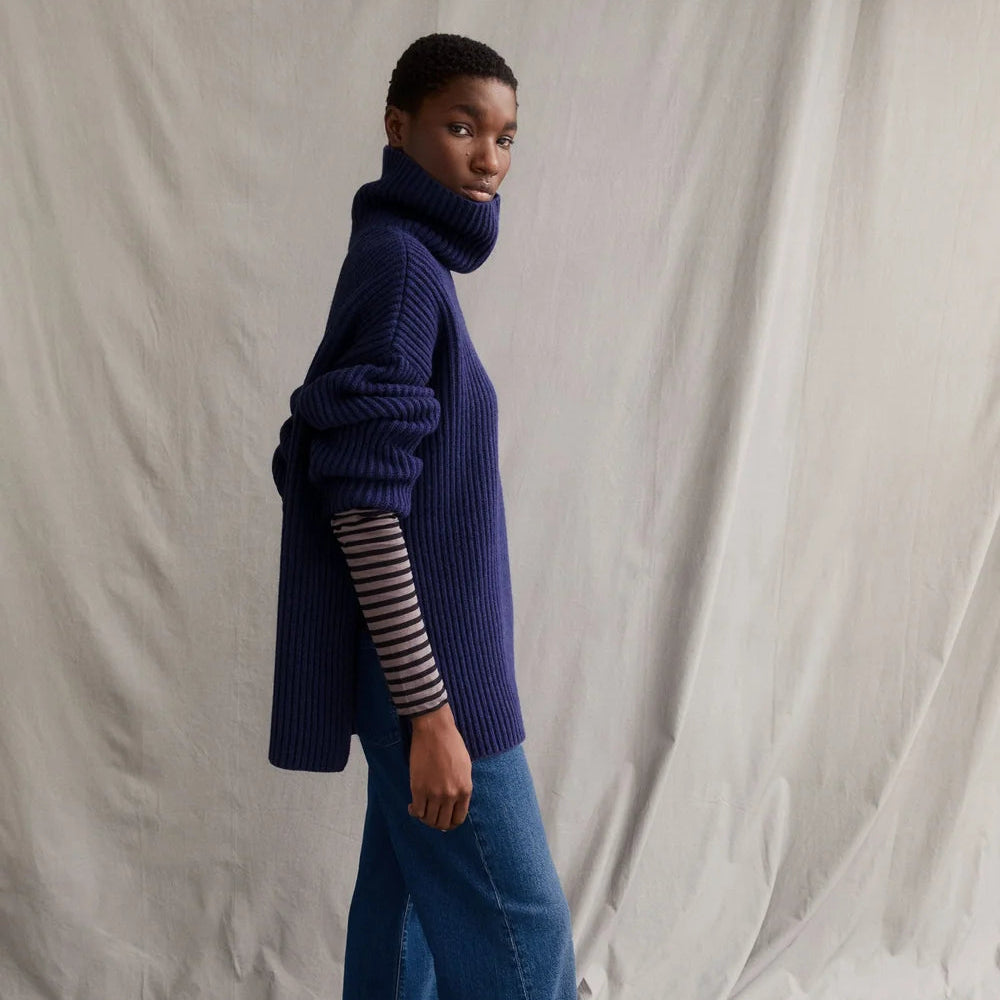
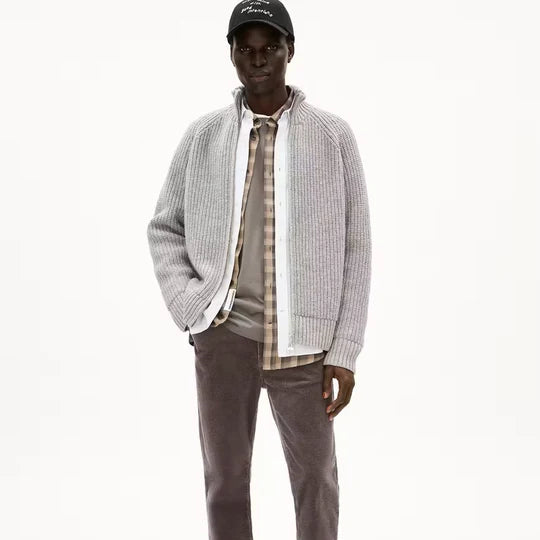
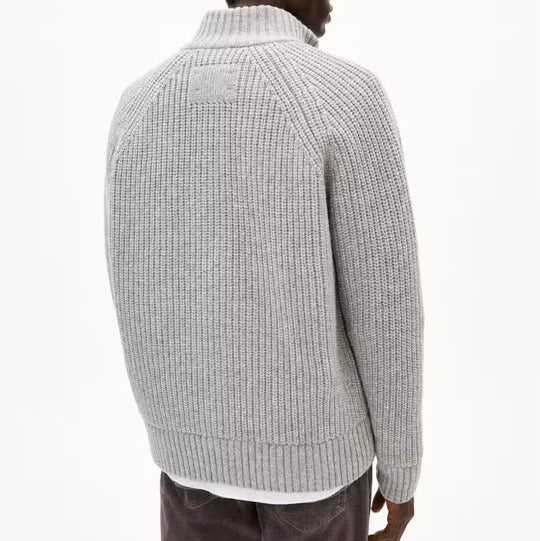
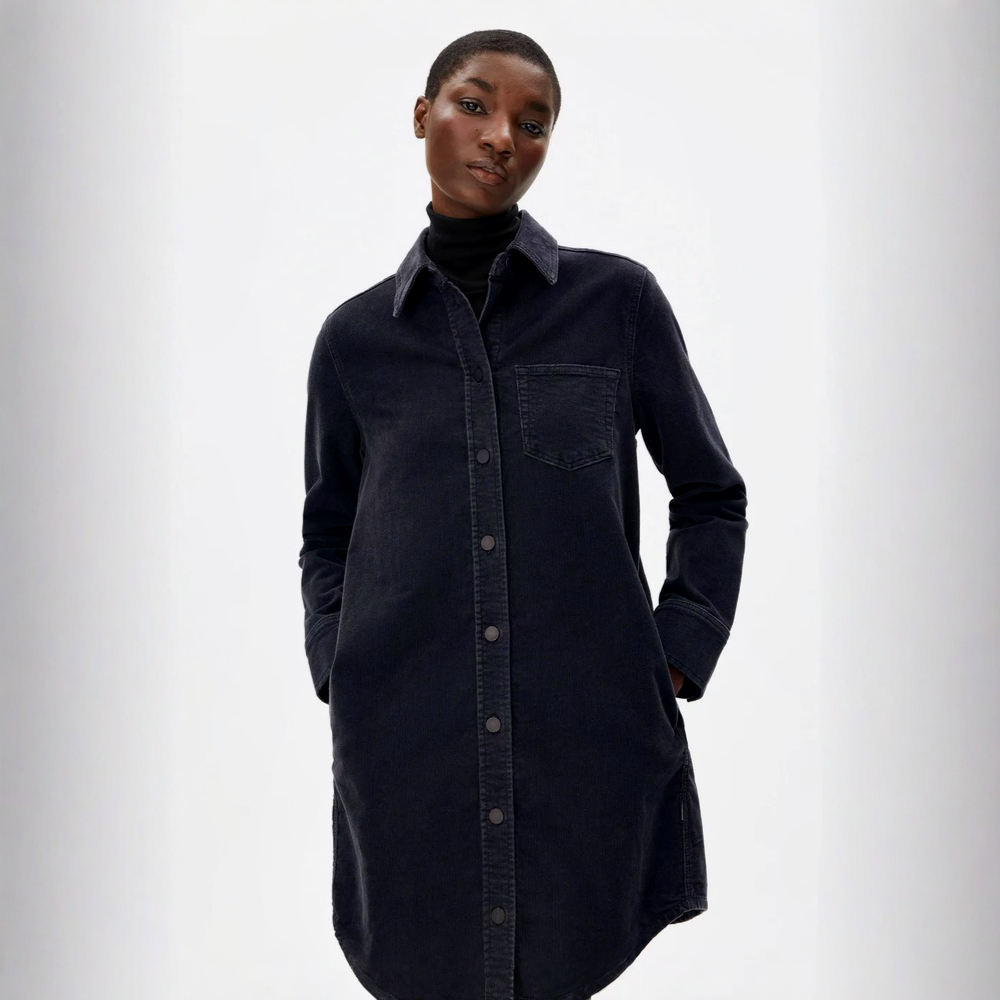
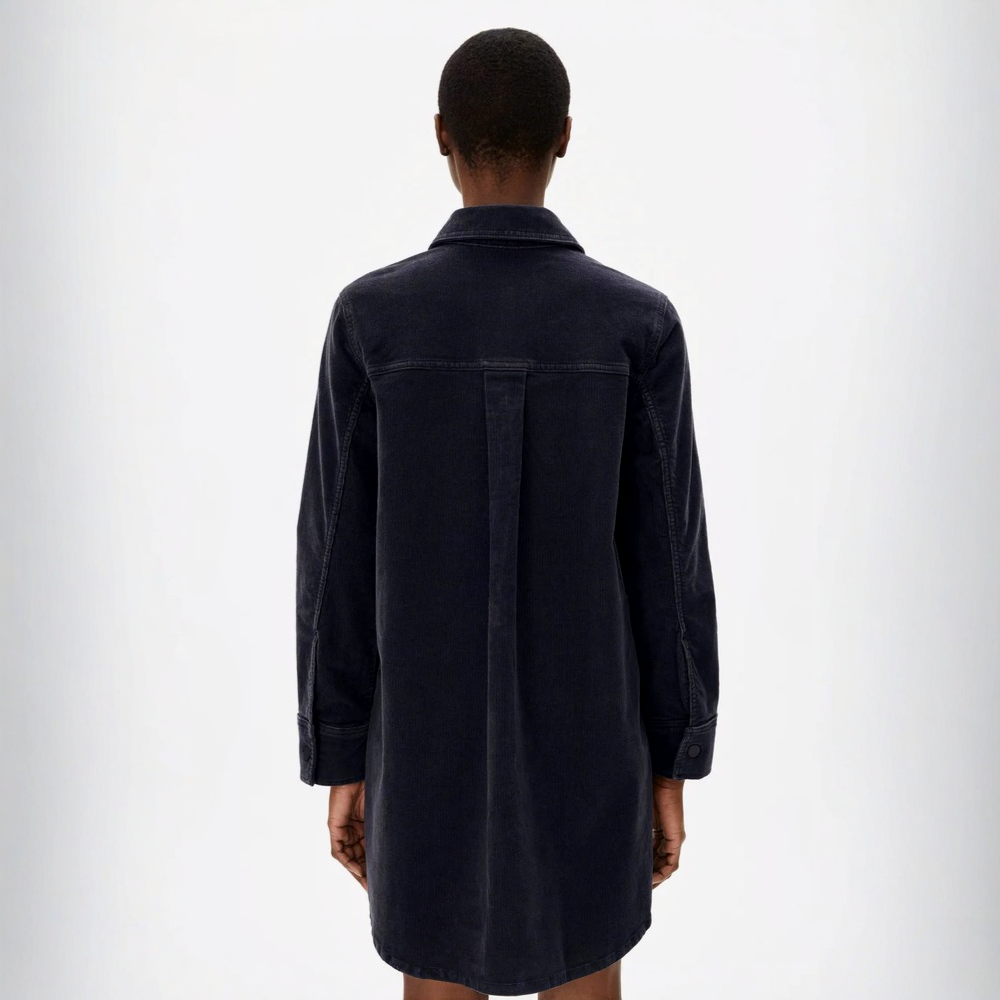
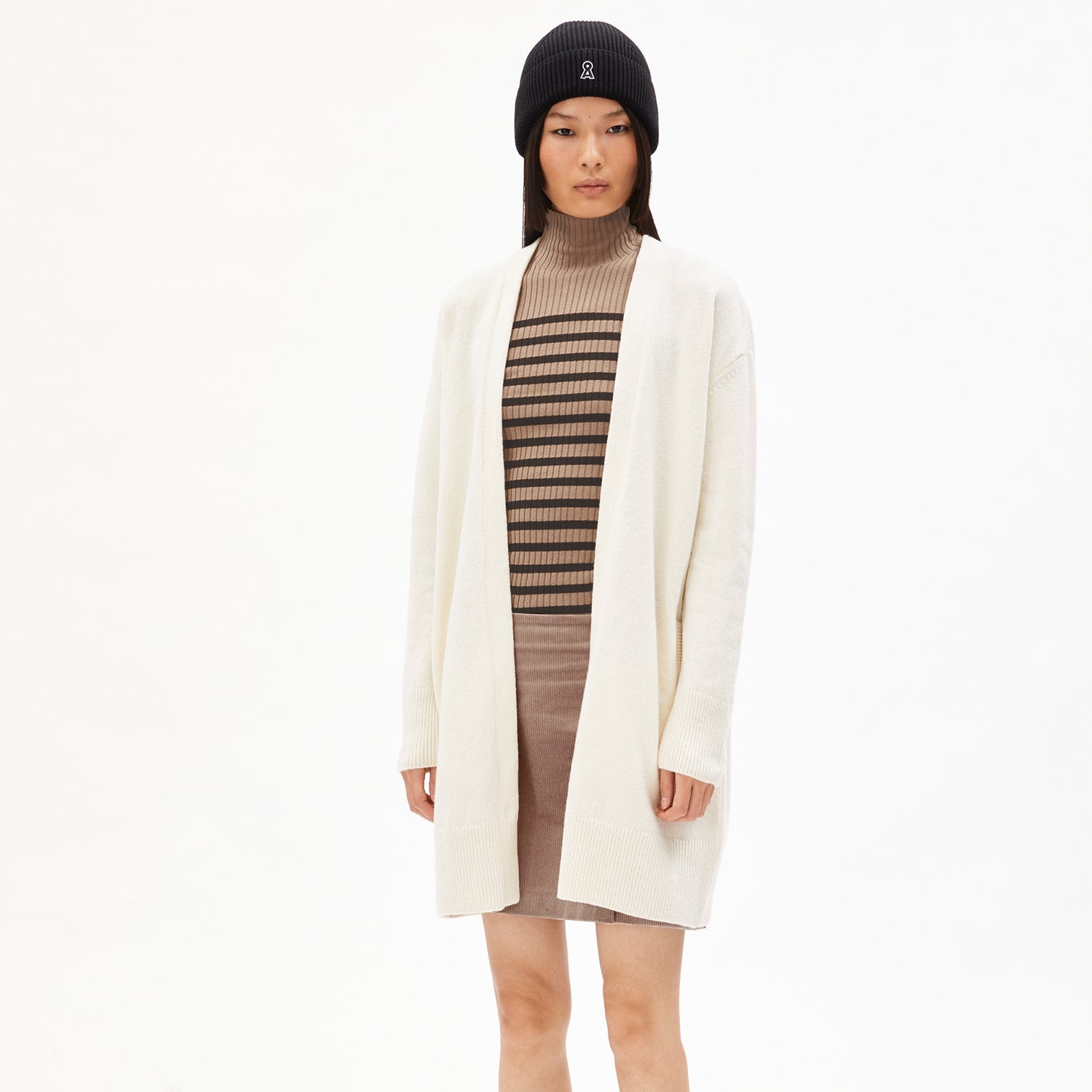
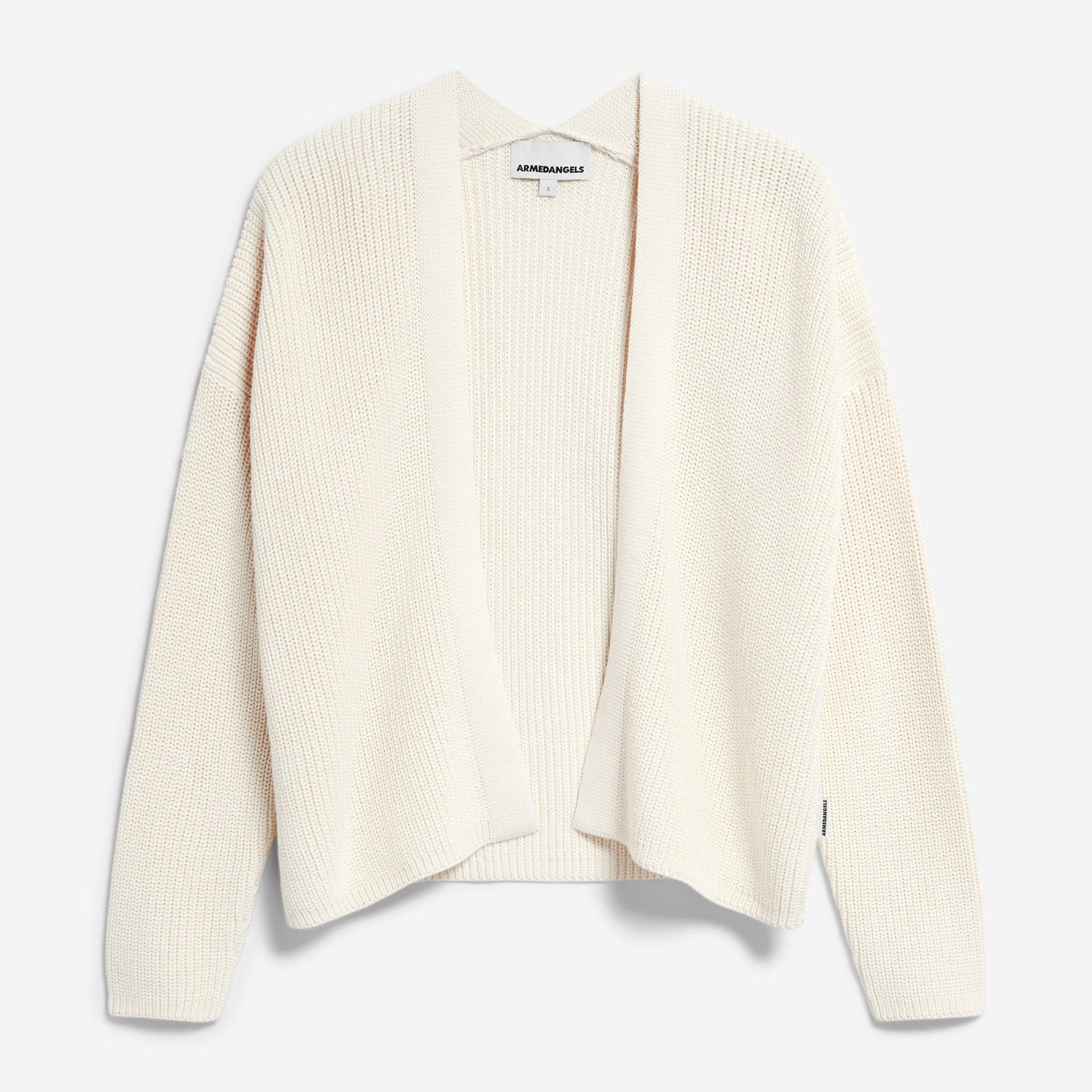
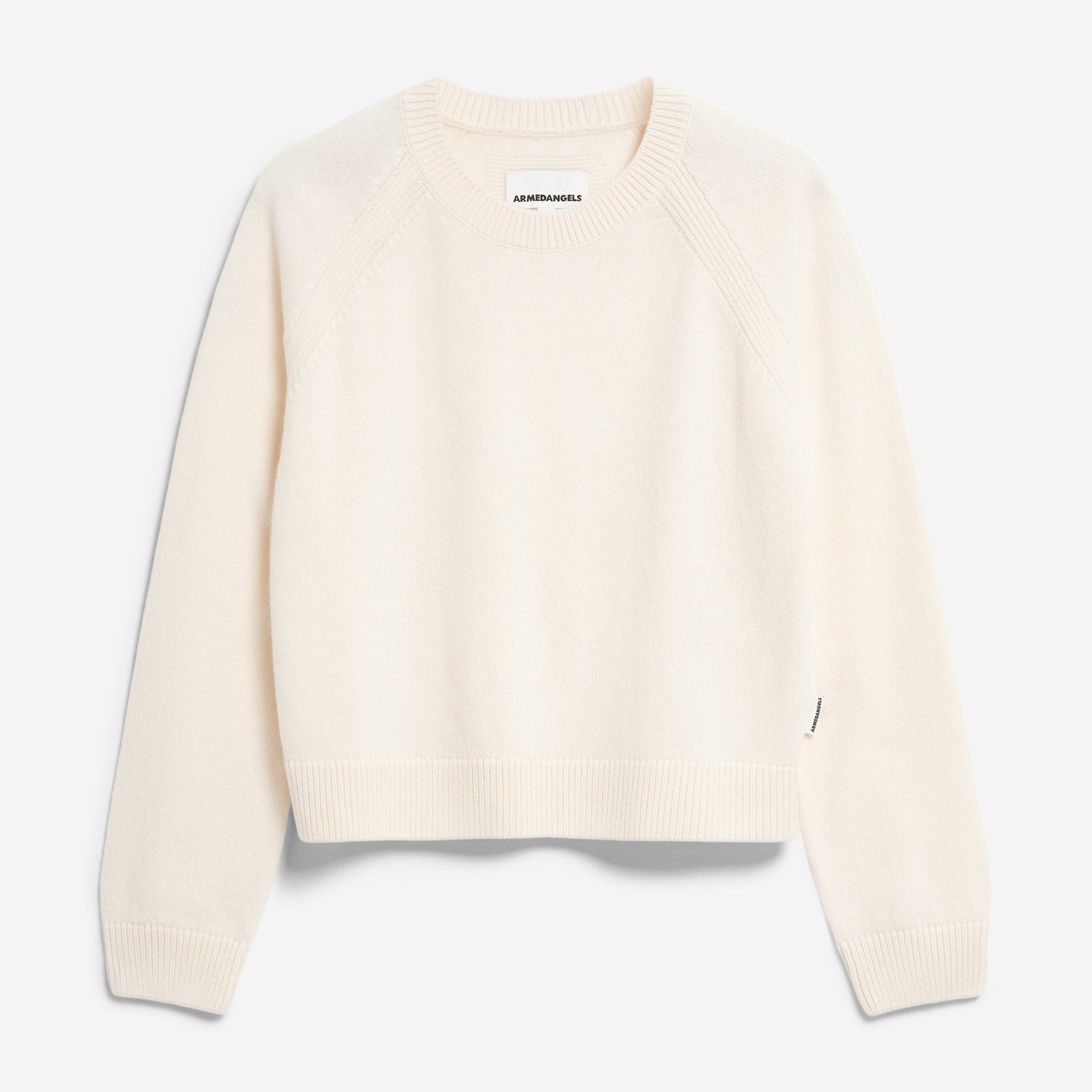
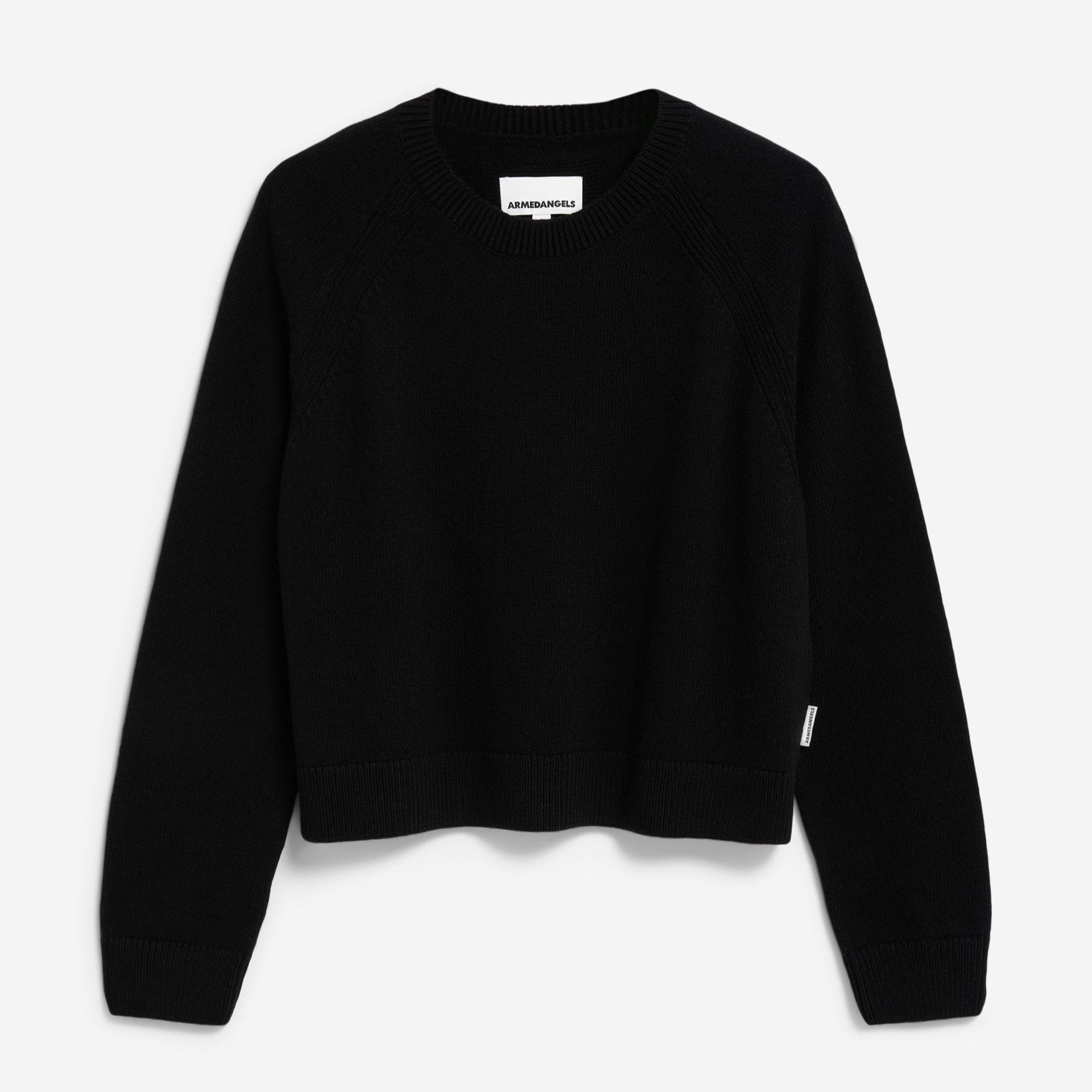
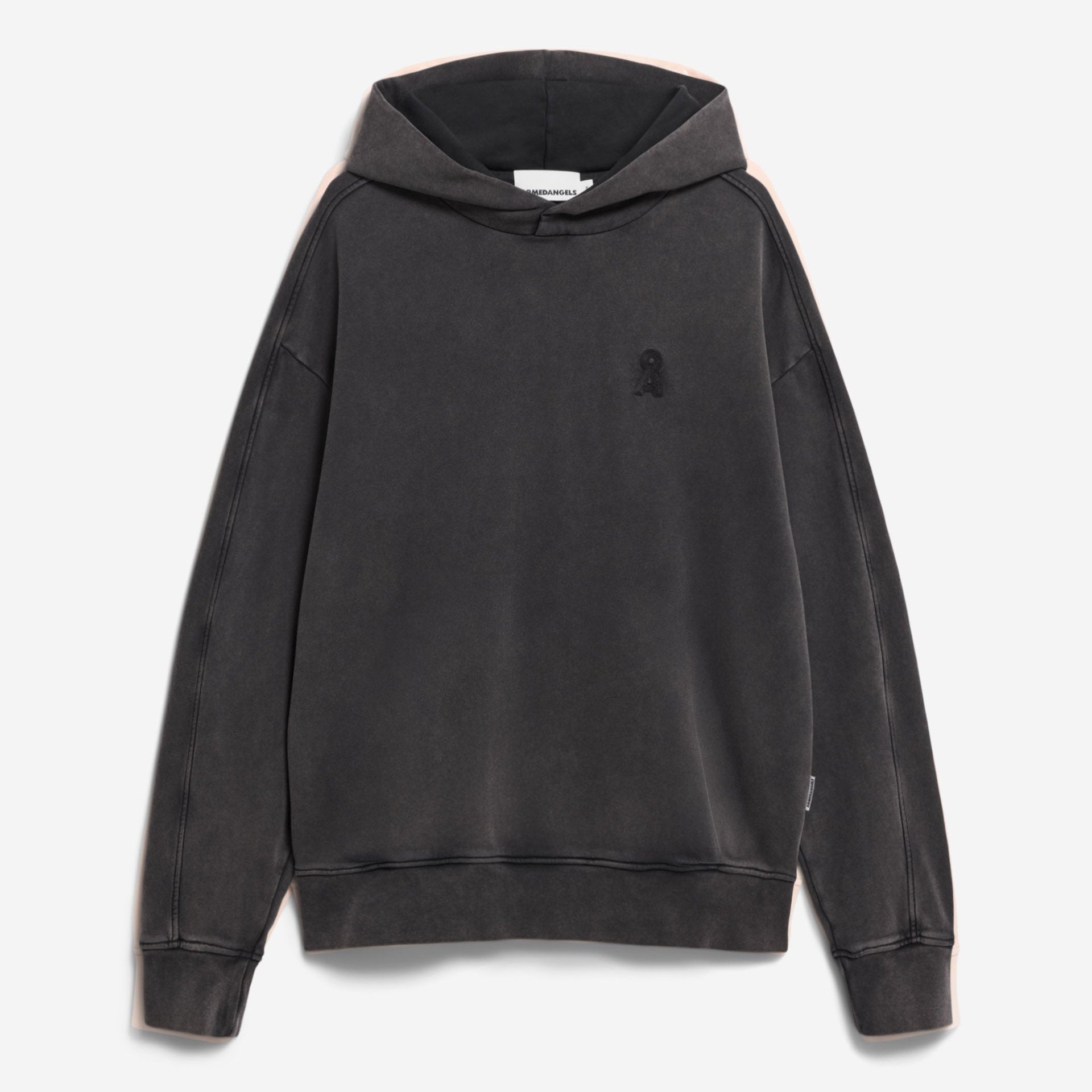
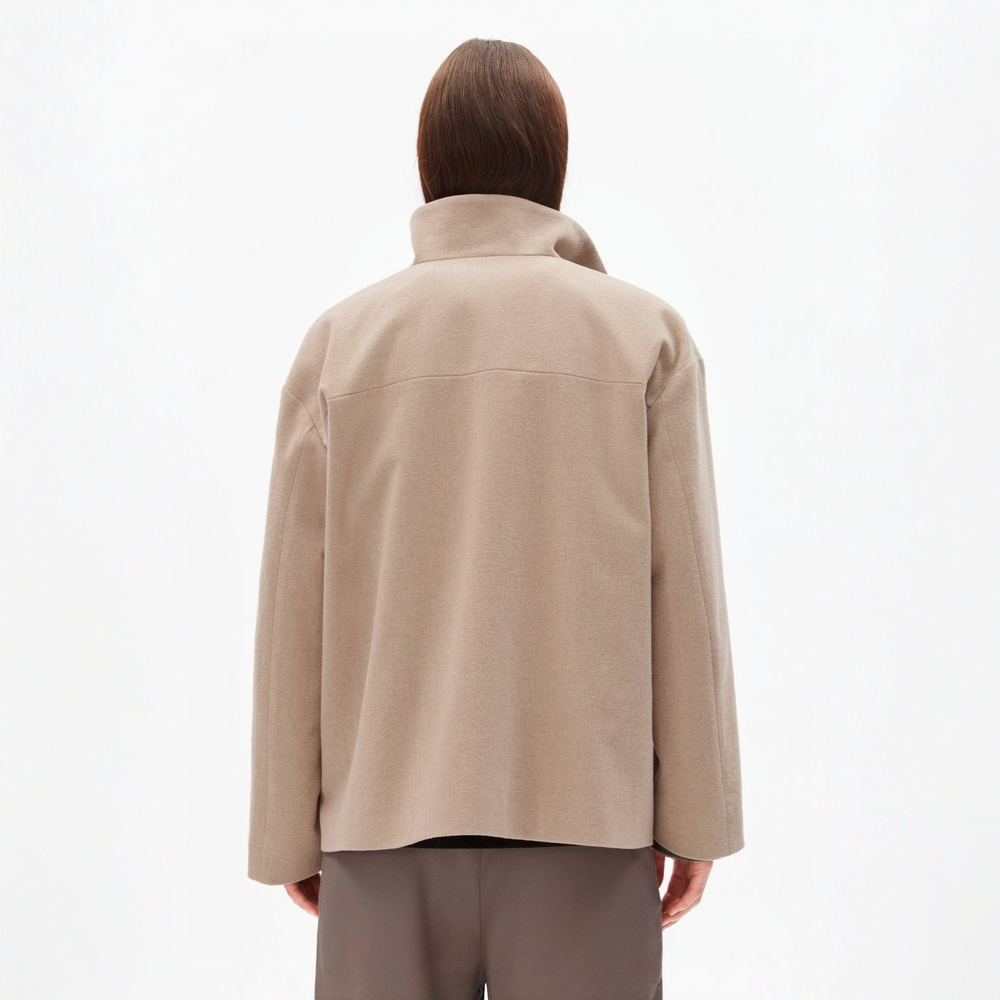
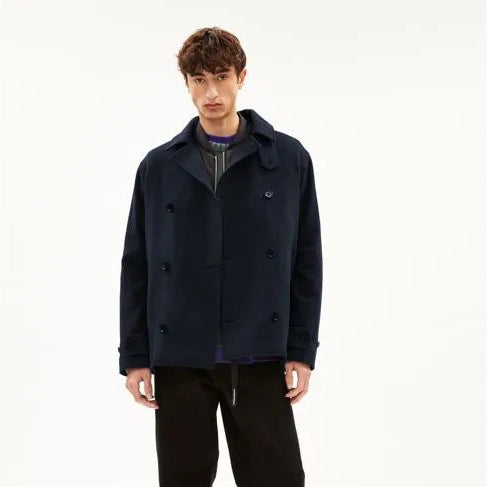
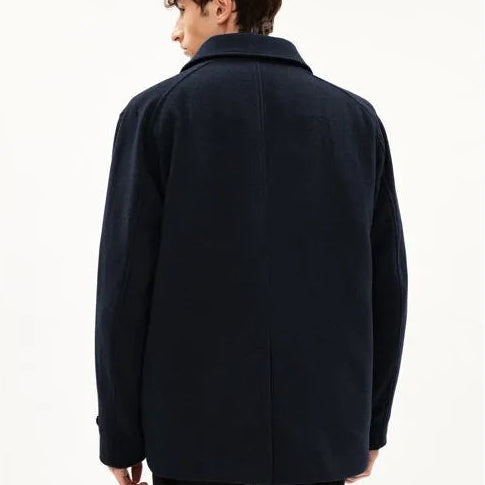
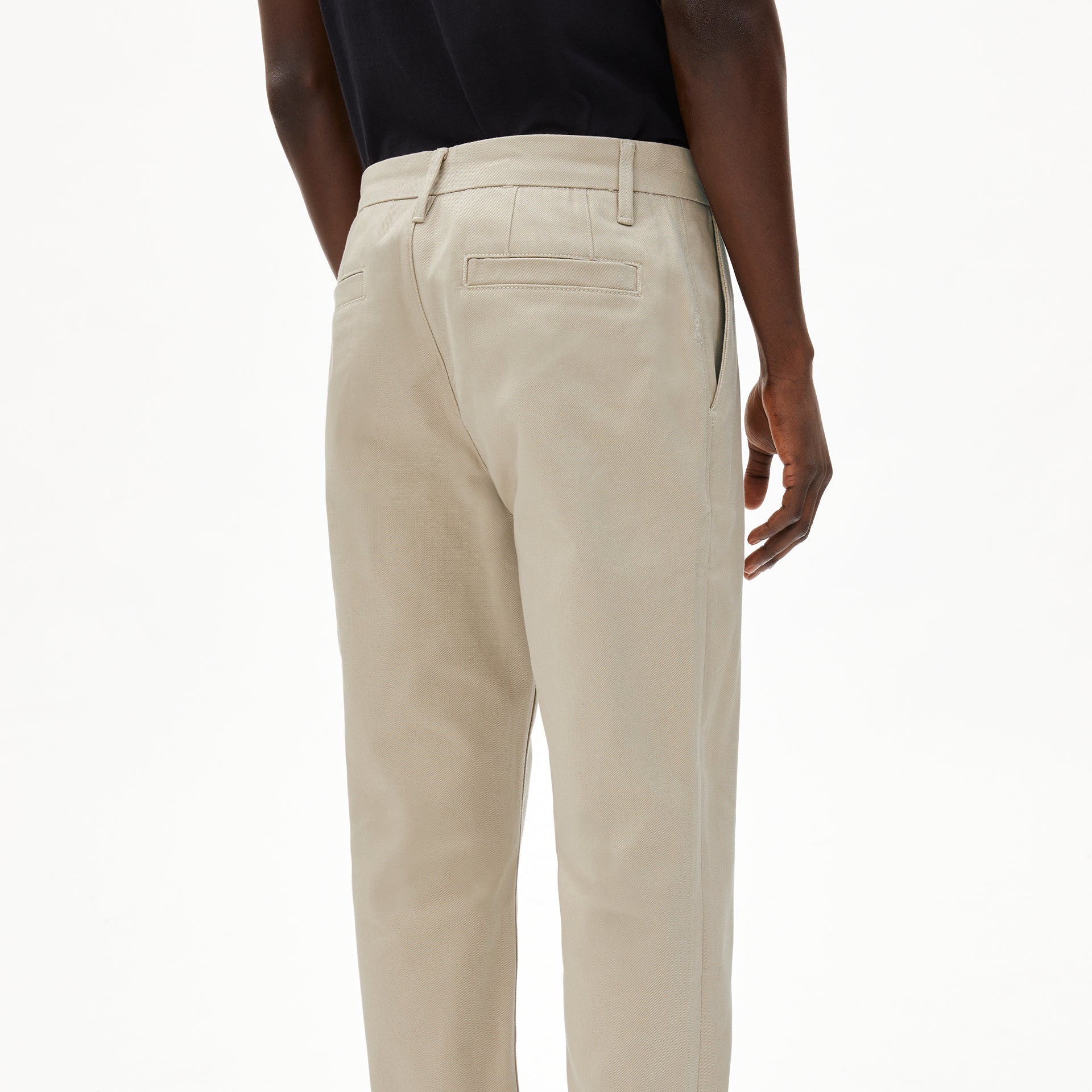
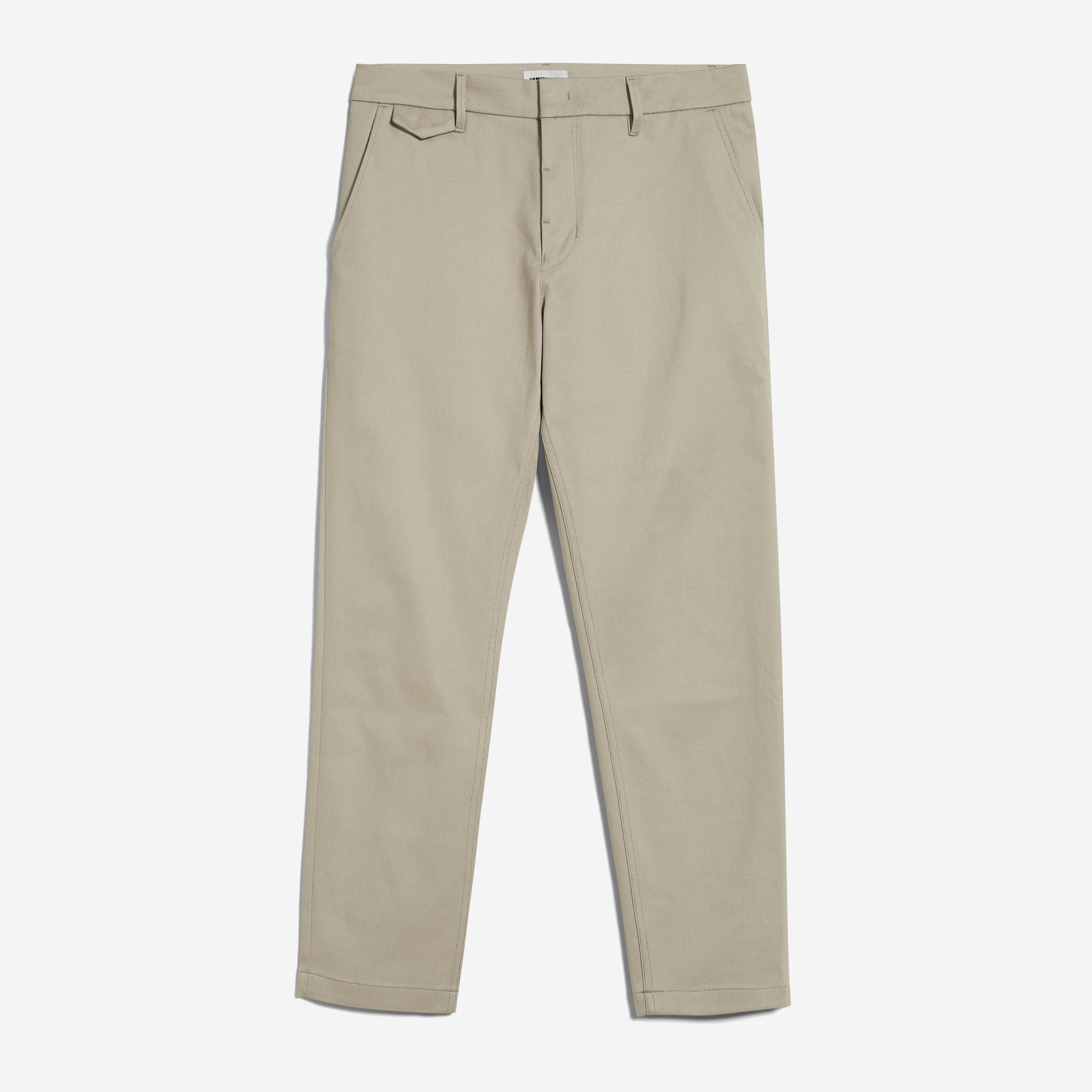
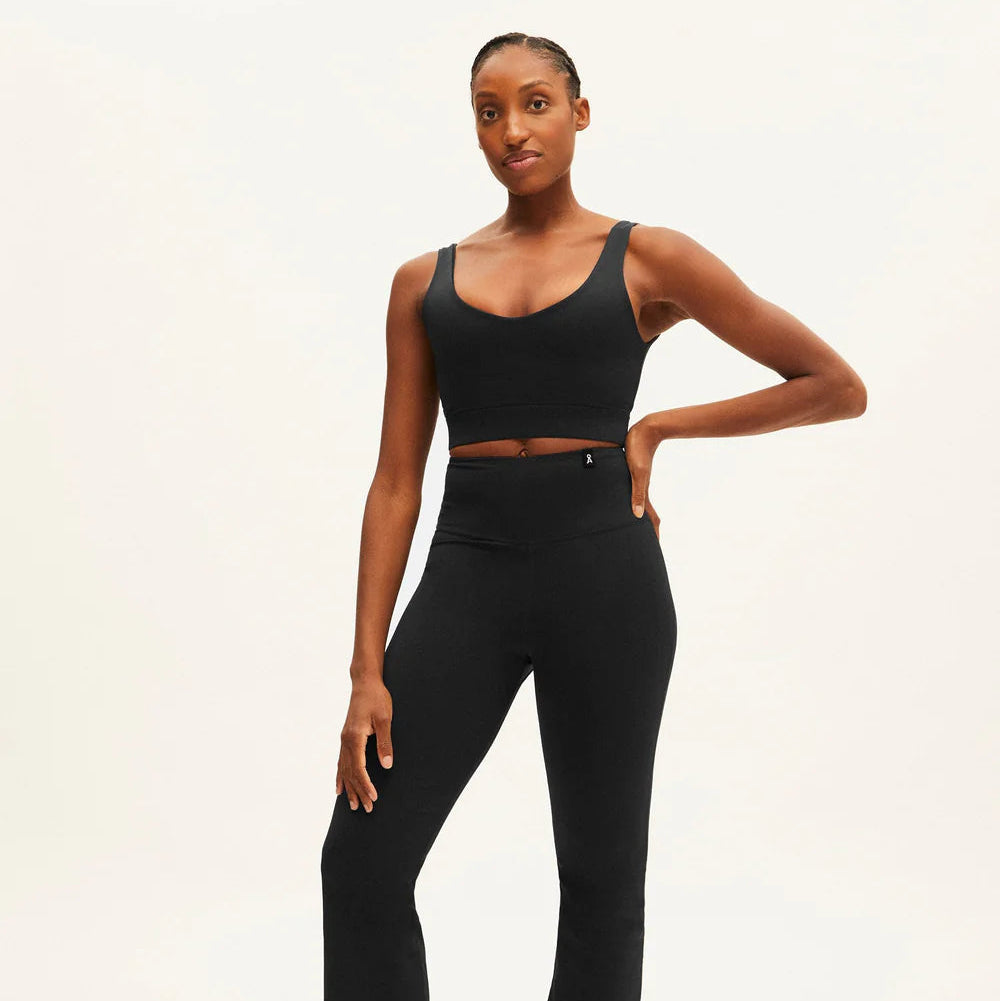
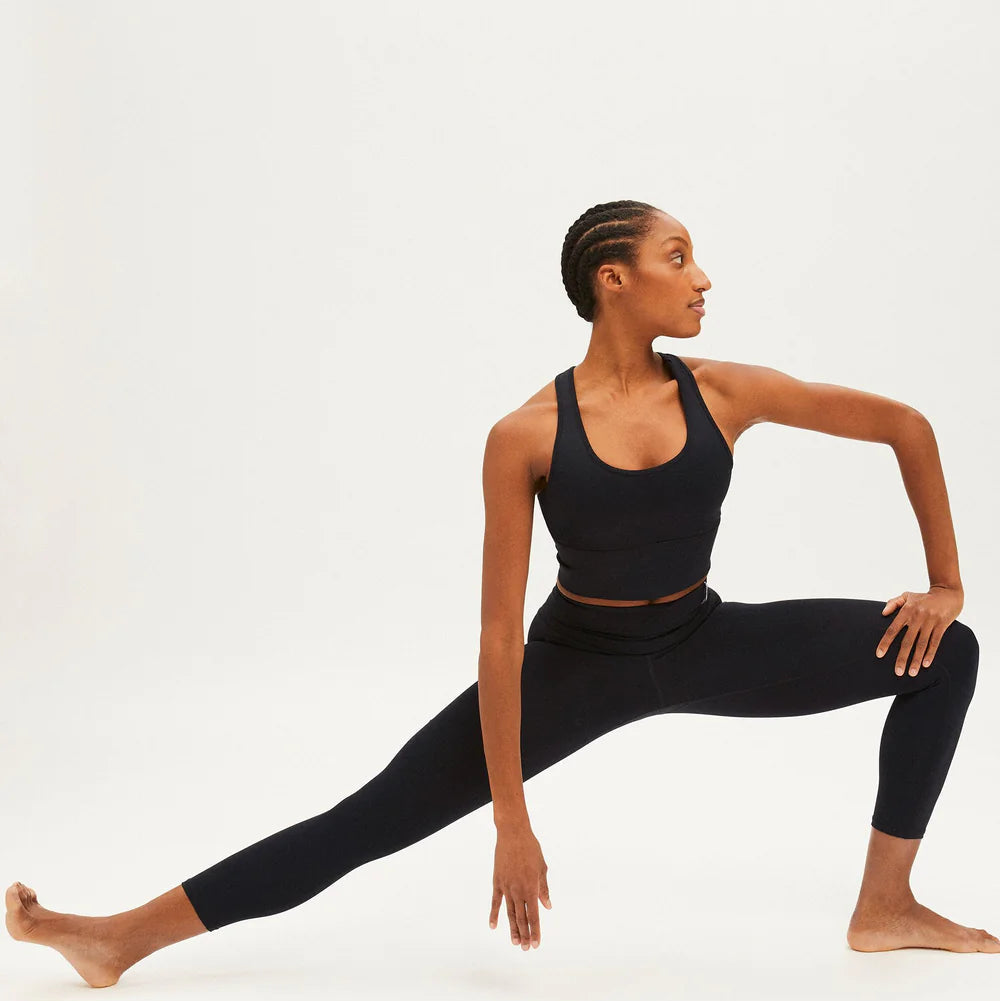
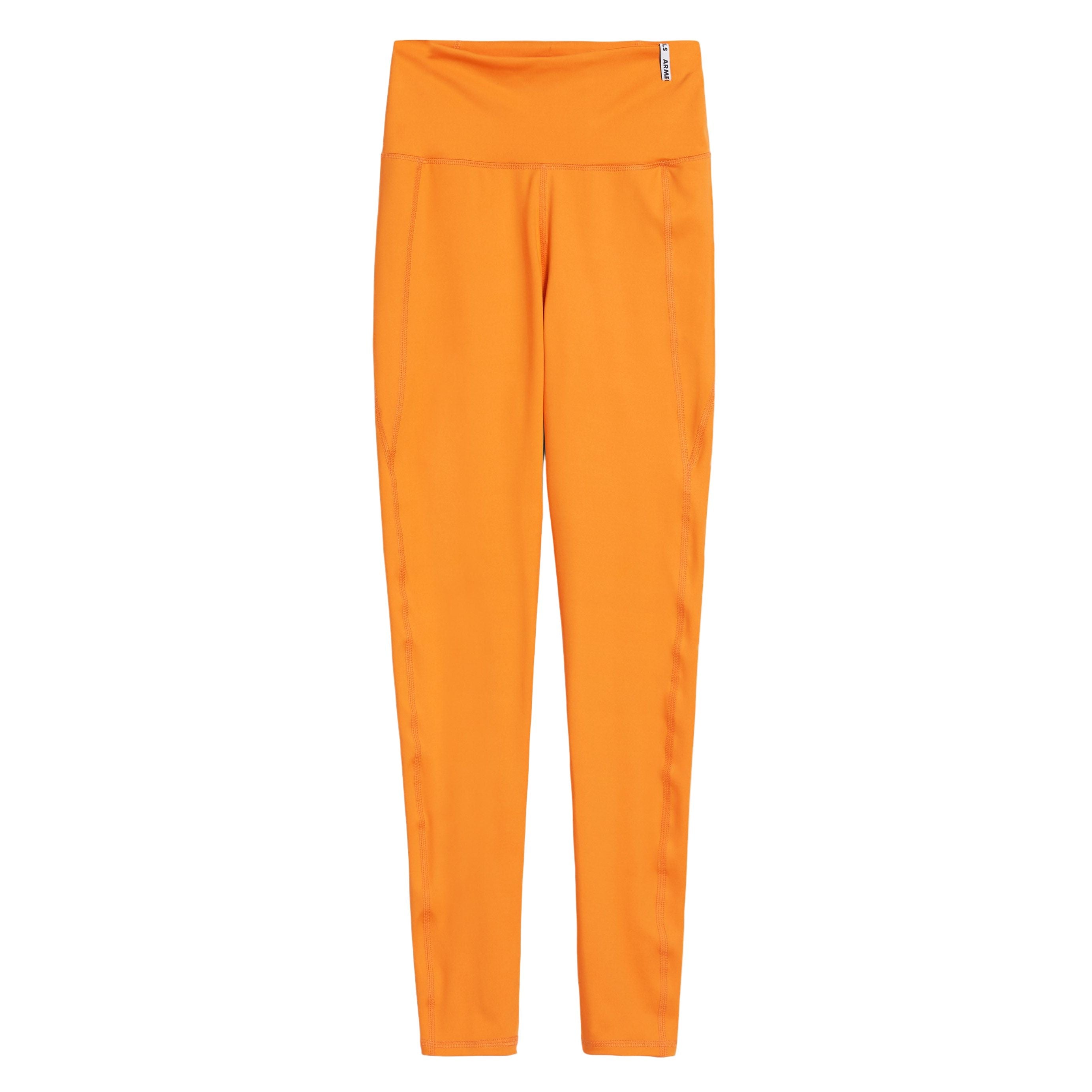
If you'd like to add the timeless basics from MELAWEAR to your wardrobe, you can find the described sample pieces in our shop!
We would therefore like to introduce MELAWEAR to you in more detail and were allowed to ask the founder, Henning Siedentopp, some questions.
MELAWEAR has been around for 6 years now. How did it all begin?
It all started with a sabbatical year during which I traveled through India and was captivated by the country and its many facets. It was there that I first encountered the topics of sustainable fashion, organic and fair trade cotton farming. When I then completed my master's degree in Lüneburg, the idea of founding a sustainable company focused on these areas continued to grow. While still studying, I traveled back to India , visited sustainable textile production facilities there, and found a producer whose approach perfectly matched my high sustainability standards.
And where does MELAWEAR stand today?
We started in 2014 with our first Fairtrade and GOTS-certified T-shirt collection. However, at that time we also recognized the backpack trend and developed the world's first fully certified sustainable backpack called "ansvar." This made us a household name in the sustainability scene. We're therefore delighted that the backpack has been nominated for the German Sustainability Award this year and is now available for purchase . Our product range has since expanded considerably, and new styles and models have been added gradually.
What does "sustainable quality" mean to you?
In short, sustainable quality for us means: high sustainability standards, high-quality materials and timeless design .What was the biggest obstacle you had to overcome so far in the production process?
Developing our sustainable sneaker was probably the biggest challenge , as we created the first shoe according to the GOTS and Fairtrade Cotton standards, and all materials and components had to meet these standards. The development took us approximately two years .
You work exclusively with Fairtrade organic cotton and natural rubber. Do you have any tips for consumers on how to maintain a critical overview in the jungle of quality and sustainability labels?
We recommend that customers look for sustainability labels . The Global Organic Textile Standard (GOTS) is one of the most comprehensive standards. However, since we believe it is strongest in the area of ecology, we have specifically opted for dual certification with a social standard. The Fairtrade Cotton Standard additionally ensures that cotton farmers are paid fairly and that social criteria are met during the garment production process.
Why do you avoid using blended fibers in the production of your textiles?
We use 100% organic cotton for all our textiles. Cotton is a natural product and, unlike polyester, does not produce microplastic particles in the form of tiny fibers that are shed during washing. Blended fibers are also often much more difficult to recycle .
We received some MELAWEAR prototypes for our Imperfect shop. Could you explain in more detail what these T-shirts are all about?
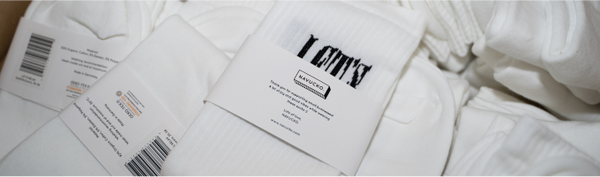
The textiles you find at Mit Ecken und Kanten are our trade fair samples , produced under fair conditions in India by our manufacturer Purecotz. The only difference from the originals is the fabrics, which are not our 100% Fairtrade and GOTS certified fabrics. We have extra cotton fabrics produced for each collection, and these are usually not ready by the time of the trade fairs.Finally, we highly recommend the podcast STEP INTO THE FUTURE by MELAWEAR . In this podcast , the sustainable fashion label shares firsthand insights into everything you need to know about sustainability in the fashion industry. Extremely interesting and highly recommended!
In episode #2, founder Henning Siedentopp explains, for example, why MELAWEAR produces in India and not in Europe.
If you'd like to add the timeless basics from MELAWEAR to your wardrobe, you can find the described sample pieces in our shop!














Leave a comment
This site is protected by hCaptcha and the hCaptcha Privacy Policy and Terms of Service apply.