







Opportunity. Together for a sustainable future!
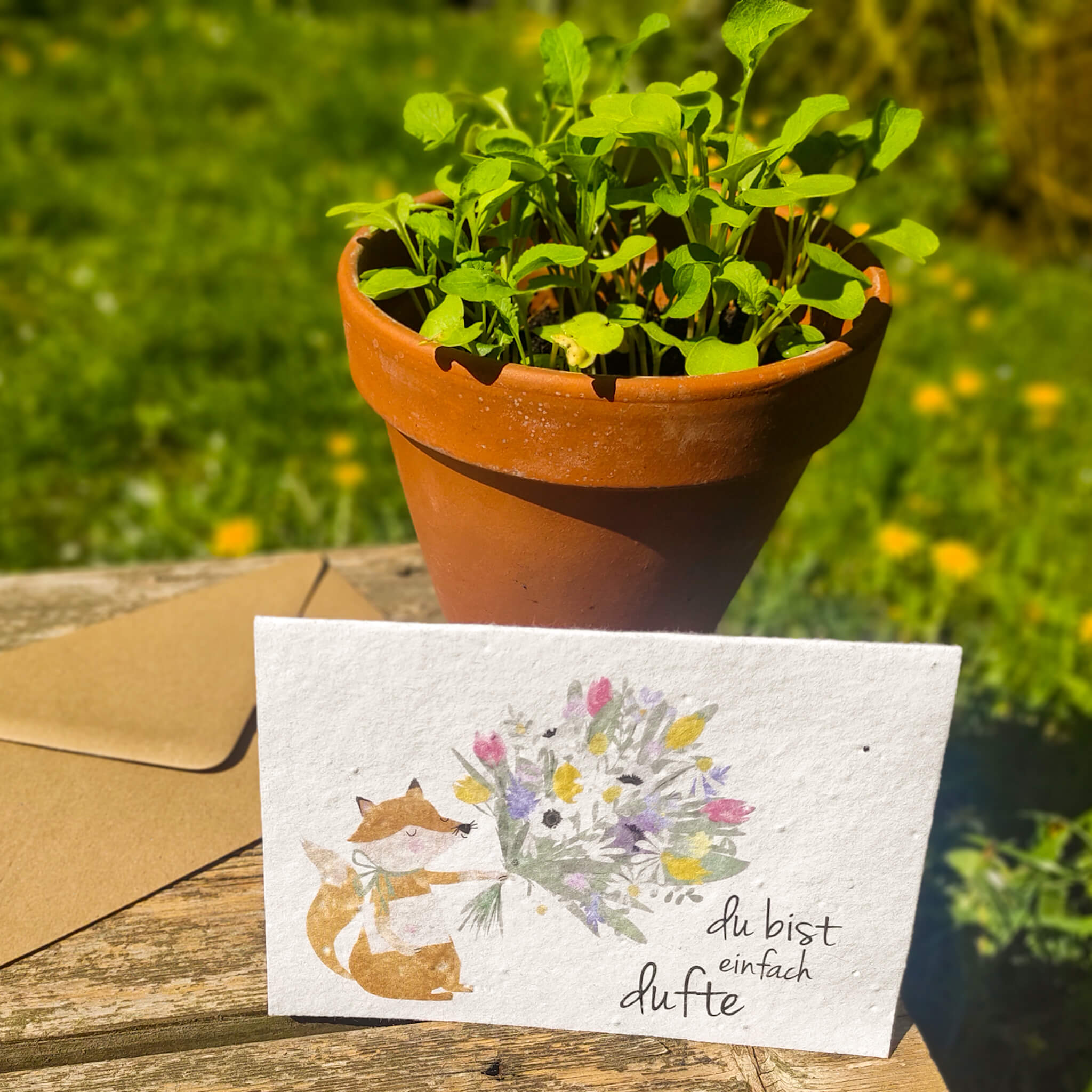
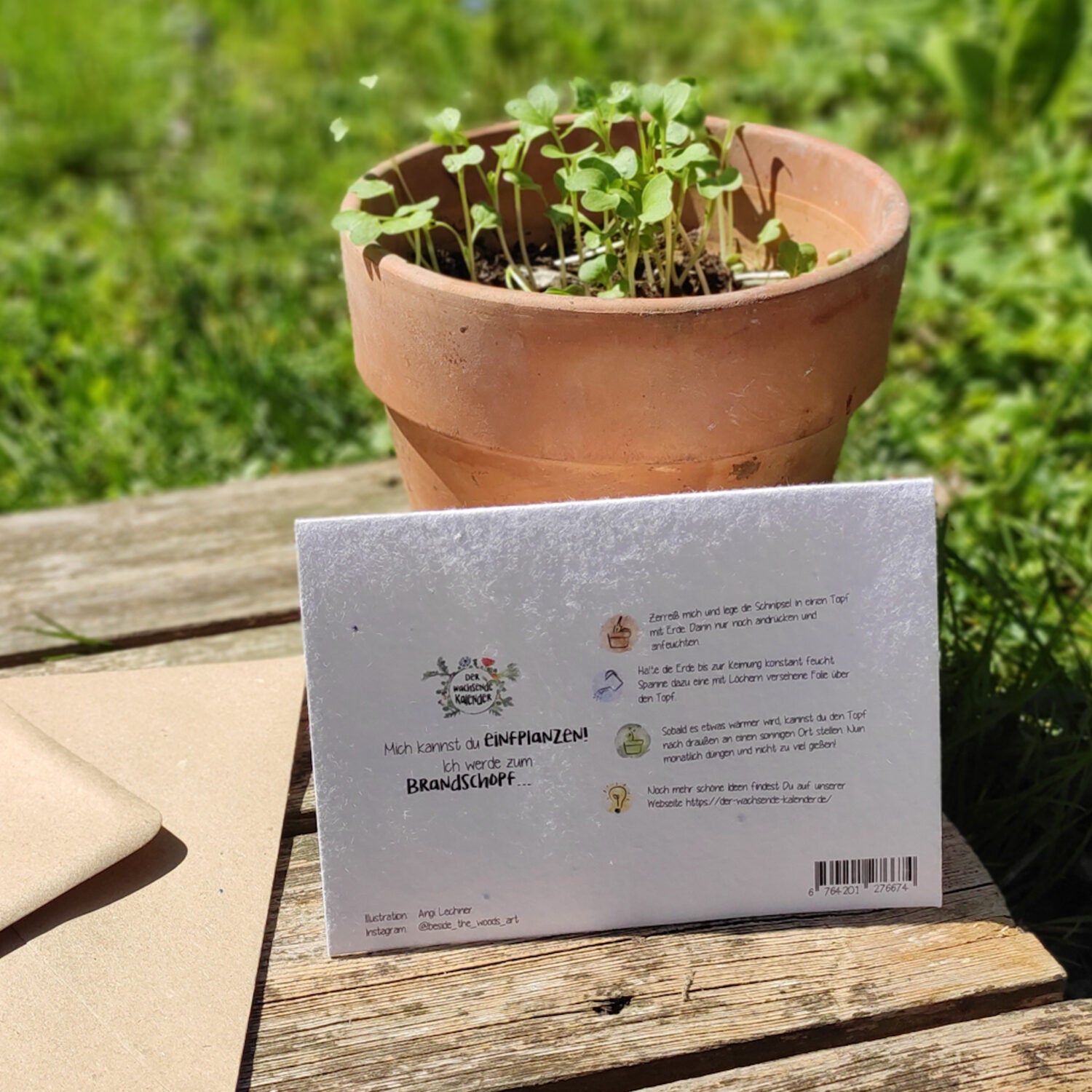
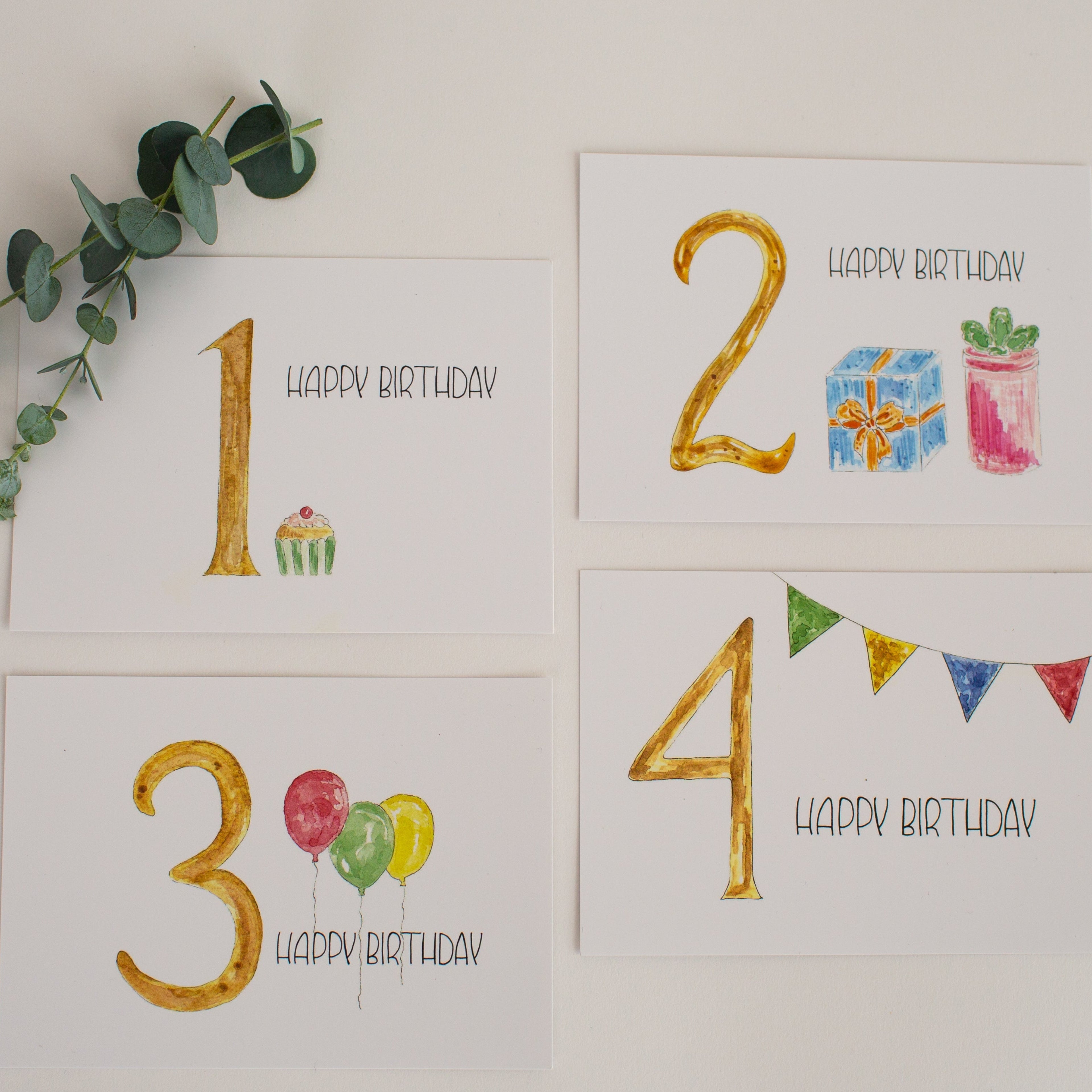
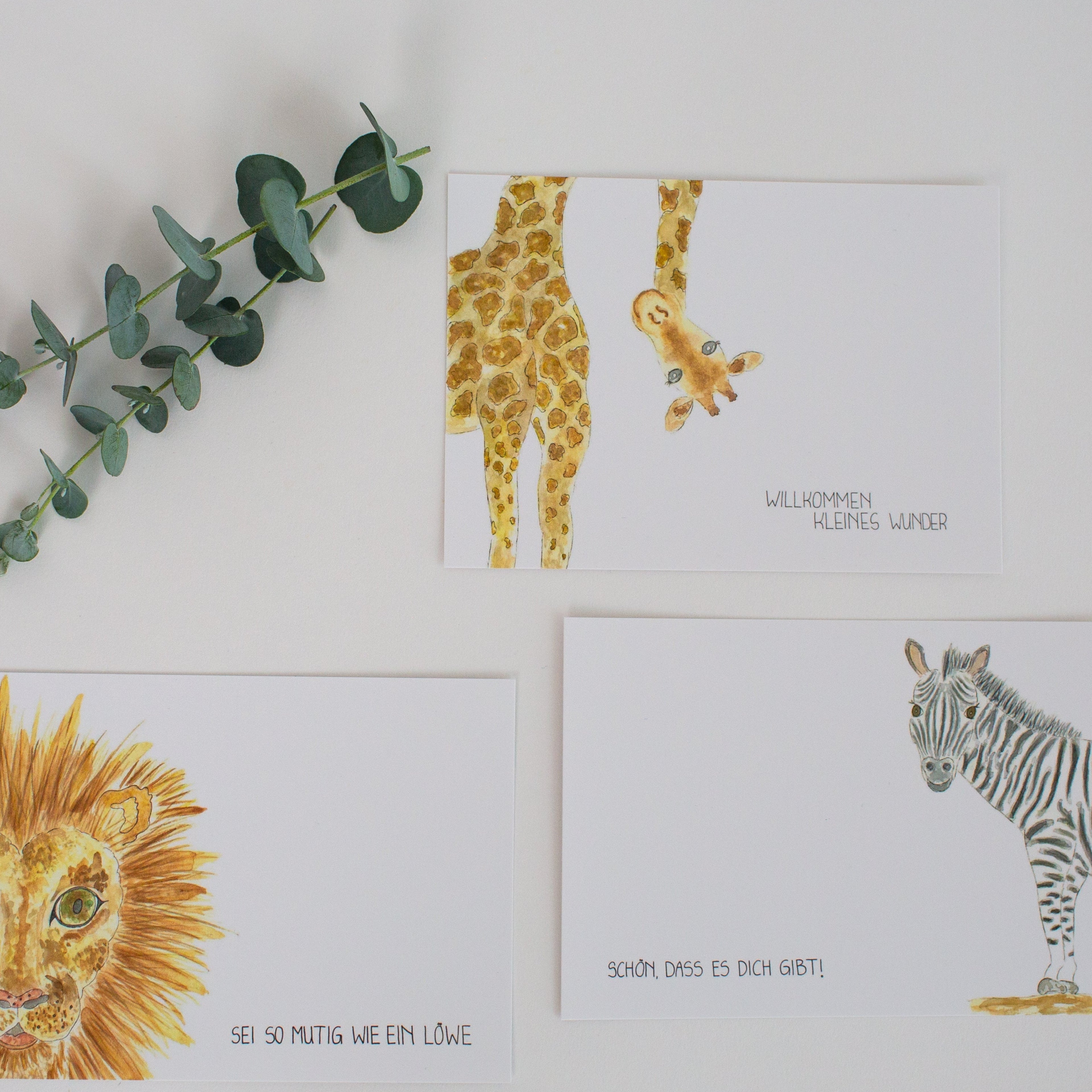
The Growing Calendar pop-up card "You are simply awesome"
Tax included. Shipping calculated at checkout
Why customers choose us
Why customers choose us
 Free shipping on orders over €69
 30-day return policy
 Recycled packaging material
 Climate-neutral shipping with DHL GoGreen
 Purchase on account

Sustainability, quality , and transparency are our top priorities. Our warehouse team, led by Franzi and Sarah, inspects every product to ensure it still (im)perfectly fulfills its purpose, so you can confidently give products a second chance.
Description
Description
Celosia, also known as cockle of the neck, can even be used as a delicious garnish for food and drinks. This exotic plant from the tropics grows to between 30 and 80 centimeters tall and is a true all-rounder. It thrives as a houseplant, on the balcony, or in the garden bed.
Planting:
The best time to sow is in March; as they are light-dependent germinators, you only need to press them down lightly. In a homemade greenhouse, the seeds should be kept moist at 20-23 degrees Celsius. After 8 to 14 days, the beautiful Celosia will germinate and can be separated once the seedlings have at least two pairs of leaves.
Location:
The location should be sunny, warm, and sheltered, but not in the direct midday sun. Celosia thrives best under a roof overhang, where it is not too exposed to rain.
Care:
In the garden bed, fertilize them organically every four weeks; in pots, every two weeks. Only water when the soil is quite dry! It's best to remove wilted flower heads immediately so that new buds will soon appear.
Celosia plants often come back the following year. To encourage this, place them indoors in autumn, either in a warm and bright location or a cool and dark one, and then water them less frequently depending on the conditions.
Why is this product included in the "With Edges and Corners" category?
The cards may have minor imperfections in the paper, but these are not particularly noticeable.
Who is behind the product?
The Growing Calendar is a Nuremberg-based startup that's fed up with our throwaway culture. Their calendars and maps are designed to have long-term, sustainable use and make gardening accessible to everyone.
Product Information:
Product Information:
Best before date:
Best before date:
Facts:
Facts:
Why is this product included in the "Mit Ecken und Kanten" category?
Why is this product included in the "Mit Ecken und Kanten" category?
Who is behind the product?
Who is behind the product?
Product safety
Product safety
You might like this
We provide information and are transparent
Our mission is to dispel the outdated image of imperfect B- and C-grade goods and inspire and motivate greater appreciation for these unique products. As an online shop, we don't just want to sell products; we consciously and transparently explain the flaws of each product under the heading "Why is this product included in 'With Imperfections'?"

We are not perfect
We want to show what sustainable consumption can look like. We lead by example, draw attention to companies that are following our lead, and inspire other brands to take a sustainable path.

We want to do better
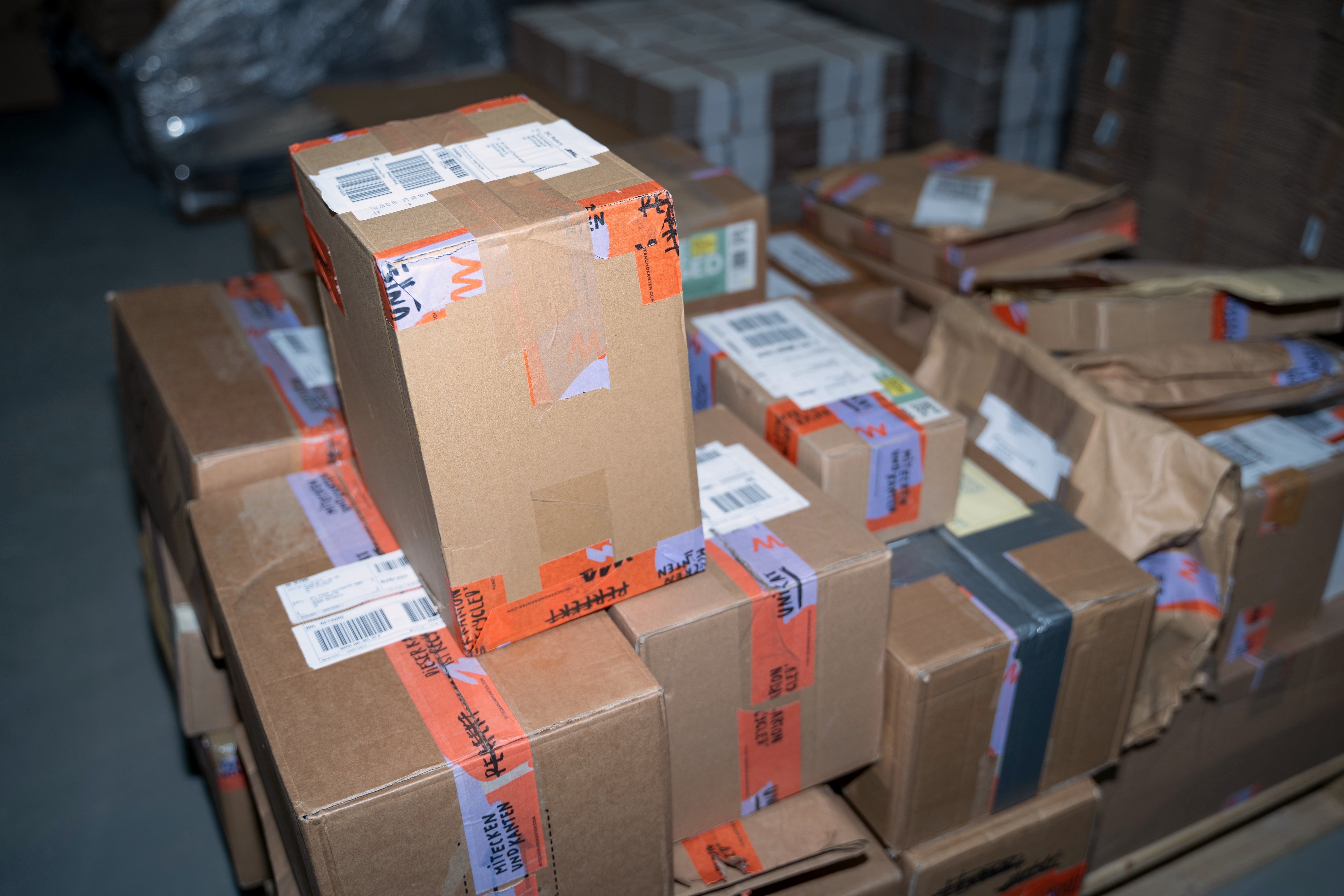
Conserving resources is an essential part of our daily work as an online shop and of the entire core concept of Mit Ecken und Kanten. For example, we reuse cardboard boxes, as they still perfectly serve their purpose and don't need to be thrown away after just one use.