
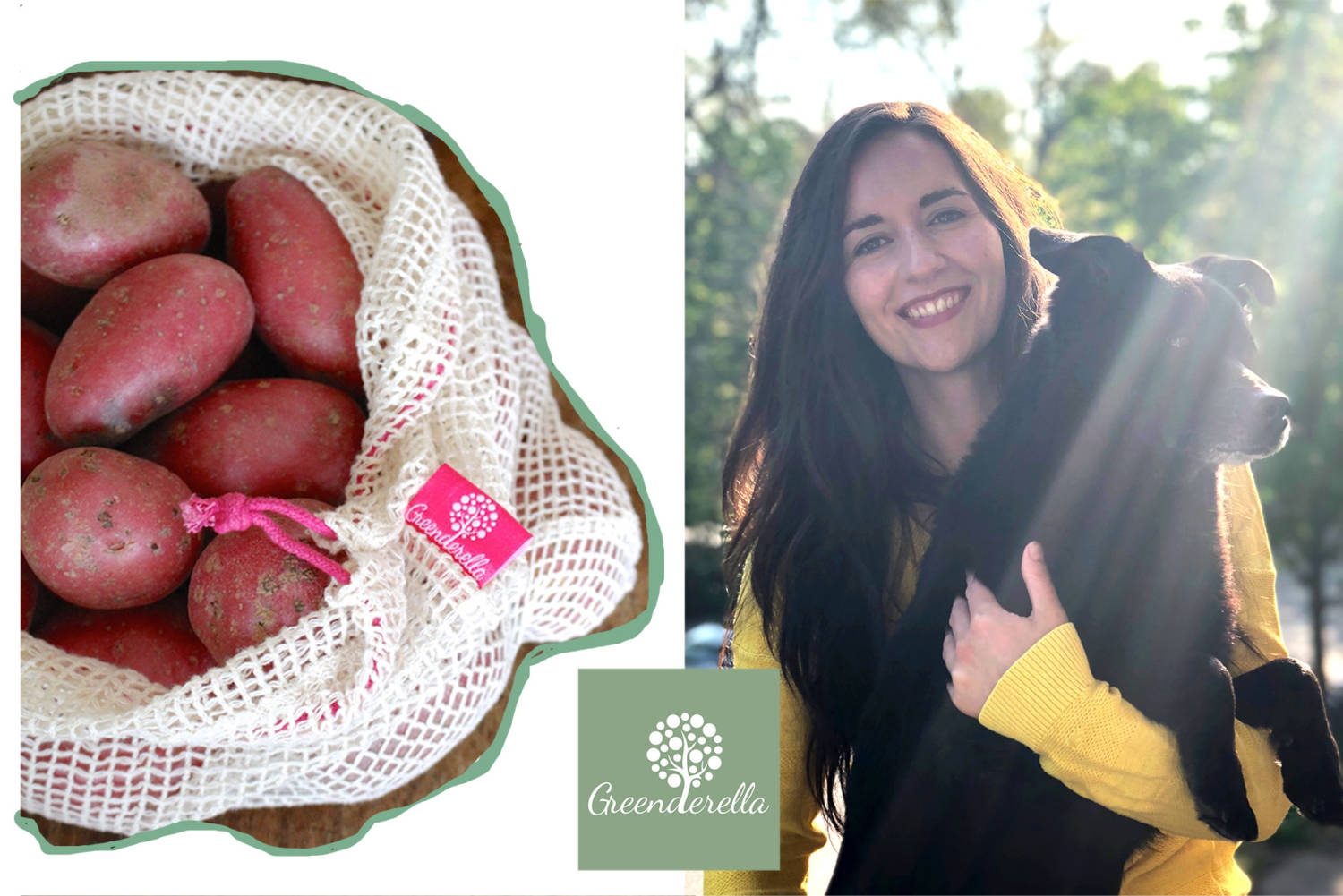
"Impossible" isn't in Franziska Schleiter's vocabulary – true to this motto, she founded her brand Greenderella to make a plastic-free life easier for everyone. This led to her idea of selling organic cotton produce bags. In this interview, she tells us why a plastic-free life is often not that difficult and shares her tips for beginners.
I've been running a blog called Greenderella for quite some time now, where I write about various sustainability topics. One day I saw the documentary "Plastic Planet" and decided to make it my New Year's resolution for 2013 to completely eliminate plastic. This wasn't easy at first, and one product I really missed was reusable produce bags – at that time, there really wasn't an alternative available here. That's when the idea was born to bring such a product to the German market. Although I was a complete career changer with my musicology degree, the mission was paramount, and so I turned Greenderella into a brand and started selling my own bags.
This was very important to me from the beginning, because I want to be able to fully stand behind my products. The bags are therefore made in a small Indian factory from GOTS-certified organic cotton. The certification also guarantees that the entire production chain meets environmental and social standards.
You can use them both in the supermarket and at the market for loose fruit and vegetables. There are no problems at the checkout – quite the opposite, I often get compliments on them! And since the bags are made of mesh fabric, you can easily see what's inside. They're also great for storing food.
Since I started implementing my New Year's resolution, I've largely avoided plastic and unnecessary waste. It usually works really well, but sometimes it's a bit more difficult, especially when I'm short on time. But once you know the alternatives, it becomes easier and easier to integrate zero waste into everyday life. For groceries, the best place to do this is at the farmers' market and in zero-waste shops.
I'm currently working with my boyfriend on a new website that will allow me to manage everything under one roof: the blog, the products, and a new YouTube channel I'll be creating with a friend. With Greenderella, I want to create a platform for everyone interested in a sustainable lifestyle. And of course, I really hope I can inspire many more people to stop using plastic bags. New products are also in the works. As a small business (which I'm currently running on my own), everything takes time, but they say you can reach your goal with small steps! ;-)
Tip 1: Take it slow
Zero waste can be quite overwhelming at first, because you suddenly realize how much plastic actually surrounds you. You don't have to throw everything out and buy new things right away. Use things up and replace them little by little with more sustainable alternatives. This way, you also have enough time to look around and find the right products for you.
Tip 2: Equip yourself with everyday basics
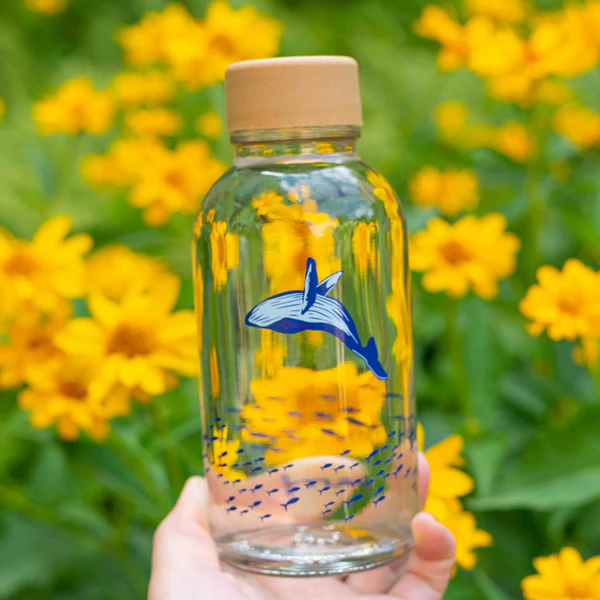
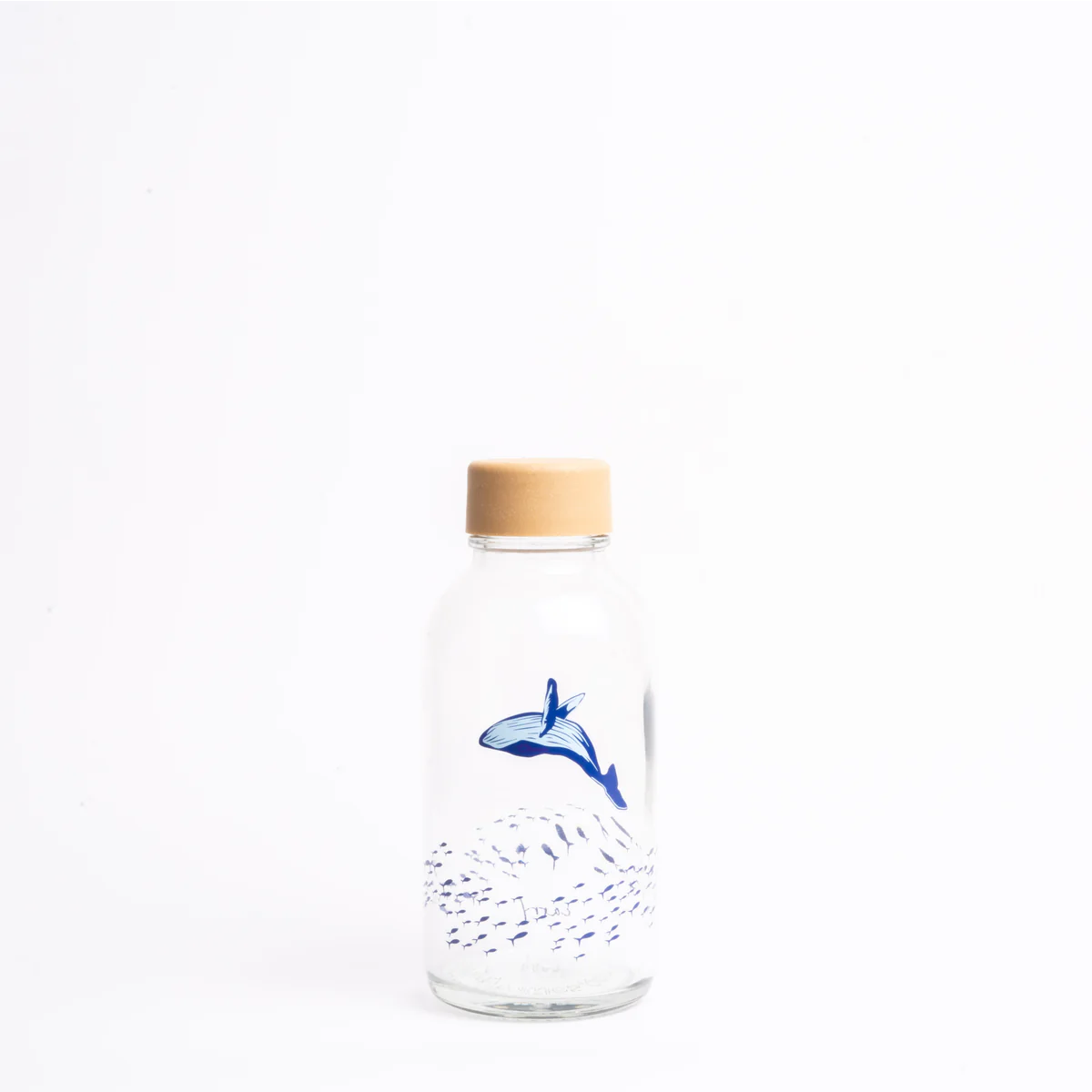
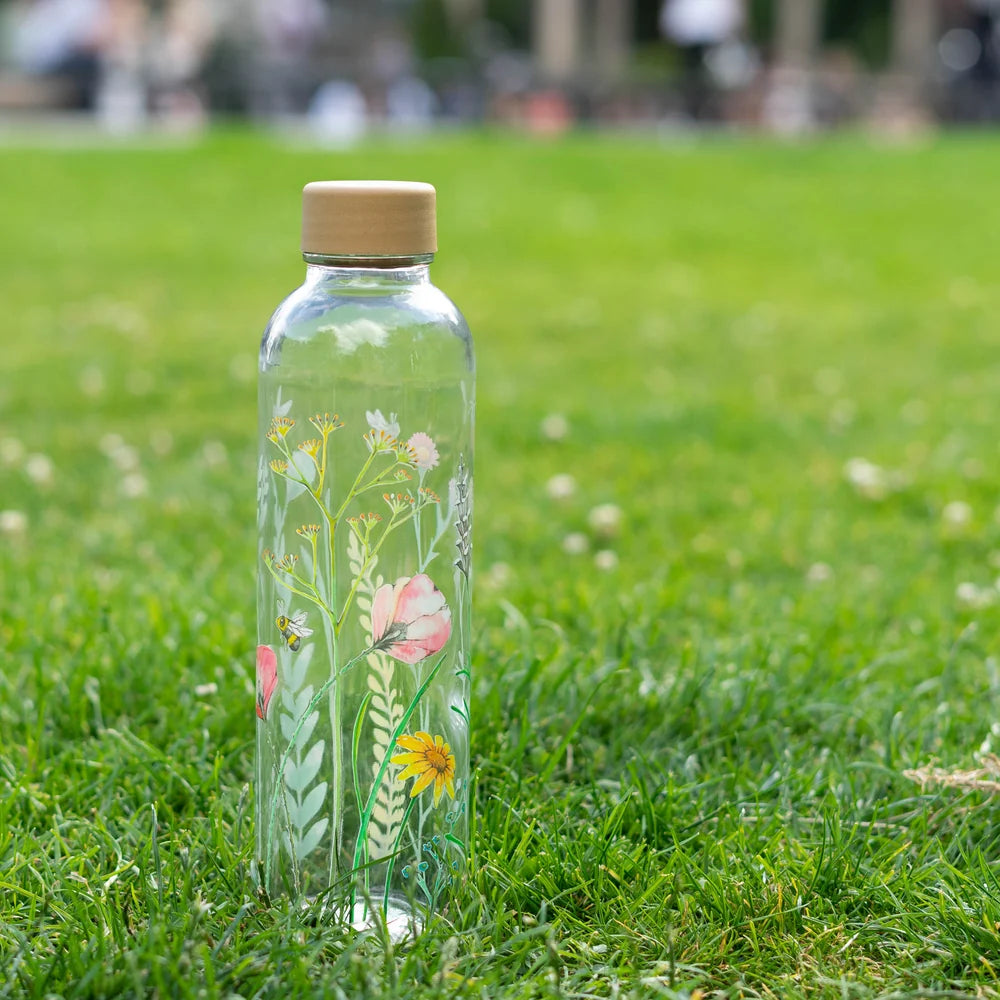
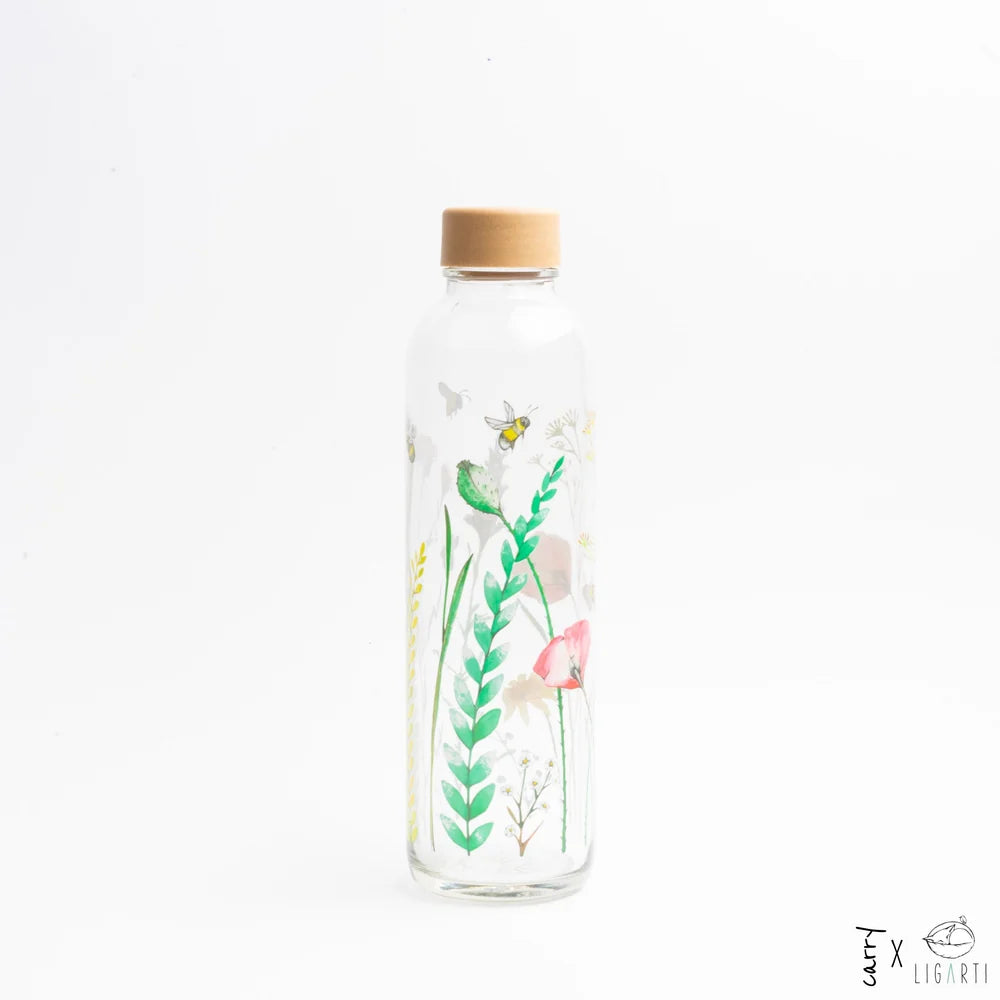
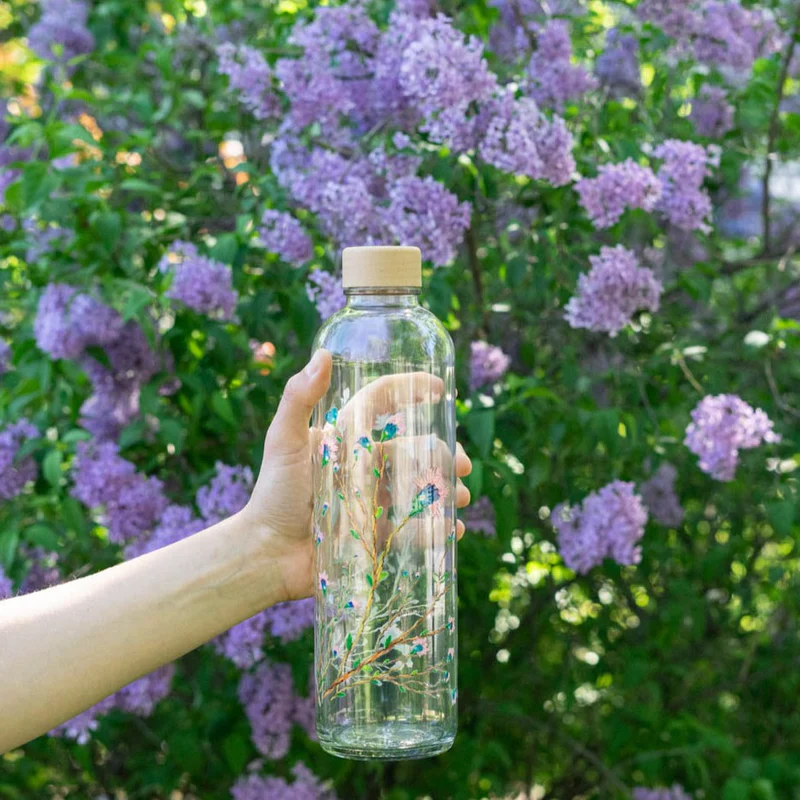
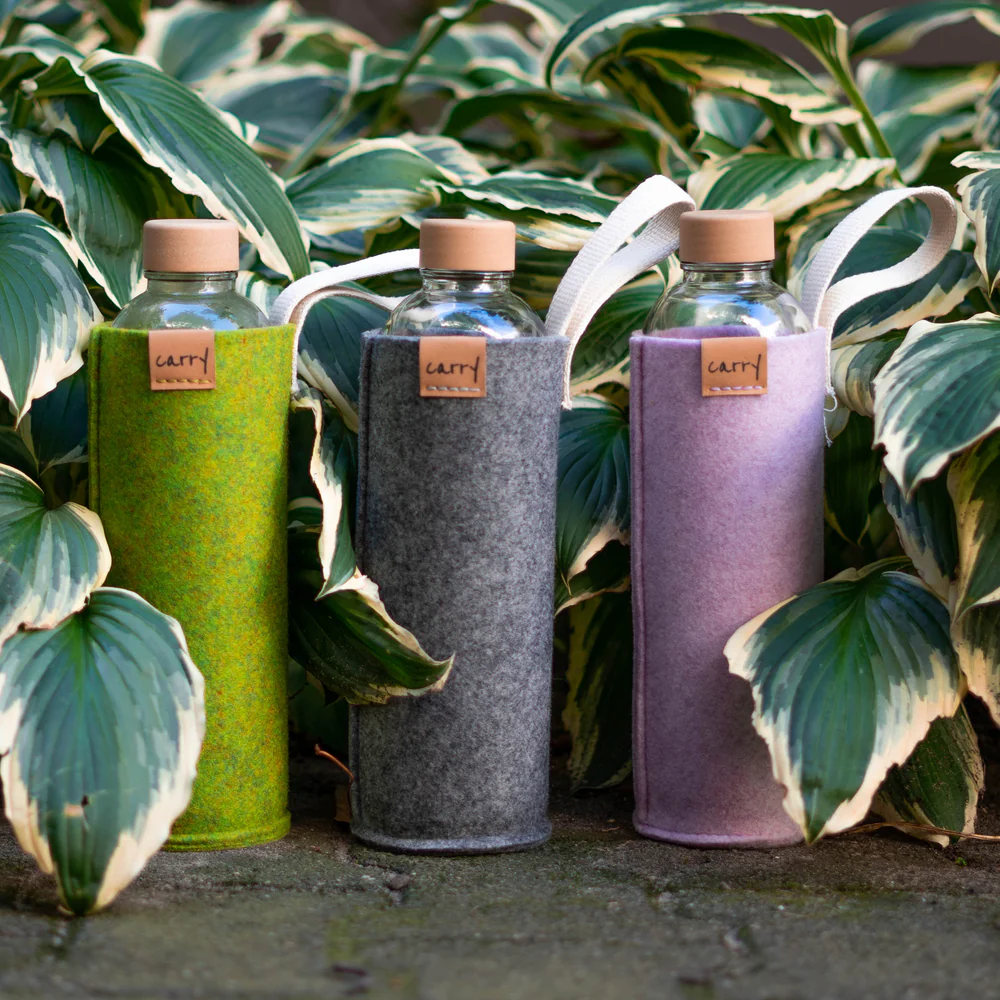
Perhaps you already have some at home; if so, it's time to dig them out. My favorite basics include reusable water bottles, travel mugs, shopping bags, glass containers (screw-top jars, tins, etc.), cloth napkins and cleaning cloths, and metal or glass straws.
Tip 3: Consume consciously
For me, the most important aspect of zero waste is developing an awareness of the products we consume. What ingredients does it contain? Who produced it? Are there more environmentally friendly alternatives? What happens to it when I throw it away? When we do this, we automatically make more sustainable choices over time. Zero waste isn't about demonizing plastic per se and "liberating" ourselves from everything, but rather about conserving resources and preventing further pollution of the world. Sometimes, buying used plastic Tupperware containers at a flea market can even be more sustainable than purchasing something completely new.
You can also find Franzi's fruit and vegetable nets in our shop from time to time. If you'd like to learn more about Franzi, check out her social media channels on Facebook and Instagram .
1. Franzi, tell us how your project Greenderella came about and how you got the idea to sell fruit and vegetable nets?
I've been running a blog called Greenderella for quite some time now, where I write about various sustainability topics. One day I saw the documentary "Plastic Planet" and decided to make it my New Year's resolution for 2013 to completely eliminate plastic. This wasn't easy at first, and one product I really missed was reusable produce bags – at that time, there really wasn't an alternative available here. That's when the idea was born to bring such a product to the German market. Although I was a complete career changer with my musicology degree, the mission was paramount, and so I turned Greenderella into a brand and started selling my own bags.
2. How and where are the shopping nets produced? How important is fair and environmentally friendly production to you?
This was very important to me from the beginning, because I want to be able to fully stand behind my products. The bags are therefore made in a small Indian factory from GOTS-certified organic cotton. The certification also guarantees that the entire production chain meets environmental and social standards.
To further contribute to reducing environmental pollution, 5% of my bag revenue goes to the Ocean Cleanup Project, which has made it its mission to rid the world's oceans of plastic.
3. How can I actually use such a shopping net in everyday life?
You can use them both in the supermarket and at the market for loose fruit and vegetables. There are no problems at the checkout – quite the opposite, I often get compliments on them! And since the bags are made of mesh fabric, you can easily see what's inside. They're also great for storing food.
4. Do you yourself live a zero-waste lifestyle and try to avoid plastic and the like?
Since I started implementing my New Year's resolution, I've largely avoided plastic and unnecessary waste. It usually works really well, but sometimes it's a bit more difficult, especially when I'm short on time. But once you know the alternatives, it becomes easier and easier to integrate zero waste into everyday life. For groceries, the best place to do this is at the farmers' market and in zero-waste shops.
For everything else, I'm a big fan of flea markets and generally of giving things a second chance or upcycling them before they end up in the trash. That's why I'm so excited to be collaborating with you and your shop. It's a fantastic concept!
5. What is your vision for Greenderella and do you have concrete plans for how you want to develop your company in the future?
I'm currently working with my boyfriend on a new website that will allow me to manage everything under one roof: the blog, the products, and a new YouTube channel I'll be creating with a friend. With Greenderella, I want to create a platform for everyone interested in a sustainable lifestyle. And of course, I really hope I can inspire many more people to stop using plastic bags. New products are also in the works. As a small business (which I'm currently running on my own), everything takes time, but they say you can reach your goal with small steps! ;-)
6. Your three tips for zero waste beginners!
Tip 1: Take it slow
Zero waste can be quite overwhelming at first, because you suddenly realize how much plastic actually surrounds you. You don't have to throw everything out and buy new things right away. Use things up and replace them little by little with more sustainable alternatives. This way, you also have enough time to look around and find the right products for you.
Tip 2: Equip yourself with everyday basics
Perhaps you already have some at home; if so, it's time to dig them out. My favorite basics include reusable water bottles, travel mugs, shopping bags, glass containers (screw-top jars, tins, etc.), cloth napkins and cleaning cloths, and metal or glass straws.
Tip 3: Consume consciously
For me, the most important aspect of zero waste is developing an awareness of the products we consume. What ingredients does it contain? Who produced it? Are there more environmentally friendly alternatives? What happens to it when I throw it away? When we do this, we automatically make more sustainable choices over time. Zero waste isn't about demonizing plastic per se and "liberating" ourselves from everything, but rather about conserving resources and preventing further pollution of the world. Sometimes, buying used plastic Tupperware containers at a flea market can even be more sustainable than purchasing something completely new.
You can also find Franzi's fruit and vegetable nets in our shop from time to time. If you'd like to learn more about Franzi, check out her social media channels on Facebook and Instagram .









































Leave a comment
This site is protected by hCaptcha and the hCaptcha Privacy Policy and Terms of Service apply.