

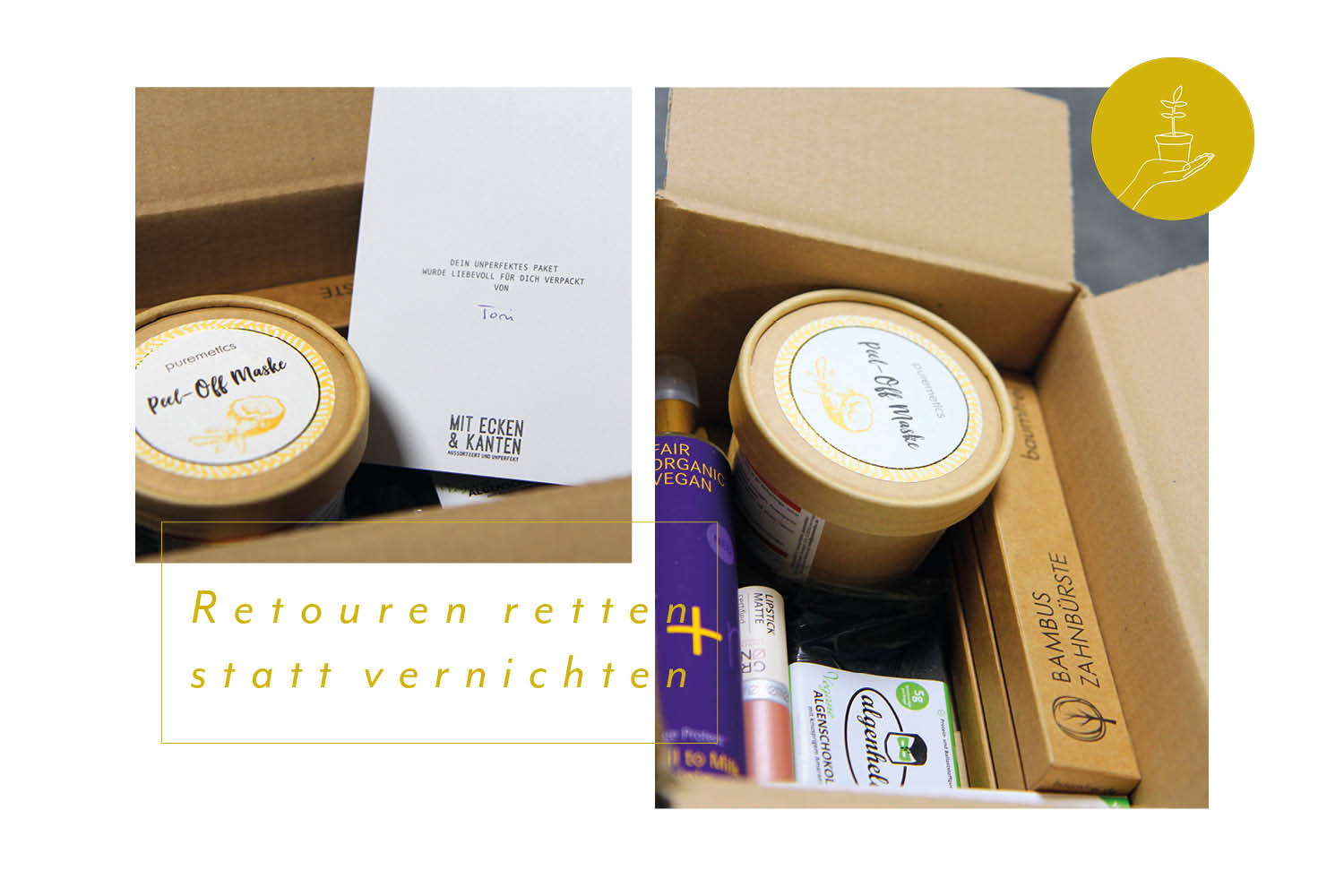
One in six packages is returned, which amounts to roughly 280 million packages across Germany. Nearly four percent of these are destroyed. Consequently, eleven million, often perfectly good, online returns simply end up in the trash. Until now, there have been no laws prohibiting this – but that could change now!
A draft law was recently introduced that aims to prevent this destruction of returned goods:
Q: Peter, based on your experience: How does Amazon normally handle returns? And why did you decide not to participate anymore?
A: Amazon categorizes its returns as "sellable" and "unsellable." Sellable items are restocked and offered for sale again. The problem, however, is that a large portion of unsellable returns are disposed of. Furthermore, Amazon far too often classifies perfectly new and flawless items as unsellable. Sellers also have a responsibility here, as we, as retailers, can arrange for these "unsellable returns" to be sent to us by Amazon, thus preventing disposal. Therefore, all our products sold at Mit Ecken und Kanten were originally classified as "unsellable" by Amazon.
Q: Do you think the new law will bring about real changes?
A: I don't know, it's just a draft at the moment. The law is intended to hold online retailers accountable. Here, a distinction must be made between, for example, Amazon as a marketplace, which also sells its own products, and retailers like us who use such a marketplace as a sales channel. The media always talks about Amazon or Zalando, but every single retailer who uses these marketplaces bears responsibility and can influence this issue. It remains to be seen whether the law truly holds both sides accountable.
Q: Why do you get returns at all? You'd think you couldn't go too wrong with espresso makers, etc.
A: That's a good question. We actually have a very low return rate, but it still adds up to too many. We all need to take a hard look at ourselves as consumers. We receive so many returns where the product is still completely new and flawless that we wonder if some people even think before they order something. Of course, sometimes a product is genuinely defective, which is why we are constantly trying to improve the quality and design of our products to further reduce returns.
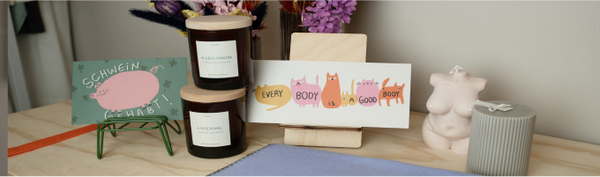
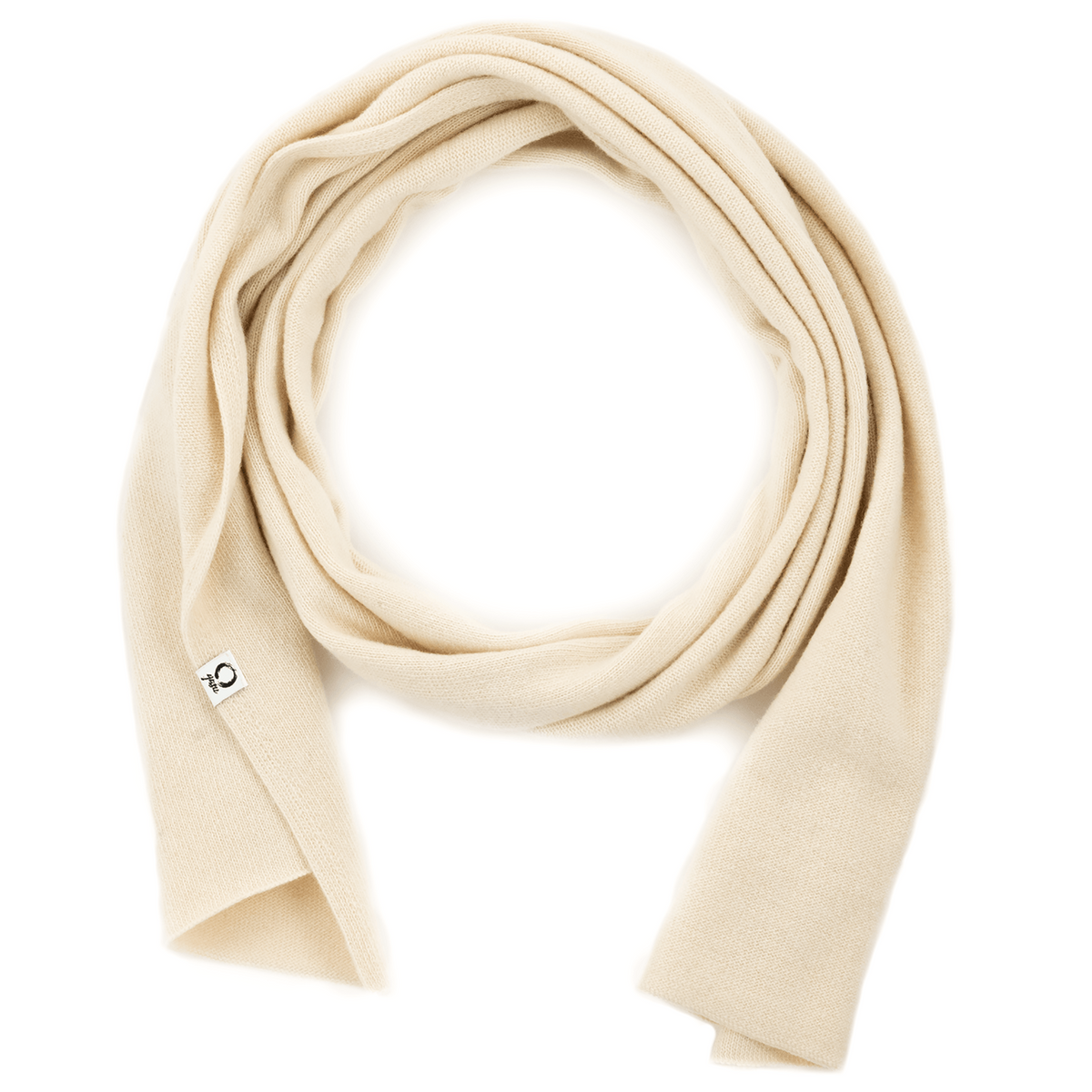
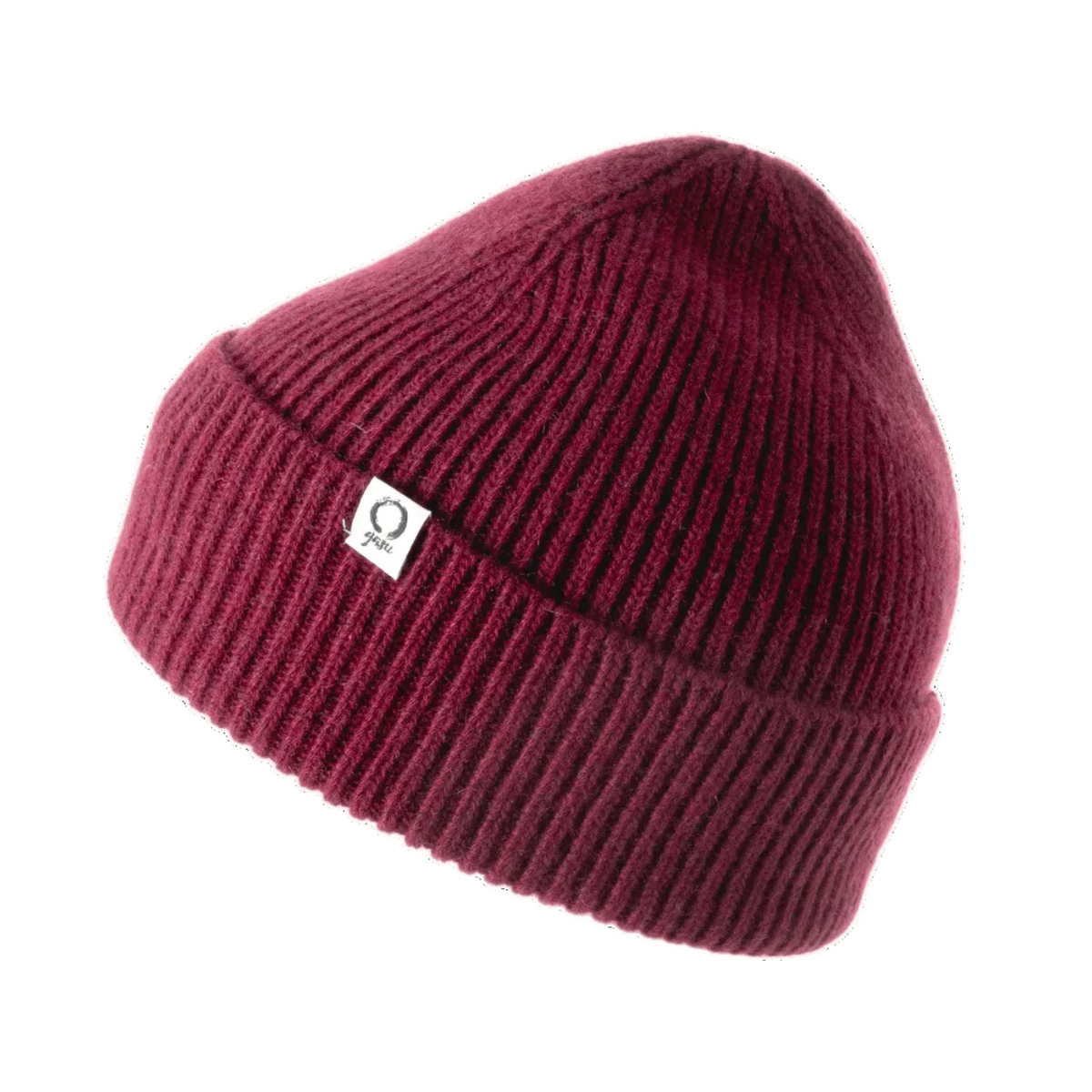
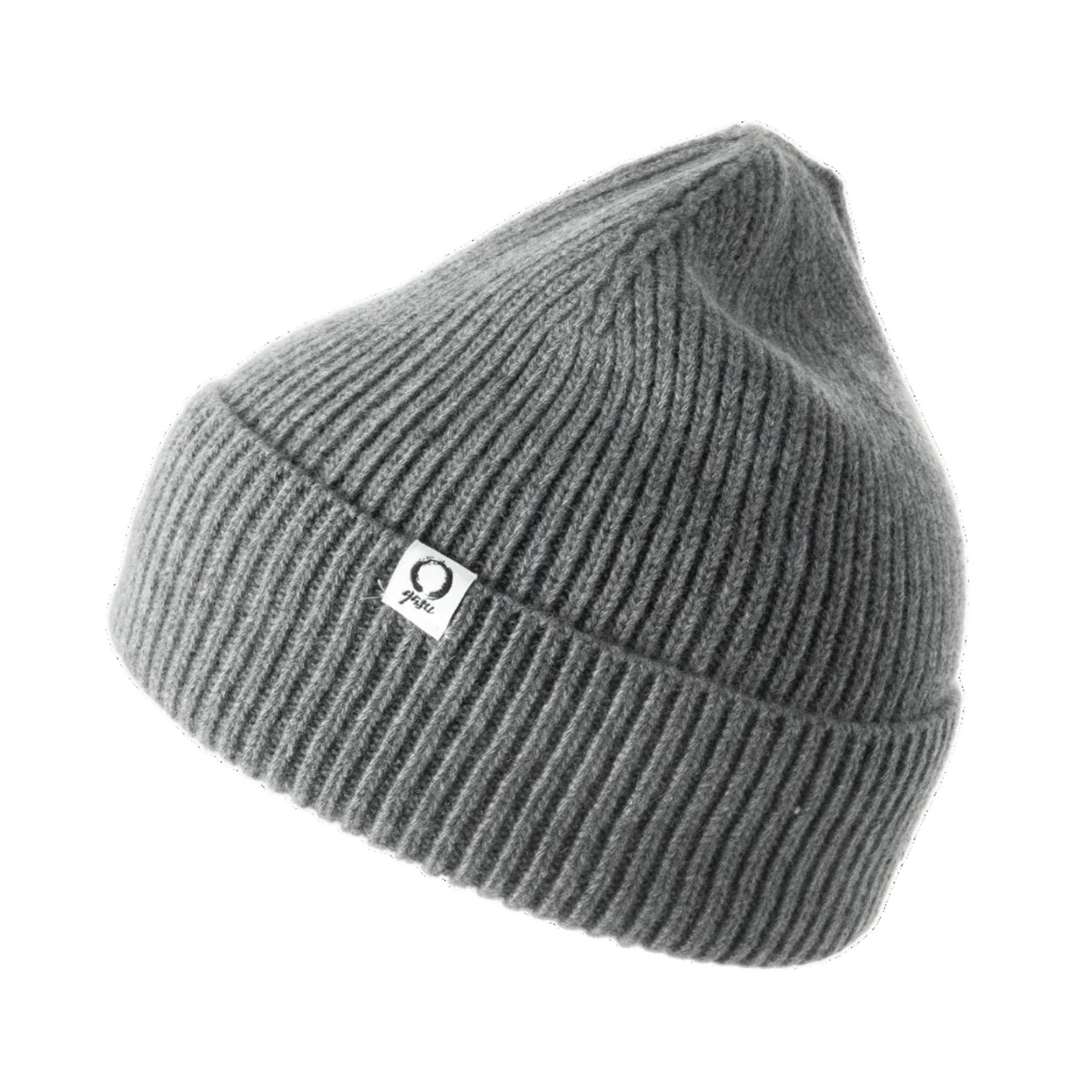
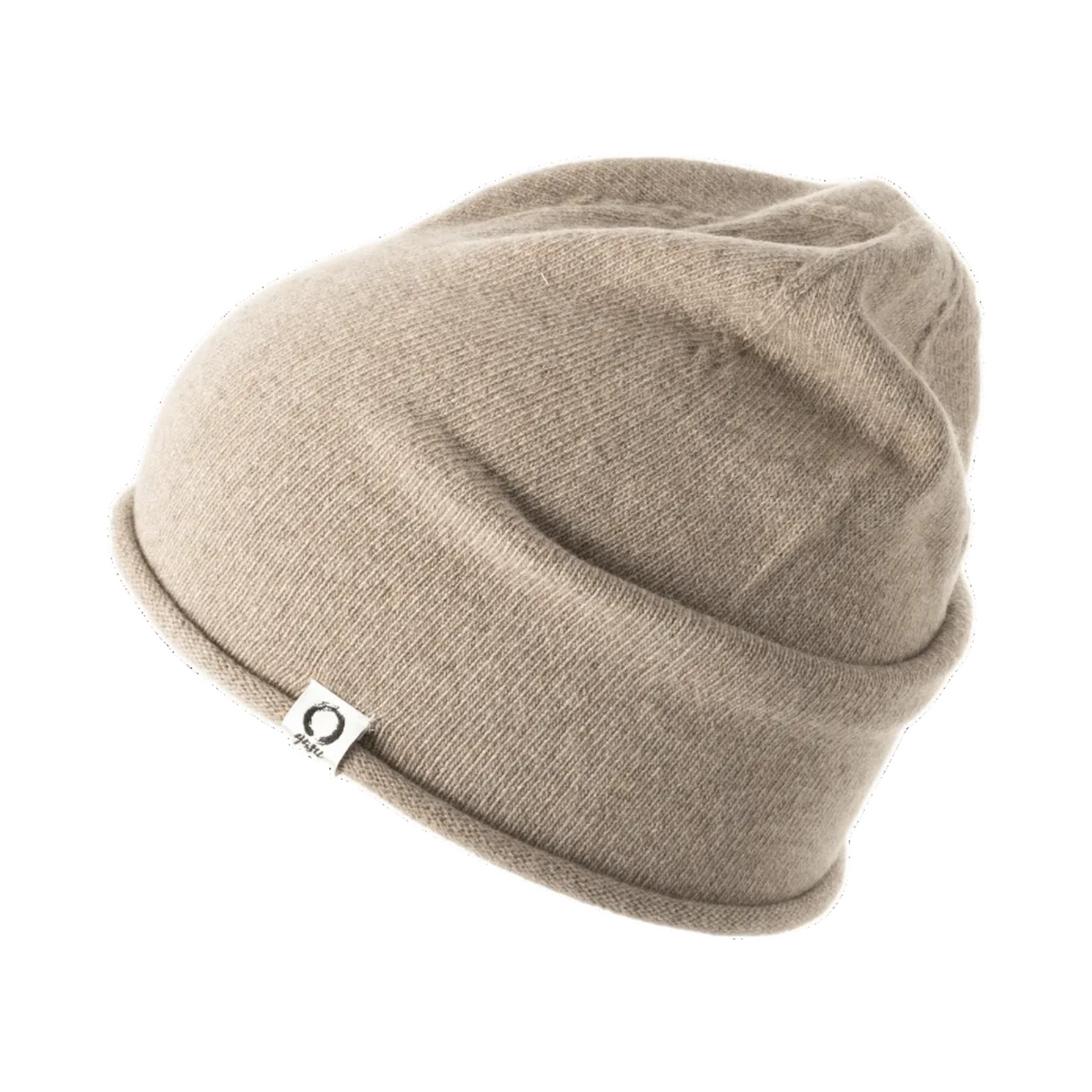
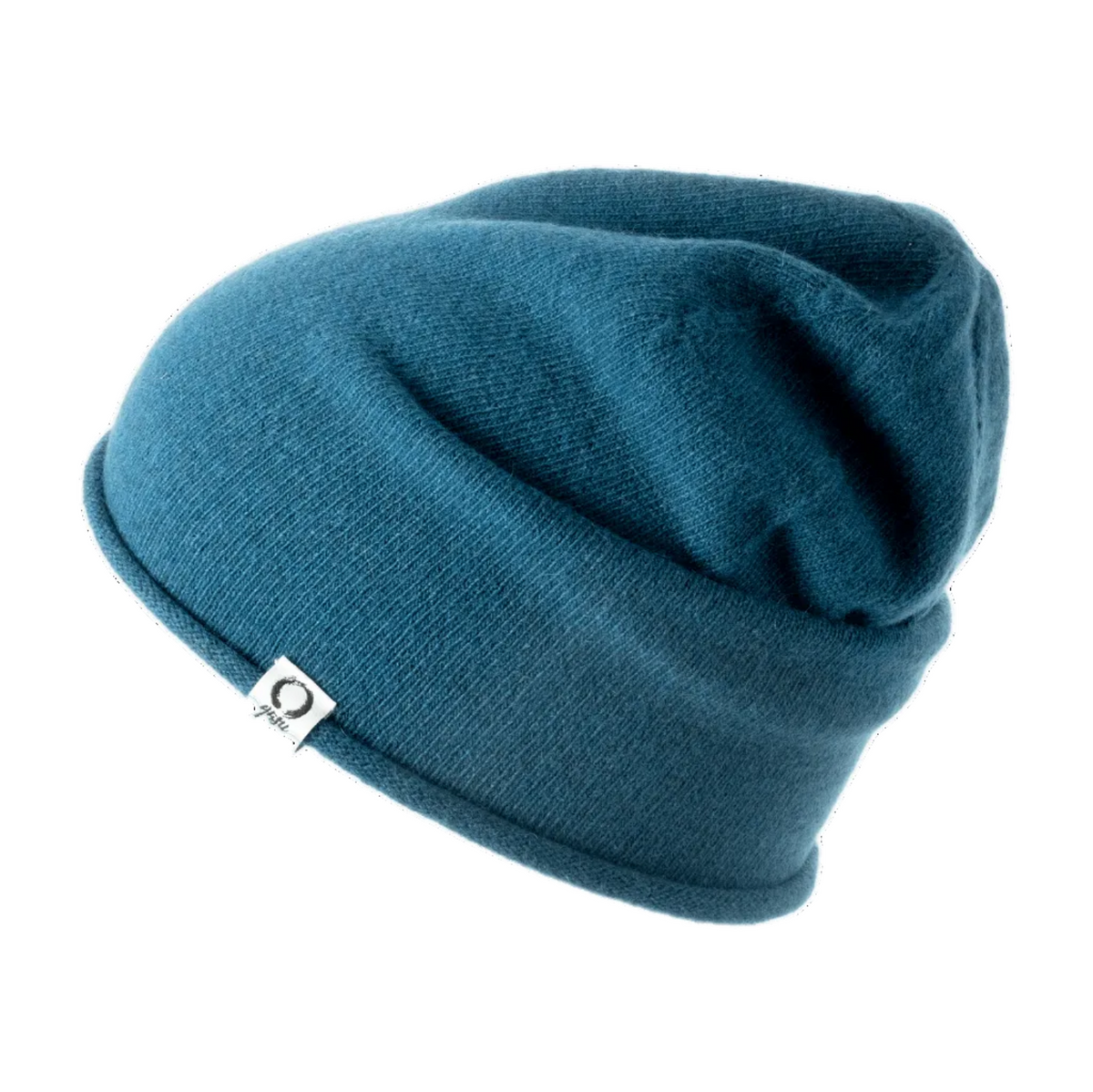
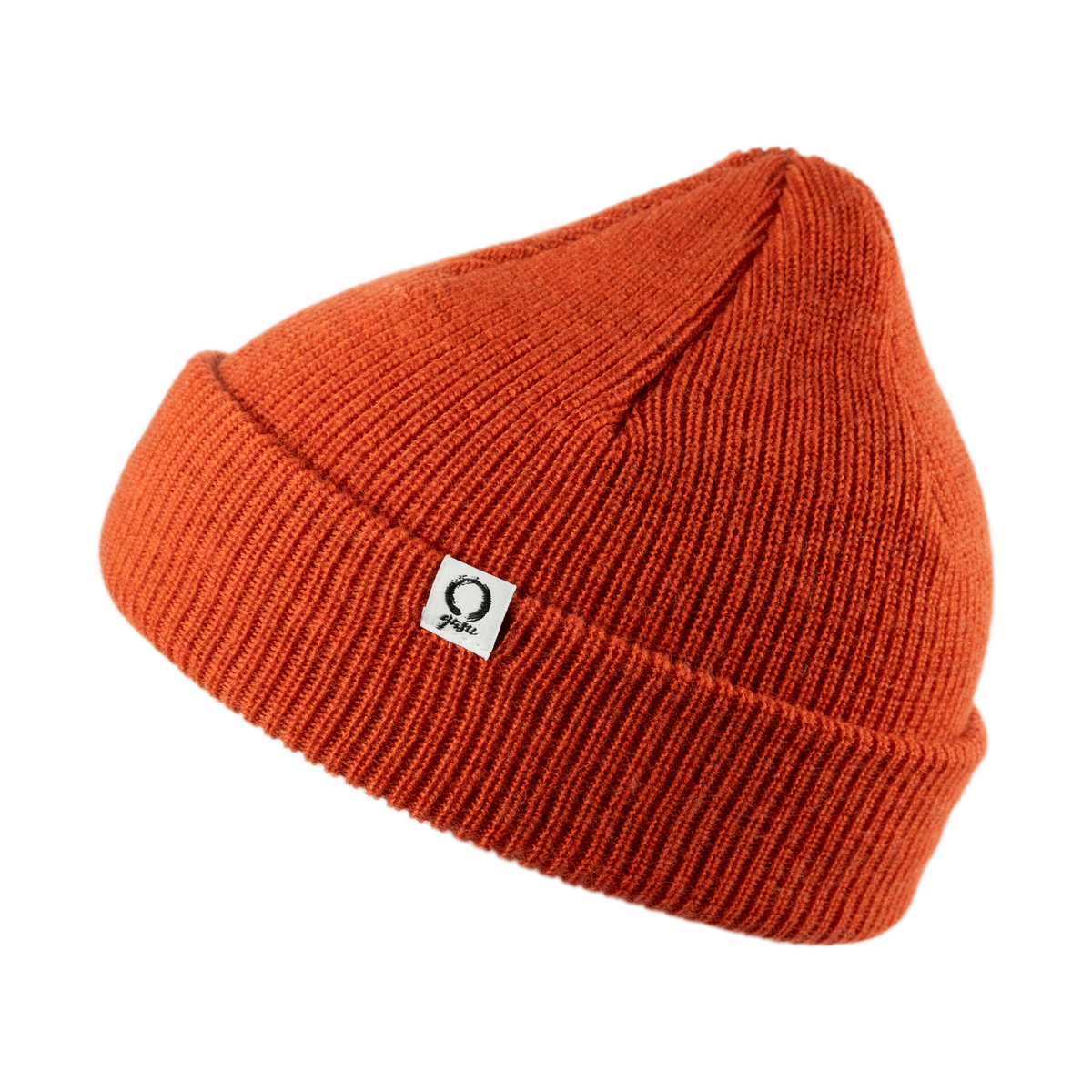
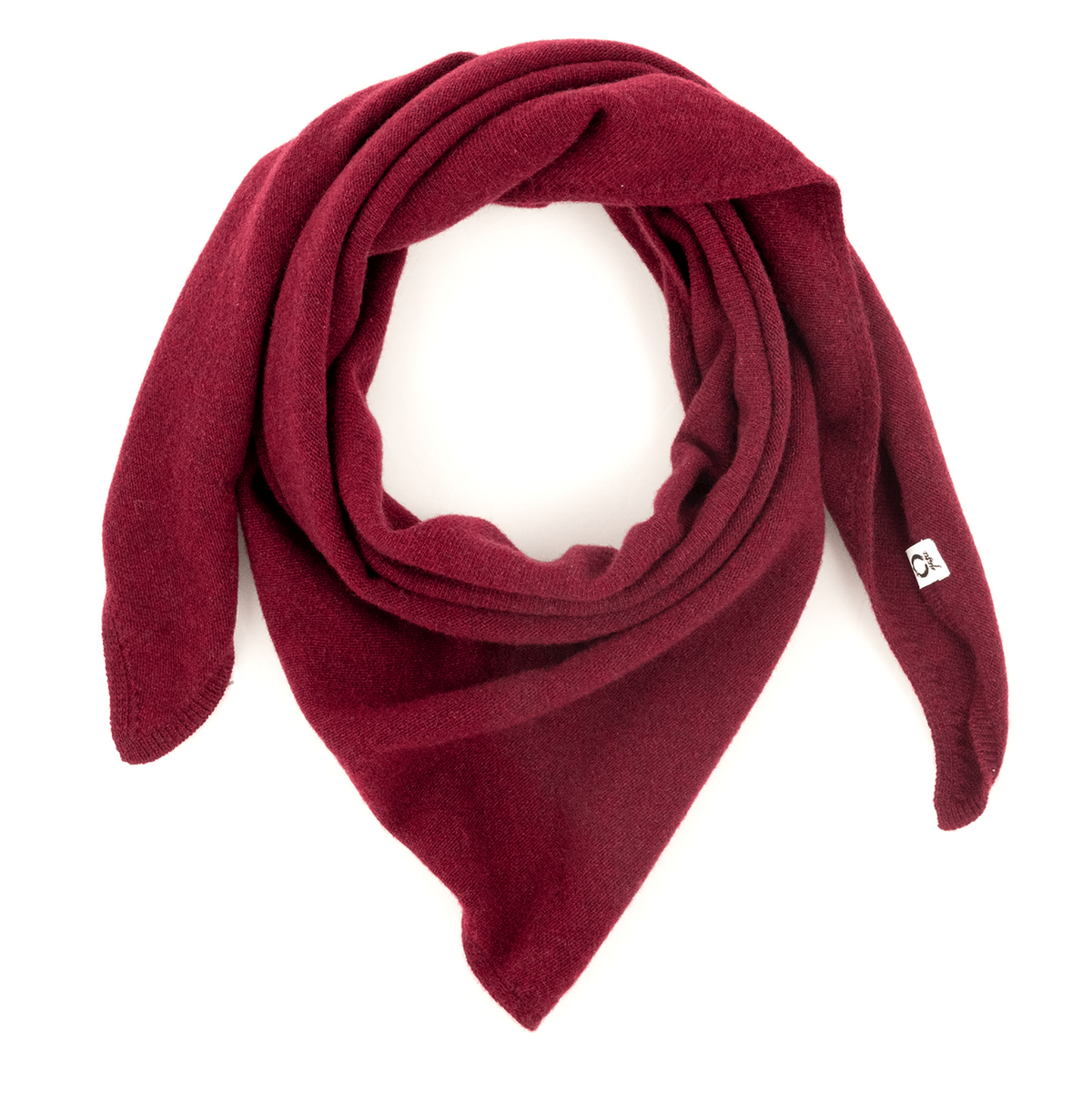
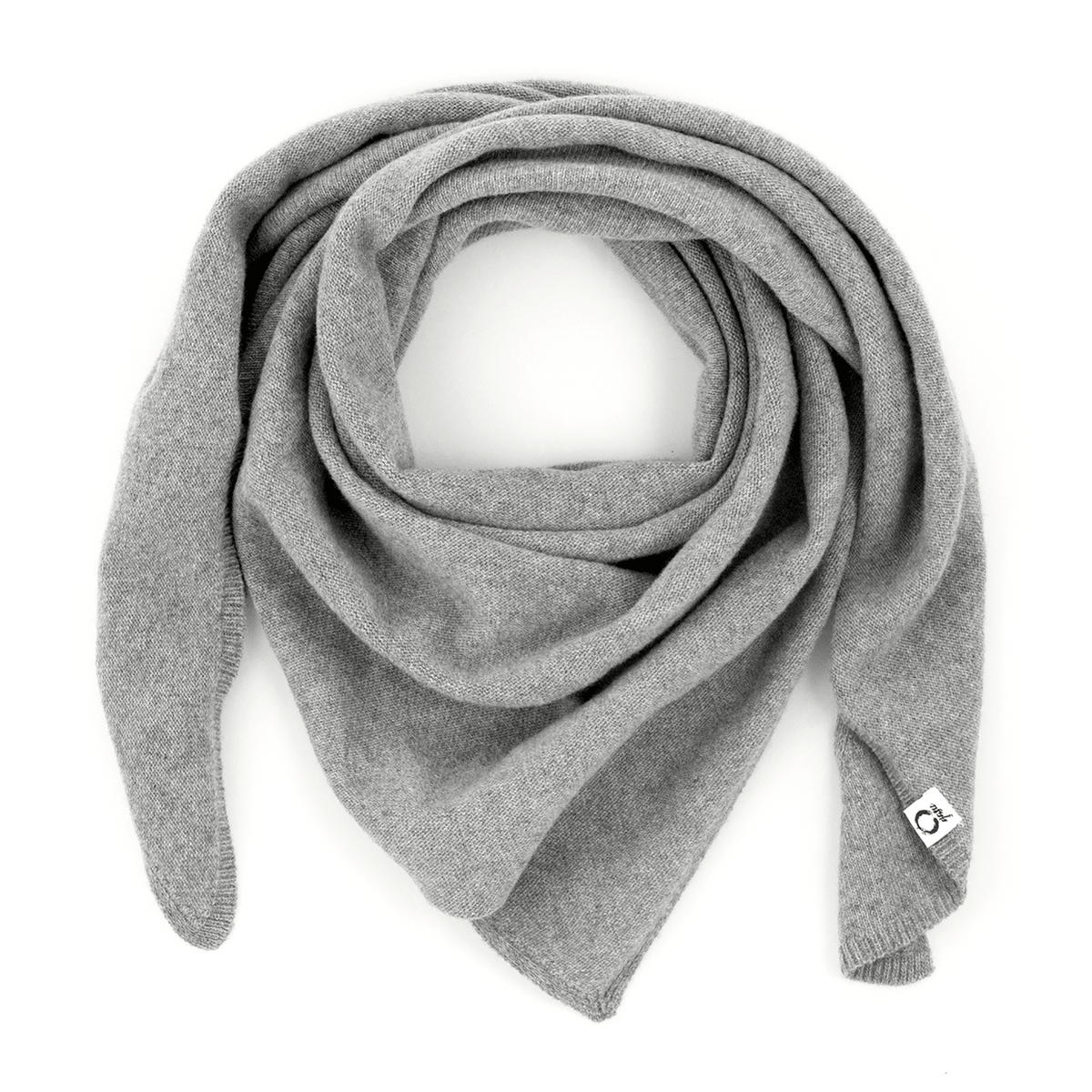
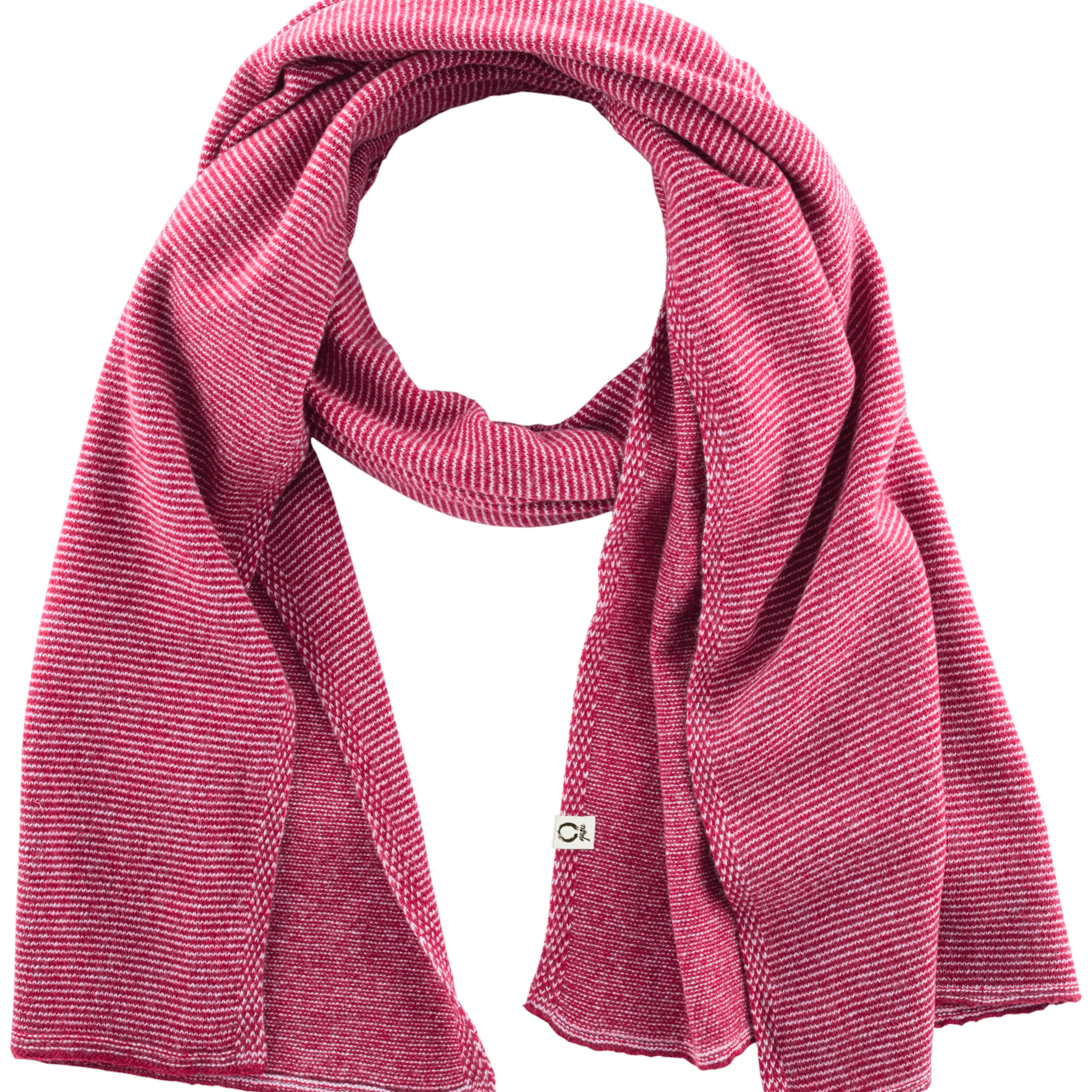
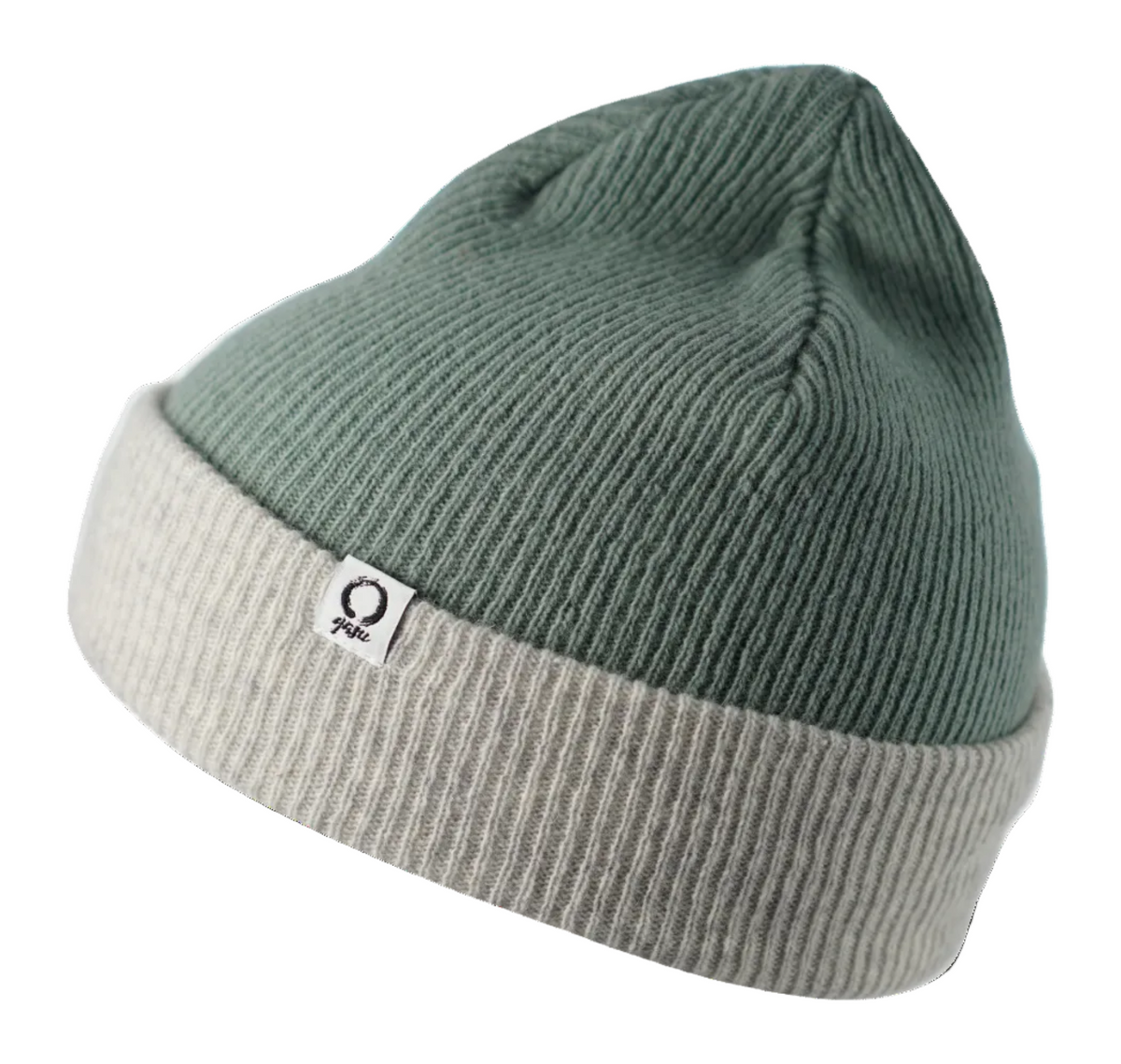
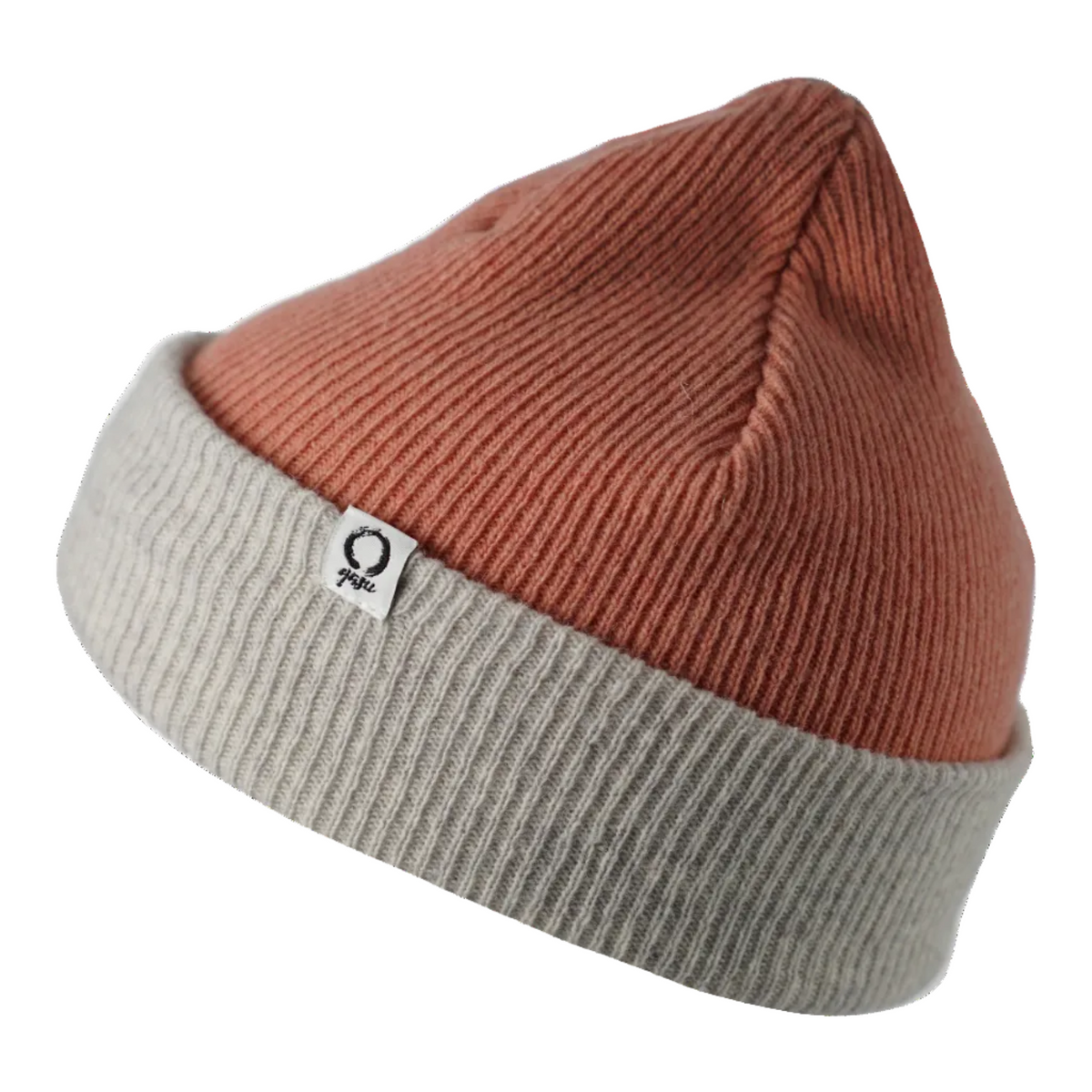
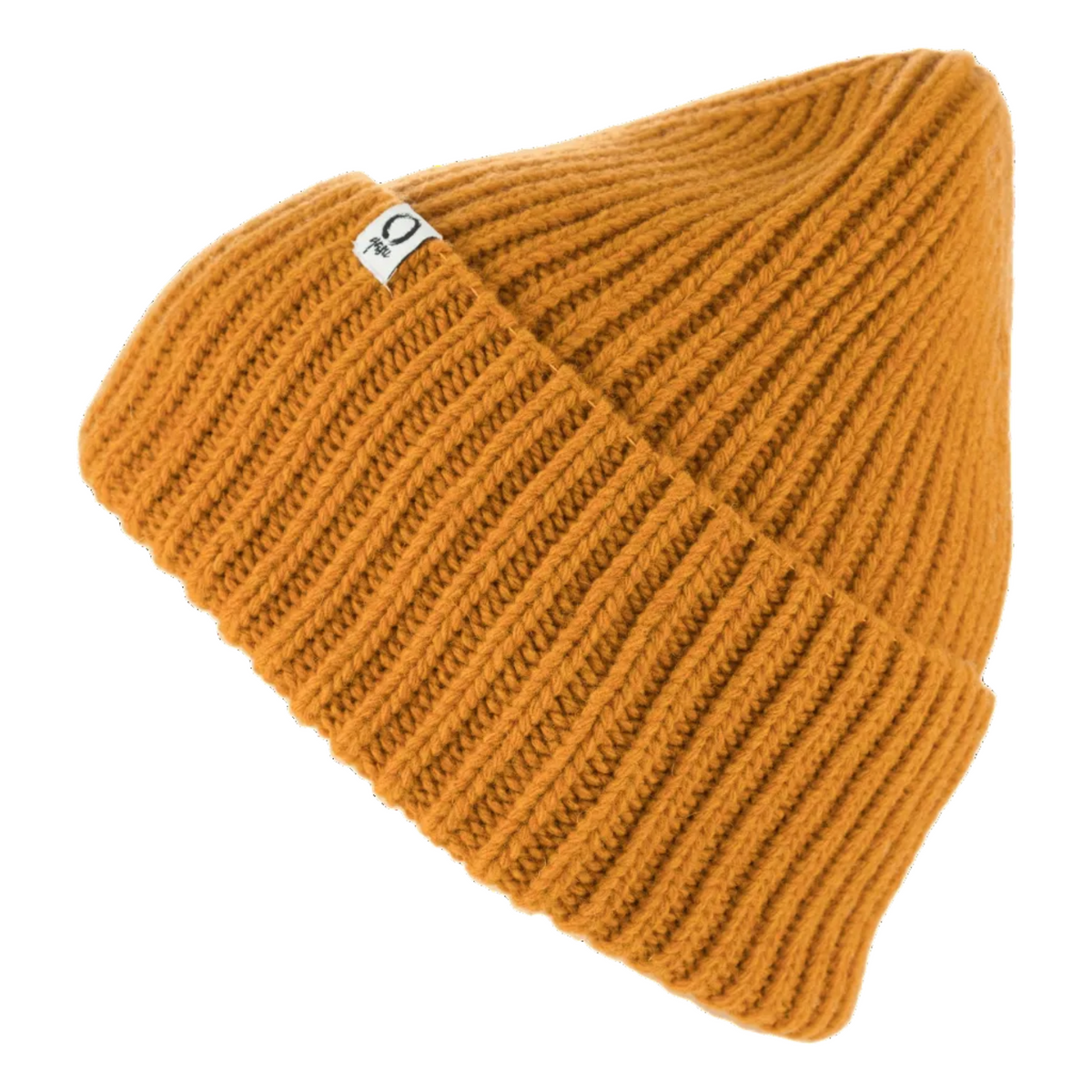
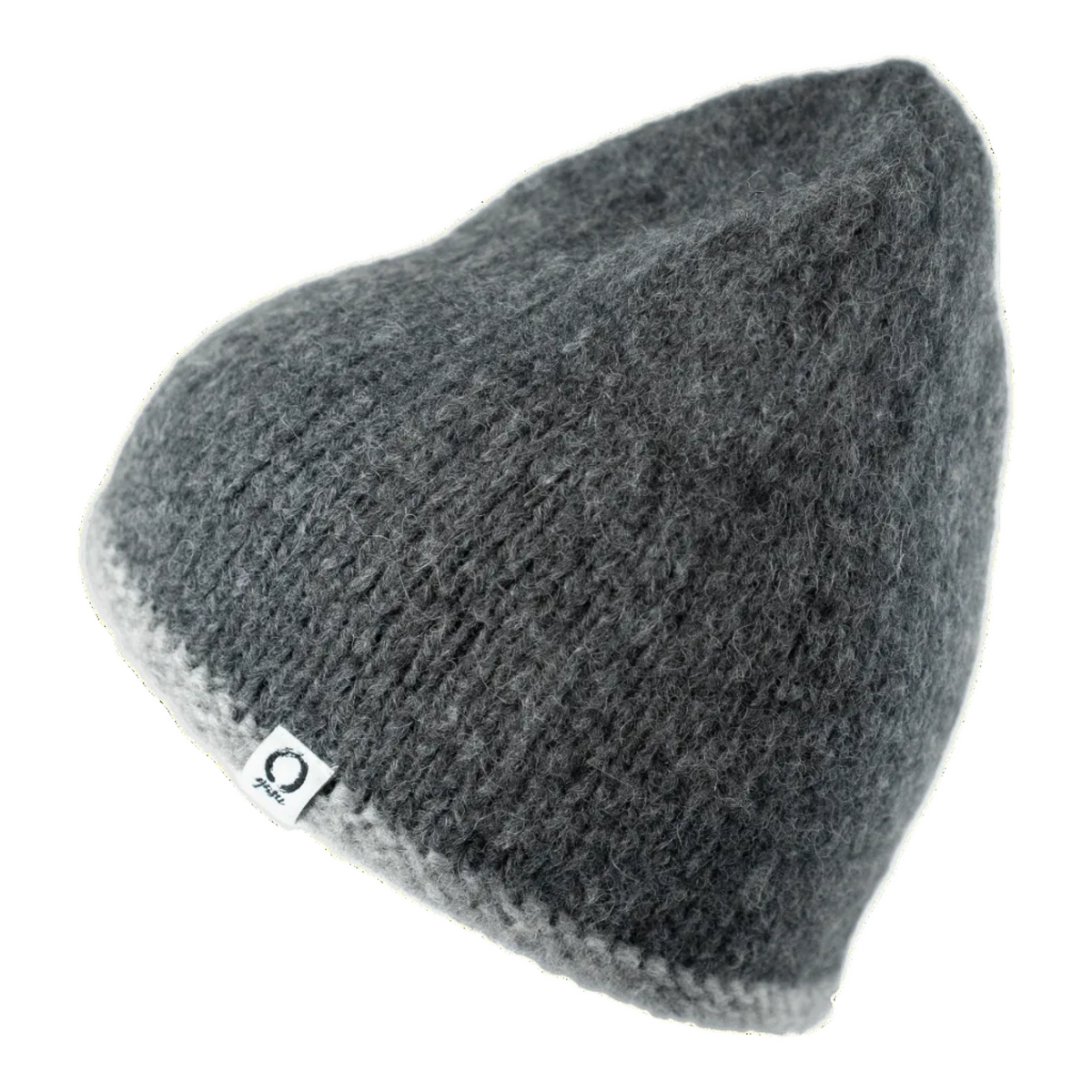
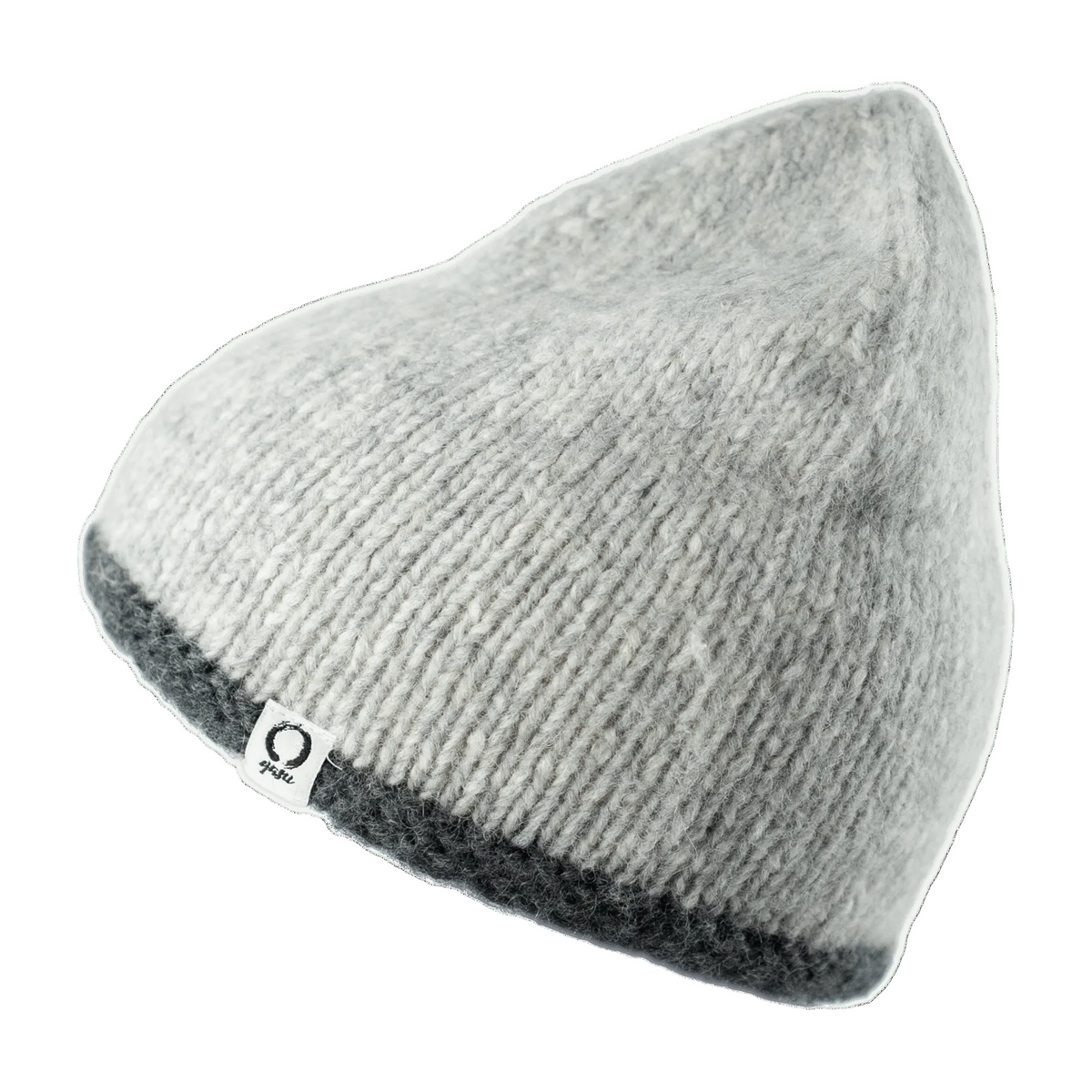
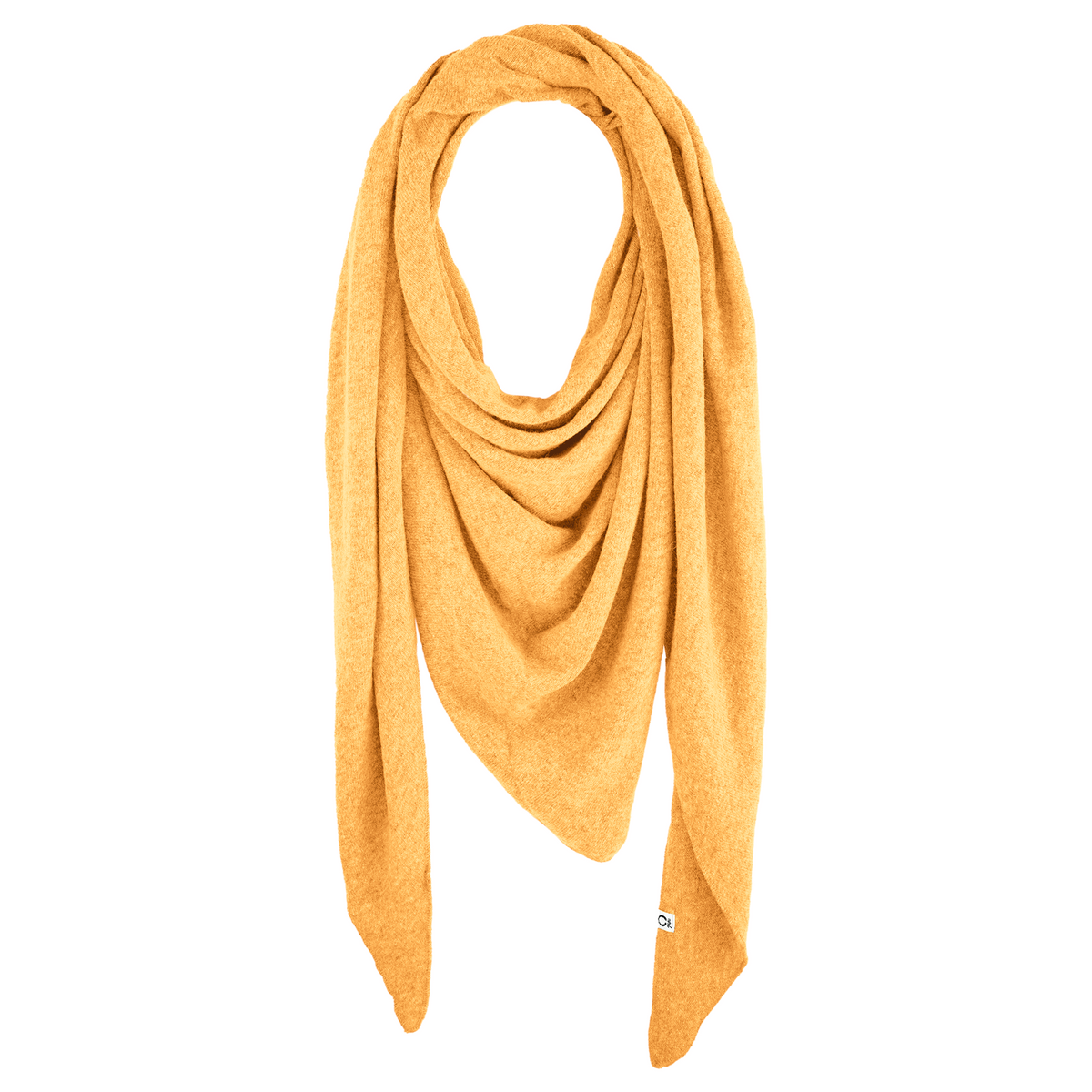
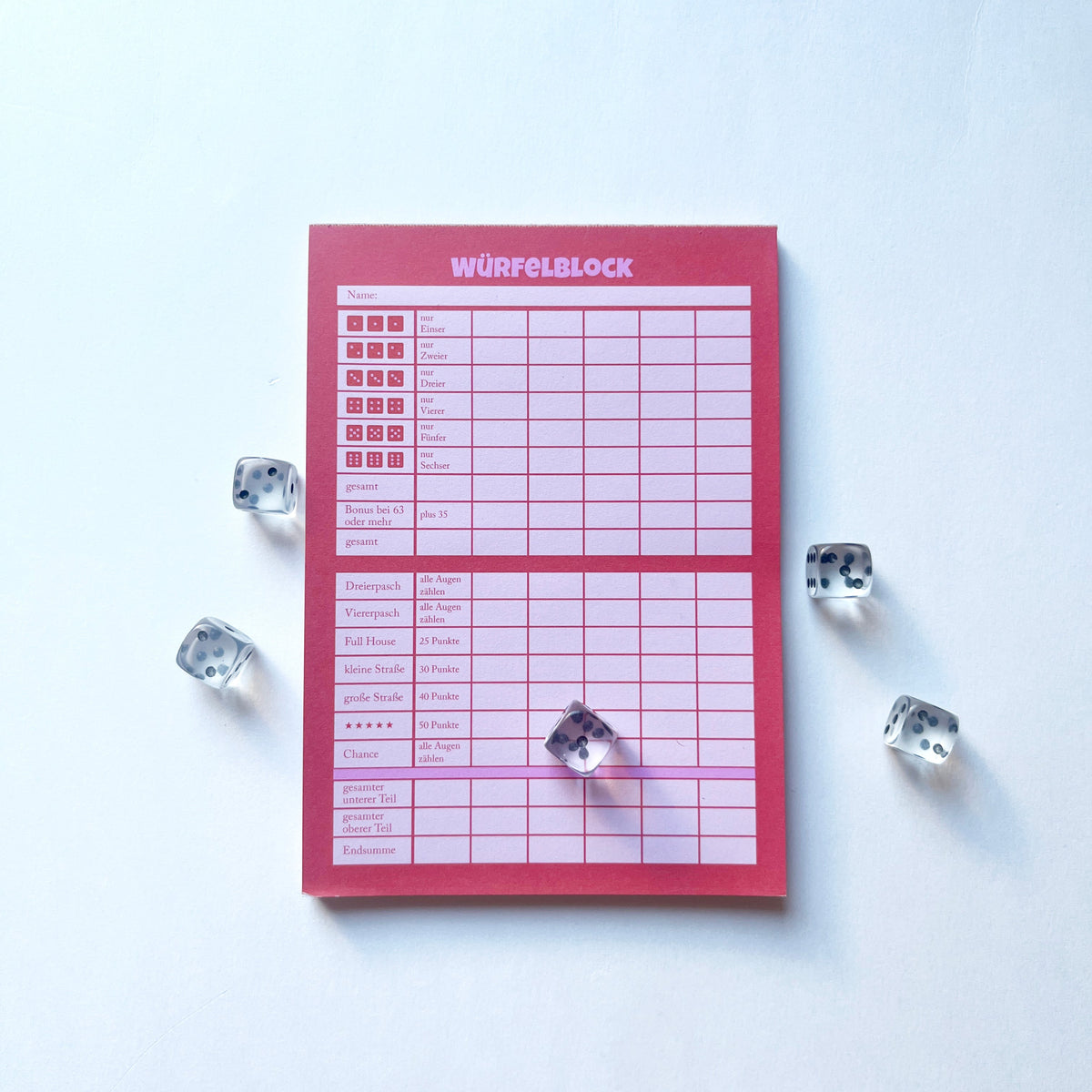
At Mit Ecken und Kanten (With Corners and Edges), our online shop offers sustainable companies the opportunity to give returned items with minor cosmetic flaws a second chance . These are usually products that still function and look perfectly fine and are far too good to throw away.
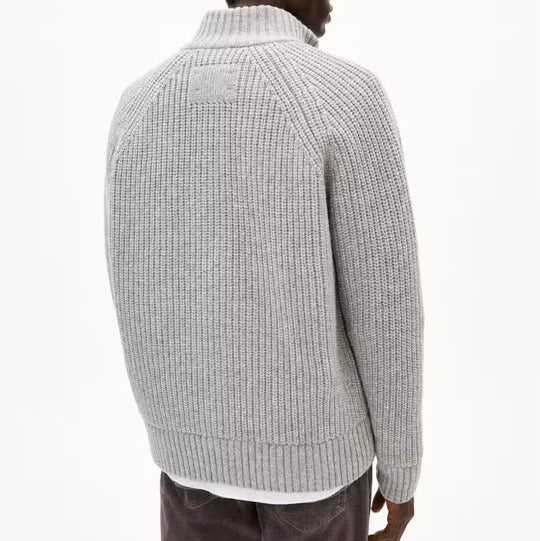
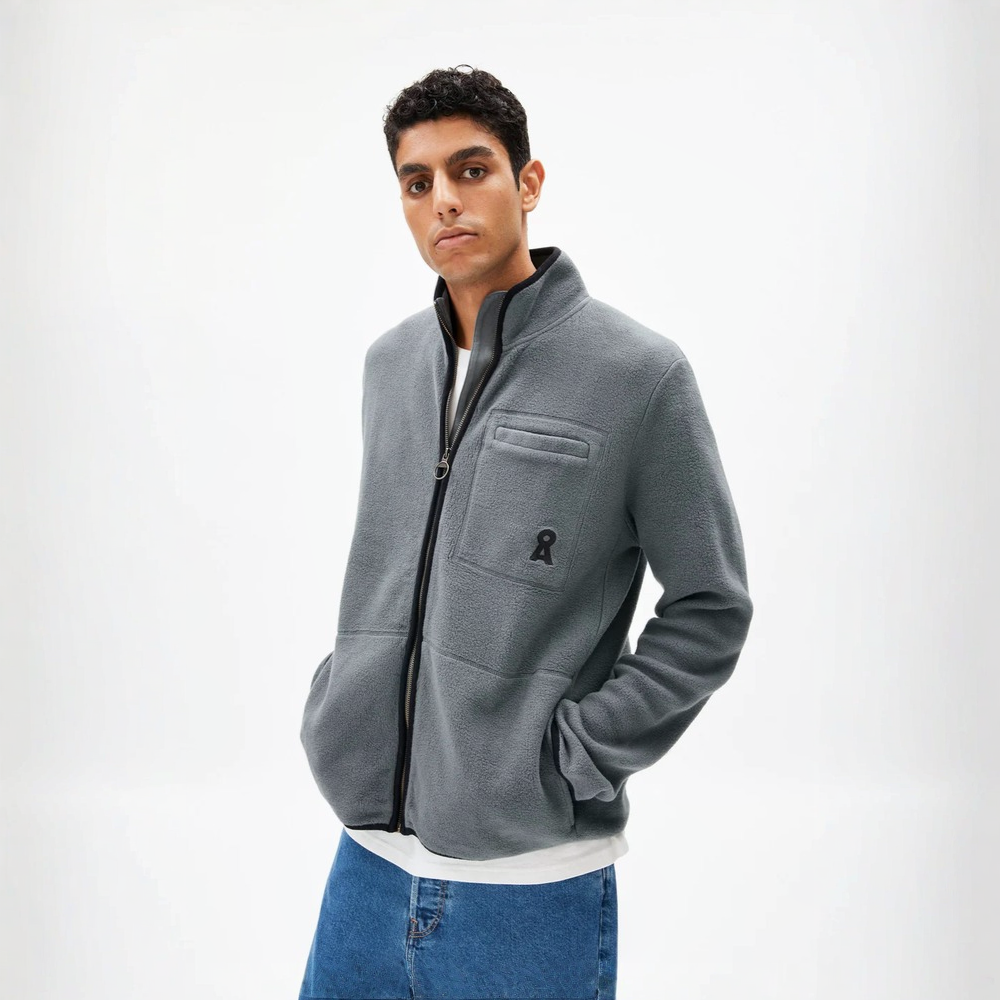
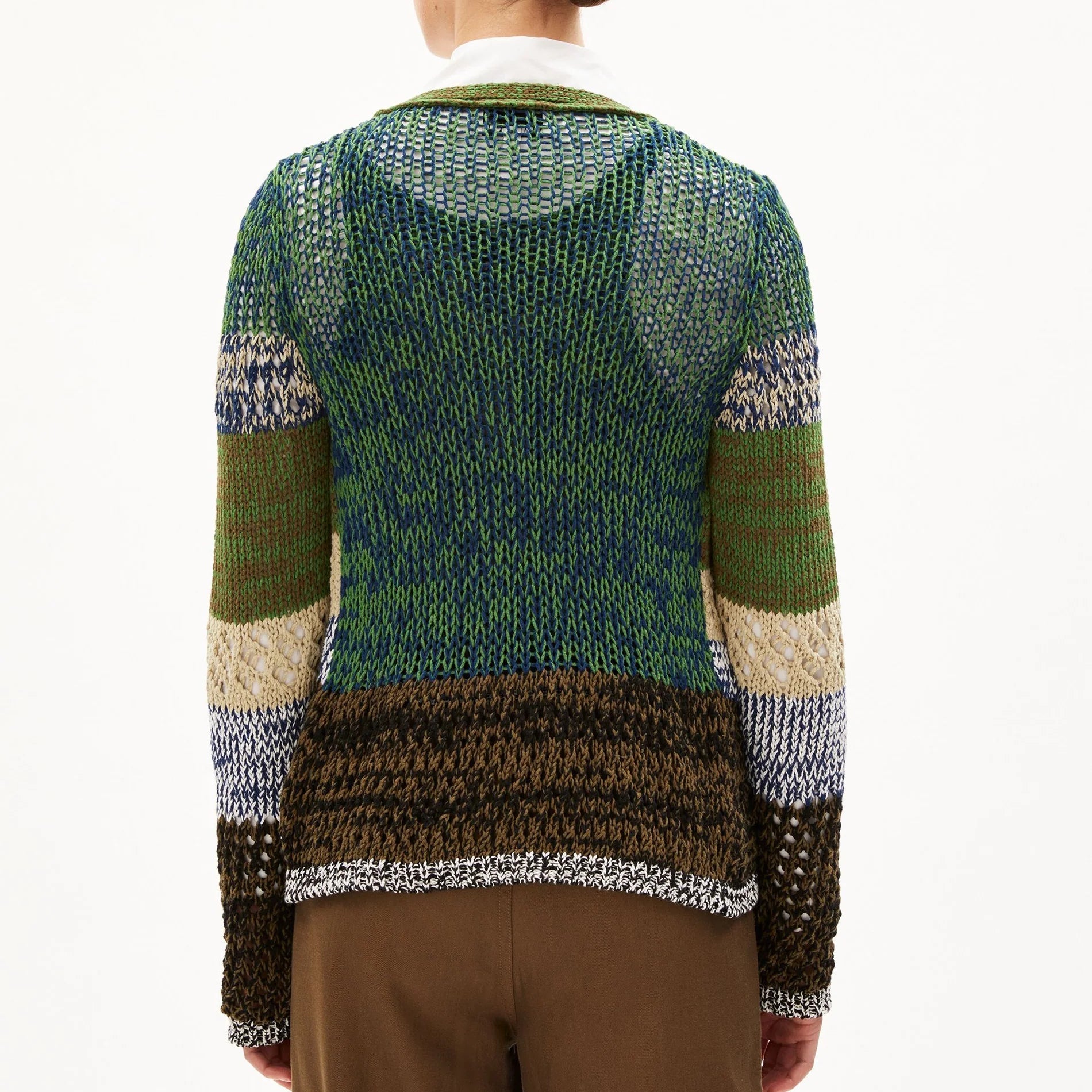
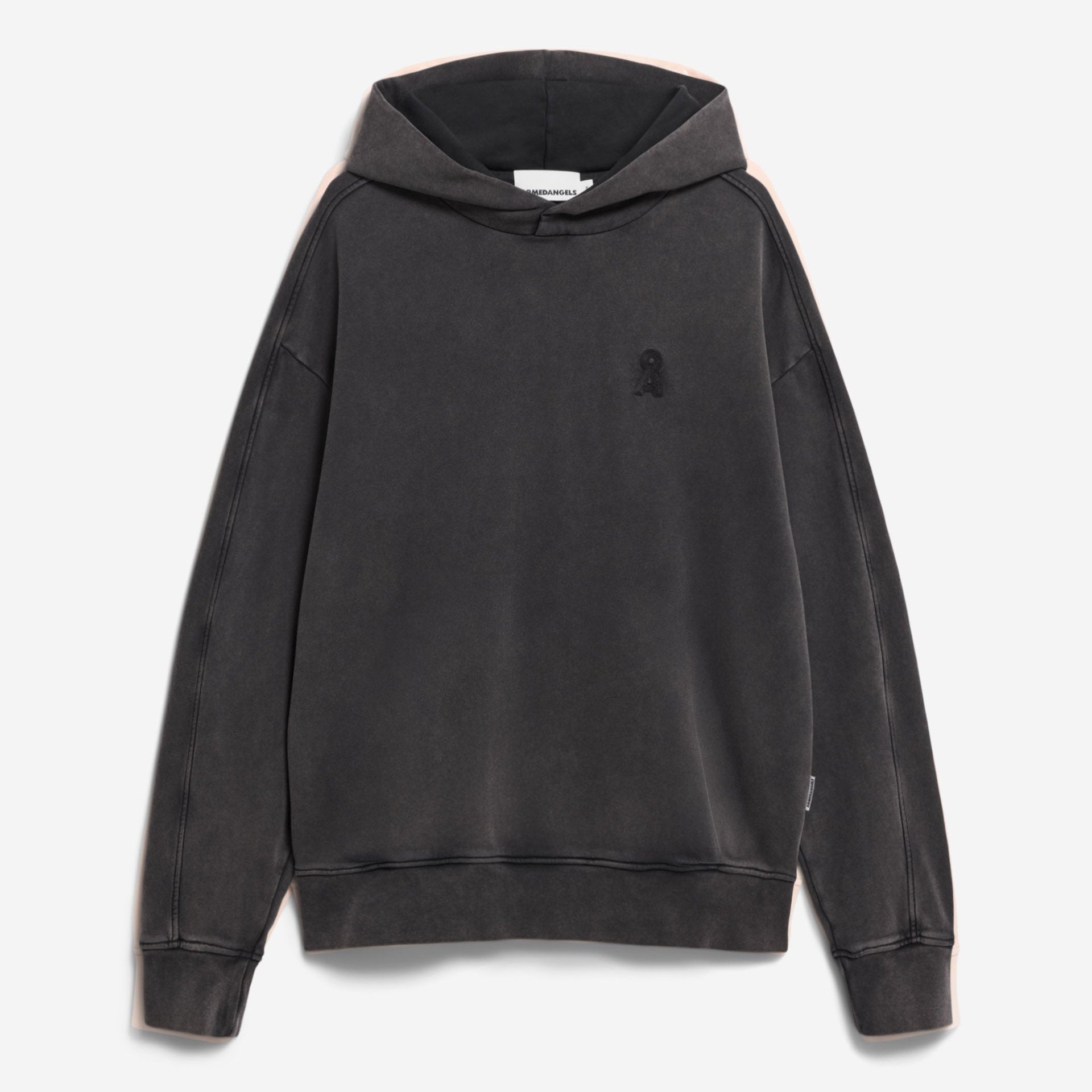
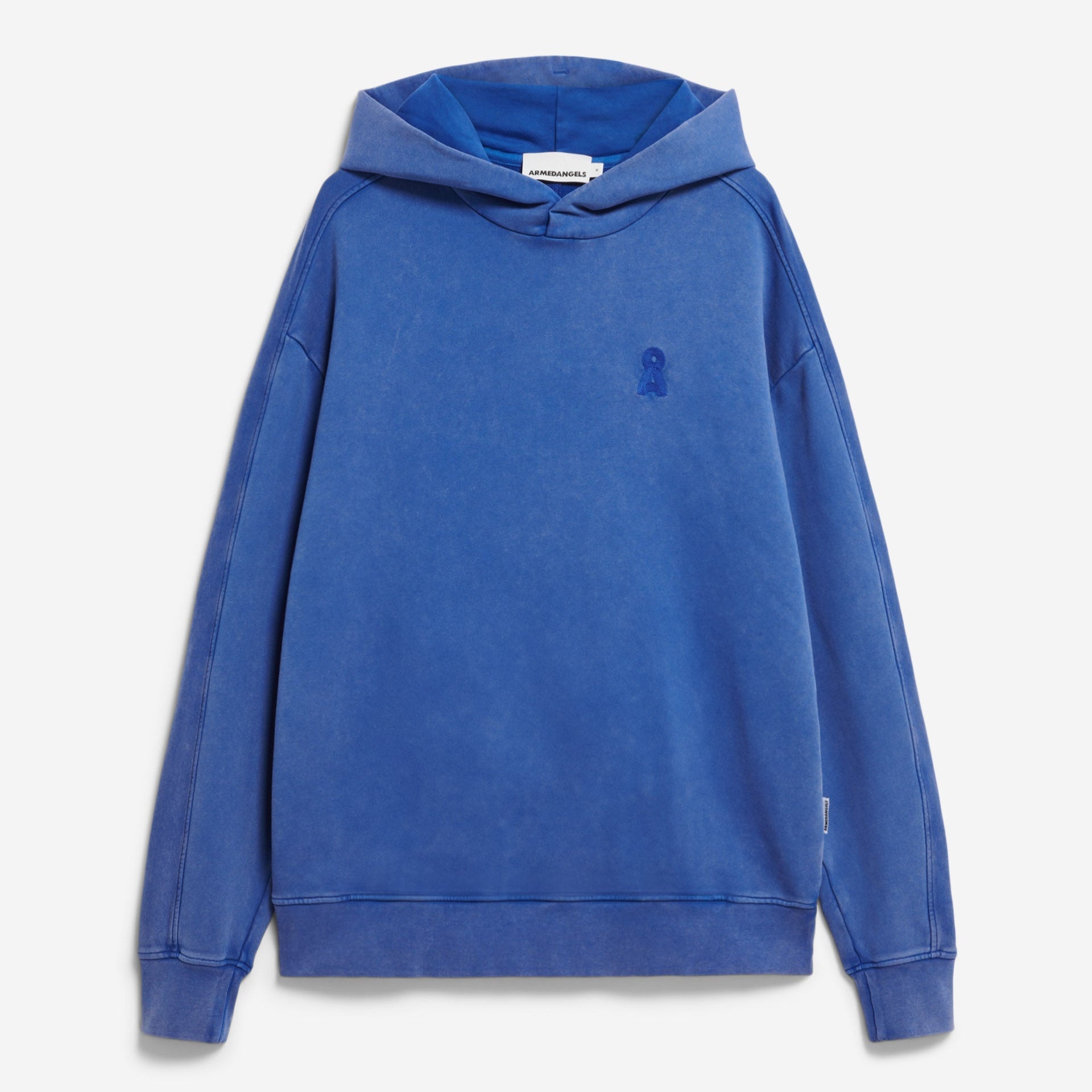
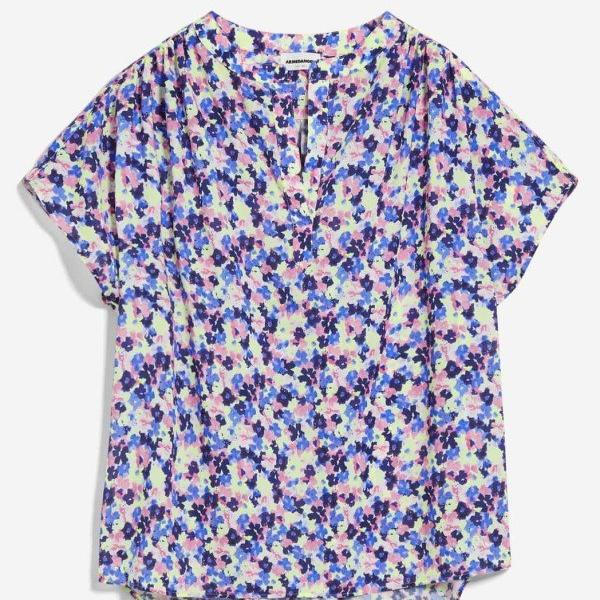
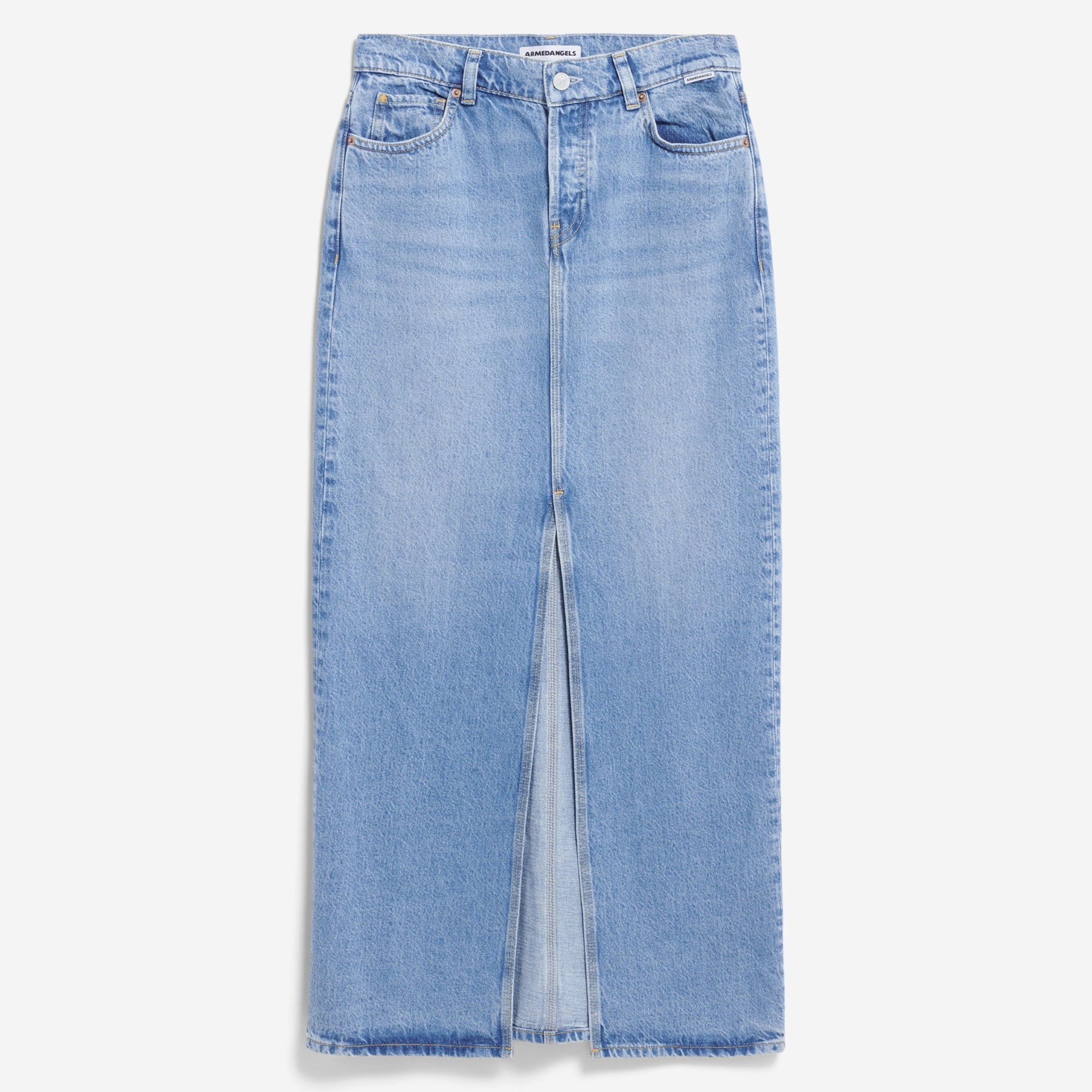
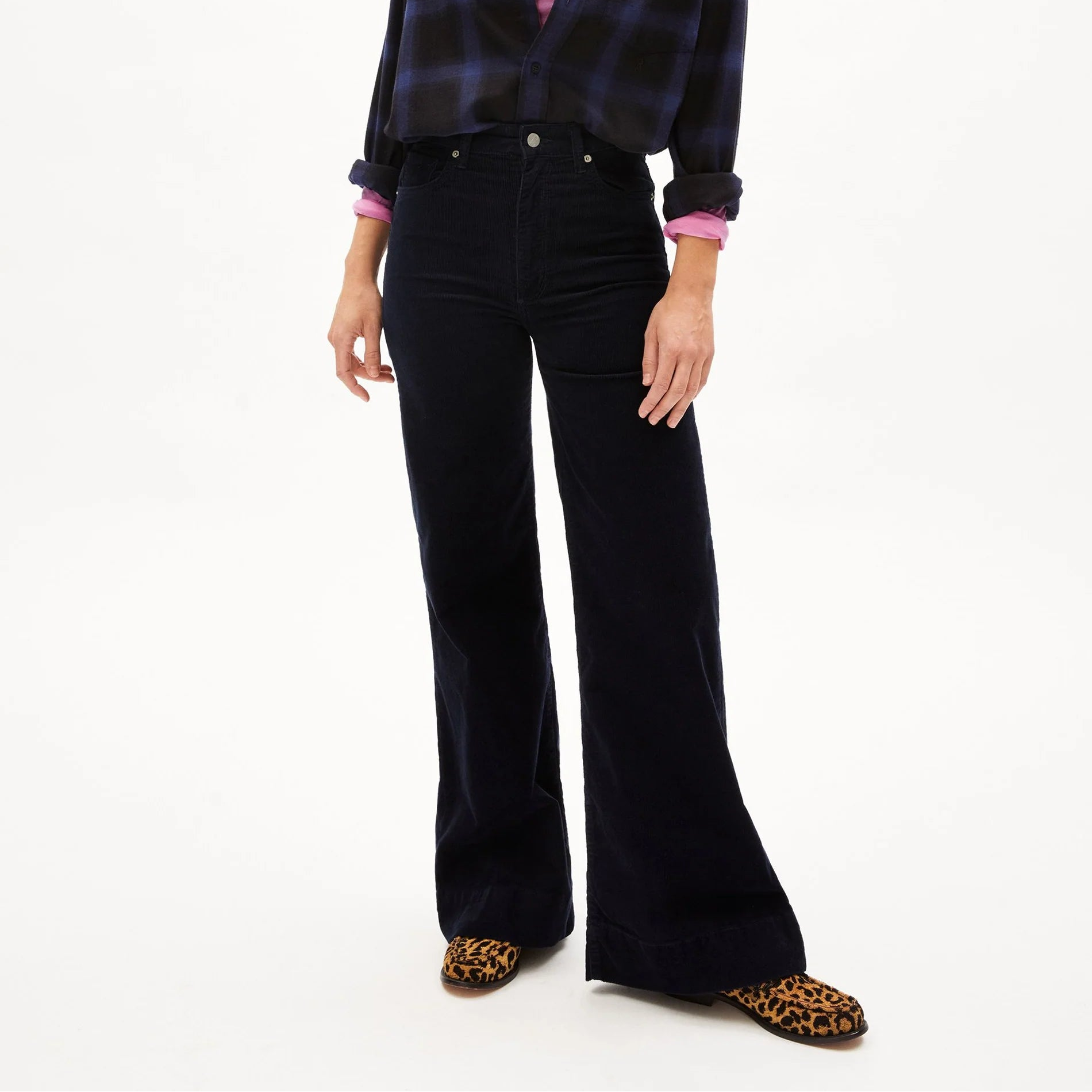
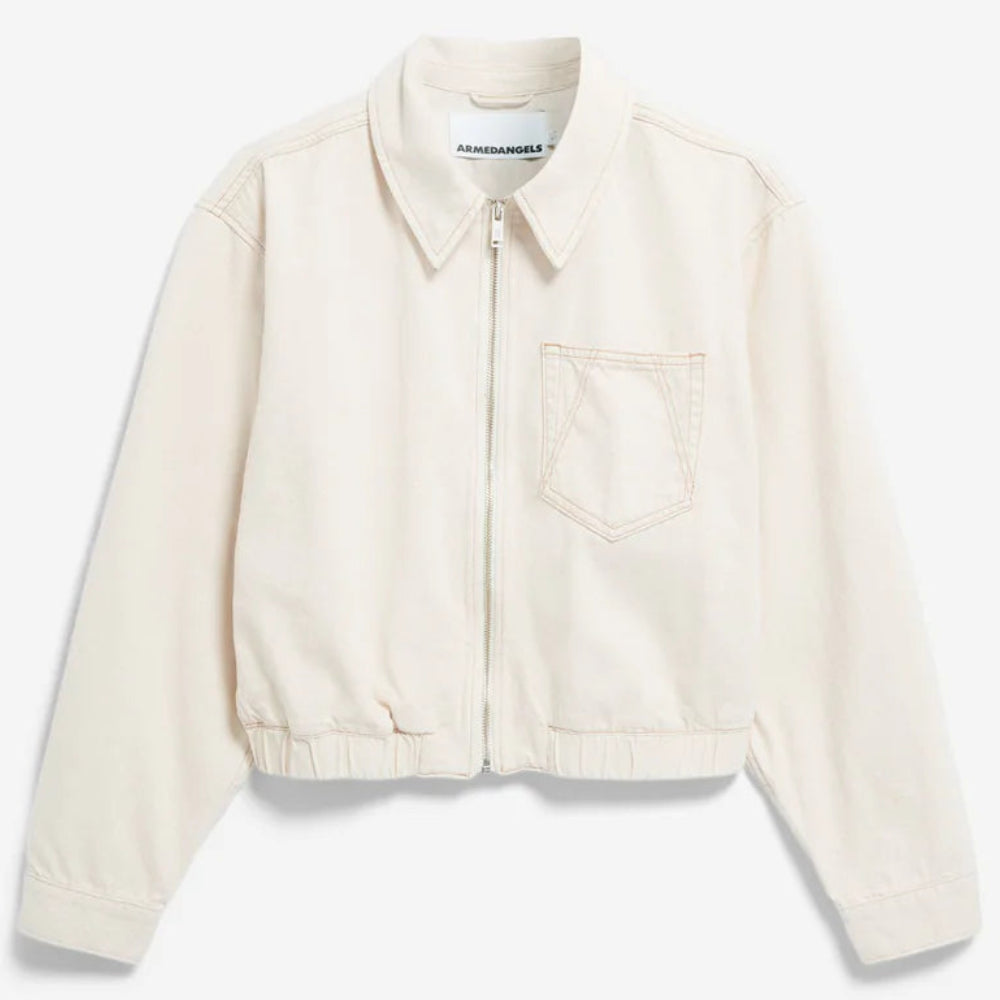
On the other hand, we often receive returns that become B-grade goods and end up in our shop because consumers haven't handled them carefully enough. These are, for example, clothing items that were returned to the retailer with stains or holes. We are, of course, happy to give these products a second chance, but we believe this is an issue that needs much more awareness. Not only companies, but also consumers should be aware of the consequences of careless handling of returns.
We make every effort to ensure our shipping processes are as sustainable as possible. Depending on the product, we use the smallest possible boxes to minimize material and packing material. Our shipping boxes are made from approximately 50% recycled material, and our packing material is 100% recycled. We also reuse boxes received through returns or deliveries whenever possible. We are happy to combine orders from the same customer placed close together into a single package.
We ship with DHL GoGreen. We pay a surcharge of €0.02 per package, which is then invested in sustainable projects. You can find more information about the current projects here .
We decided against offering free returns to encourage more conscious shopping. As a startup, it would also be too much of a financial burden for us to bear the costs of every return shipment.
We also write in the product descriptions as precisely as possible what defects the products have, in order to make the condition as transparent as possible for you.
We asked you on Instagram for your questions about returns (draft legislation) and shipping. Unless already explained in the text, we've answered them here for you:
Q: Will the law potentially lead to more brands and products in your offerings?
A: Since it's currently only a draft bill, we can't say for sure at this point. However, it's certainly not out of the question, and we would be very pleased if it were!
Q: Is there also a way to ship small items from the shop more cheaply? For example, cosmetics as a large letter?
A: Unfortunately, we cannot offer this because 1. the shipment would not be insured or trackable, 2. the products might not be adequately protected, and 3. our system only generates labels for packages, and manual creation would result in high costs and time.
Q: Is it possible to accumulate orders and then ship them together in one package after a few weeks?
A: We would theoretically love a group order, but unfortunately it is not currently feasible for us due to logistical and storage requirements.
We believe that not only companies, but also we as consumers have a responsibility to rethink our online ordering habits. We've compiled a few tips for you on how you can contribute to conserving resources:
We hope we've been able to shed some light on shipping and returns and give you some food for thought. If you have any further questions, please feel free to contact us :)
Sources:
https://www.uni-bamberg.de/news/artikel/retourenmanagement-2019/
https://www.tagesschau.de/wirtschaft/kabinett-retouren-vernichtung-103.html
https://www.zdf.de/nachrichten/politik/retouren-gesetzentwurf-kabinett-100.html
The draft law against the destruction of returned goods
A draft law was recently introduced that aims to prevent this destruction of returned goods:
- The duty of care is to be introduced, which obliges manufacturers and retailers to keep products usable and to destroy them only in exceptional cases.
- Companies will be required to transparently document how they handle returns. A corresponding regulation is being drafted by the Federal Ministry for the Environment.
- Manufacturers of disposable products such as to-go cups or cigarettes should contribute to the cleaning costs of streets and parks . Until now, these costs have apparently been passed on solely to citizens through municipal fees.
In practice: A report on Groenenberg's experience
To gain another perspective on the topic, we interviewed Peter from our partner company Groenenberg . Groenenberg sells products related to handcrafted coffee preparation and already has experience with shipping via Amazon and, consequently, with their returns process .Q: Peter, based on your experience: How does Amazon normally handle returns? And why did you decide not to participate anymore?
A: Amazon categorizes its returns as "sellable" and "unsellable." Sellable items are restocked and offered for sale again. The problem, however, is that a large portion of unsellable returns are disposed of. Furthermore, Amazon far too often classifies perfectly new and flawless items as unsellable. Sellers also have a responsibility here, as we, as retailers, can arrange for these "unsellable returns" to be sent to us by Amazon, thus preventing disposal. Therefore, all our products sold at Mit Ecken und Kanten were originally classified as "unsellable" by Amazon.
Q: Do you think the new law will bring about real changes?
A: I don't know, it's just a draft at the moment. The law is intended to hold online retailers accountable. Here, a distinction must be made between, for example, Amazon as a marketplace, which also sells its own products, and retailers like us who use such a marketplace as a sales channel. The media always talks about Amazon or Zalando, but every single retailer who uses these marketplaces bears responsibility and can influence this issue. It remains to be seen whether the law truly holds both sides accountable.
Q: Why do you get returns at all? You'd think you couldn't go too wrong with espresso makers, etc.
A: That's a good question. We actually have a very low return rate, but it still adds up to too many. We all need to take a hard look at ourselves as consumers. We receive so many returns where the product is still completely new and flawless that we wonder if some people even think before they order something. Of course, sometimes a product is genuinely defective, which is why we are constantly trying to improve the quality and design of our products to further reduce returns.
Our sustainable online shop
At Mit Ecken und Kanten (With Corners and Edges), our online shop offers sustainable companies the opportunity to give returned items with minor cosmetic flaws a second chance . These are usually products that still function and look perfectly fine and are far too good to throw away.
On the other hand, we often receive returns that become B-grade goods and end up in our shop because consumers haven't handled them carefully enough. These are, for example, clothing items that were returned to the retailer with stains or holes. We are, of course, happy to give these products a second chance, but we believe this is an issue that needs much more awareness. Not only companies, but also consumers should be aware of the consequences of careless handling of returns.
Our online shop: Plastic-free, resource-saving and individual
We make every effort to ensure our shipping processes are as sustainable as possible. Depending on the product, we use the smallest possible boxes to minimize material and packing material. Our shipping boxes are made from approximately 50% recycled material, and our packing material is 100% recycled. We also reuse boxes received through returns or deliveries whenever possible. We are happy to combine orders from the same customer placed close together into a single package.
We ship with DHL GoGreen. We pay a surcharge of €0.02 per package, which is then invested in sustainable projects. You can find more information about the current projects here .
Did you know that we offer free shipping on orders over €55 (within Germany)?
The return shipment from you to us in Nuremberg
We decided against offering free returns to encourage more conscious shopping. As a startup, it would also be too much of a financial burden for us to bear the costs of every return shipment.
We also write in the product descriptions as precisely as possible what defects the products have, in order to make the condition as transparent as possible for you.
Your community questions
We asked you on Instagram for your questions about returns (draft legislation) and shipping. Unless already explained in the text, we've answered them here for you:Q: Will the law potentially lead to more brands and products in your offerings?
A: Since it's currently only a draft bill, we can't say for sure at this point. However, it's certainly not out of the question, and we would be very pleased if it were!
Q: Is there also a way to ship small items from the shop more cheaply? For example, cosmetics as a large letter?
A: Unfortunately, we cannot offer this because 1. the shipment would not be insured or trackable, 2. the products might not be adequately protected, and 3. our system only generates labels for packages, and manual creation would result in high costs and time.
Q: Is it possible to accumulate orders and then ship them together in one package after a few weeks?
A: We would theoretically love a group order, but unfortunately it is not currently feasible for us due to logistical and storage requirements.
What can each individual do?
We believe that not only companies, but also we as consumers have a responsibility to rethink our online ordering habits. We've compiled a few tips for you on how you can contribute to conserving resources:
- Before ordering, consider whether you really need this product. Check reviews and/or product descriptions to see if it truly meets your expectations. Clothing, for example, often comes with size charts you can use as a guide and to take your own measurements.
- Order together with other people: This is not only better for the environment, but often also saves you shipping costs.
- Before you return a product directly, ask around among your friends or acquaintances to see if someone else might want to keep it.
- Treat products and their packaging that you wish to return with care and respect so that they can be resold as new goods.
- Save used shipping boxes – maybe you can use them to send something yourself someday.
We hope we've been able to shed some light on shipping and returns and give you some food for thought. If you have any further questions, please feel free to contact us :)
Sources:
https://www.uni-bamberg.de/news/artikel/retourenmanagement-2019/
https://www.tagesschau.de/wirtschaft/kabinett-retouren-vernichtung-103.html
https://www.zdf.de/nachrichten/politik/retouren-gesetzentwurf-kabinett-100.html












































Leave a comment
This site is protected by hCaptcha and the hCaptcha Privacy Policy and Terms of Service apply.