



Buying seasonal fruits and vegetables, taking the train on holiday, cycling instead of driving – saving CO2 is easy. There's so much we can do!
There is also a mantra that we can always take to heart:
Many little people, in many little places, doing many little things, can change the face of the world.
That's why we'd like to gather some tips here on how to keep an eye on your own ecological footprint, save CO2, and live more sustainably. And we'd like to introduce you to a small challenge from the Nuremberg Metropolitan Region that can motivate you to do just that – plus, there's some pretty cool stuff to be won.
The ecological footprint refers to the biologically productive area on our planet that is necessary to support a person's lifestyle and standard of living. Many factors are included in the calculation, such as the CO2 released by our activities. An individual's CO2 footprint depends on their lifestyle. Important influencing factors include mobility , diet , and personal consumption habits .
An article in Focus magazine calculates how much CO2 is consumed on an average day (in the office) – it's quite a lot. Do you actually know how big your carbon footprint is? You can calculate it by answering a few questions!
Through conscious actions and decisions, we can reduce our ecological and carbon footprint. We probably don't need to tell you the classic tips. Of course, public transport and cycling are good alternatives to owning a car, LED lamps last longer and consume less energy than conventional light bulbs, and electrical appliances should ideally be rated energy efficiency class A++.
Save CO2 with many small things
The Nuremberg Metropolitan Region is bringing together many small activities and tips in the CO2 Challenge, which begins on March 2nd, 2022, at the start of the traditional Lenten season. I spoke with Tamara Moll, one of the organizers, to tell you all about the 14-day challenge, because saving CO2 is really easy!
The CO2 Challenge: What exactly is it?
The CO2 Challenge is a joint project of the climate protection managers of the European Metropolitan Region, which is passed on to a new team each year, further developed and carried out.
Who came up with the idea, how, and when?
The CO2 Challenge started in 2017 as a personal experiment – back then it was called the CO2 Fasting Relay – and participants shared their experiences in a blog. In 2018, the circle of participants was expanded to include local and regional celebrities and politicians, and since 2019 we've been operating under the Challenge concept. We were somewhat surprised by its great success, as that year we won the national competition "Climate-Active Municipality" with the Challenge, along with prize money that helped us to further professionalize the Challenge since 2020.
How and, more importantly, who can participate? Only people from the metropolitan region?
Anyone with internet access can participate *laughs*. One of our most active participants in 2019 was in Shanghai at the time, and we actually had some hits from other EU countries and the USA as well. Meanwhile, the CO2 Challenge is being copied all over Germany – which is exactly what we want.
Saving CO2 sounds difficult somehow - what tasks need to be done?
That's why the challenge exists *laughs*, because it's really not difficult at all. It's only when I say, "Hey, starting tomorrow I'm going to live completely sustainably," that it feels like a huge mountain I have to climb. But if I try something new every day, just for that one day, then it's not hard. Our tasks are truly doable for everyone and relate to food, consumption, mobility, and energy. The best part is that you can usually save not only CO2 but also money.
Honestly, what's the point of saving CO2 for 14 days?
The 14 days themselves are of course just a drop in the ocean, but we hope that every participant integrates at least one task firmly into their own life or at least realizes: "It's easy." Because it's easy to start if you don't expect perfection from the outset, and if you approach it with a sense of humor and a sporting spirit, then sustainability is simply fun.
If we've piqued your interest, why not check out all the fun online?
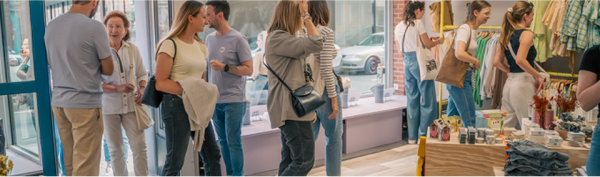
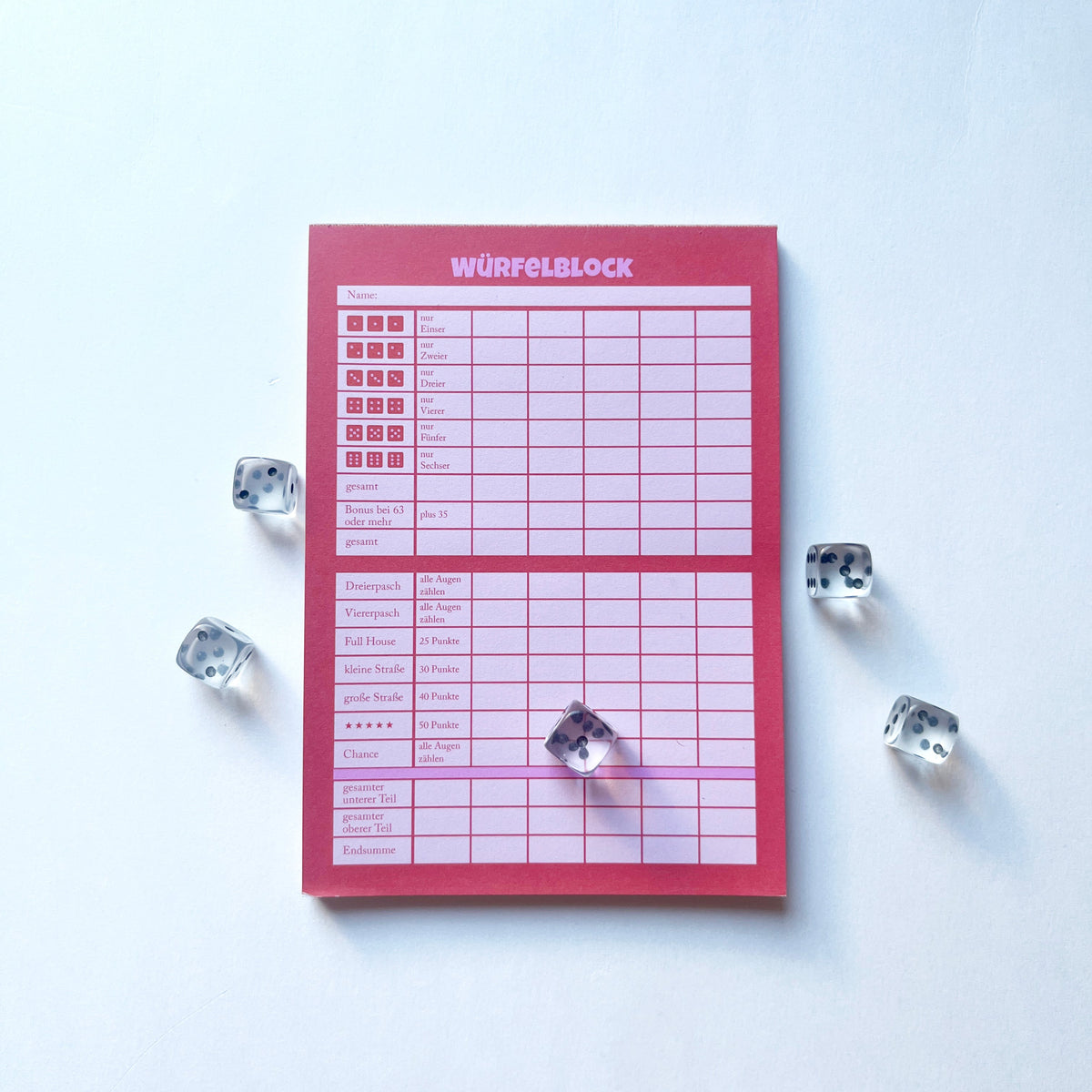
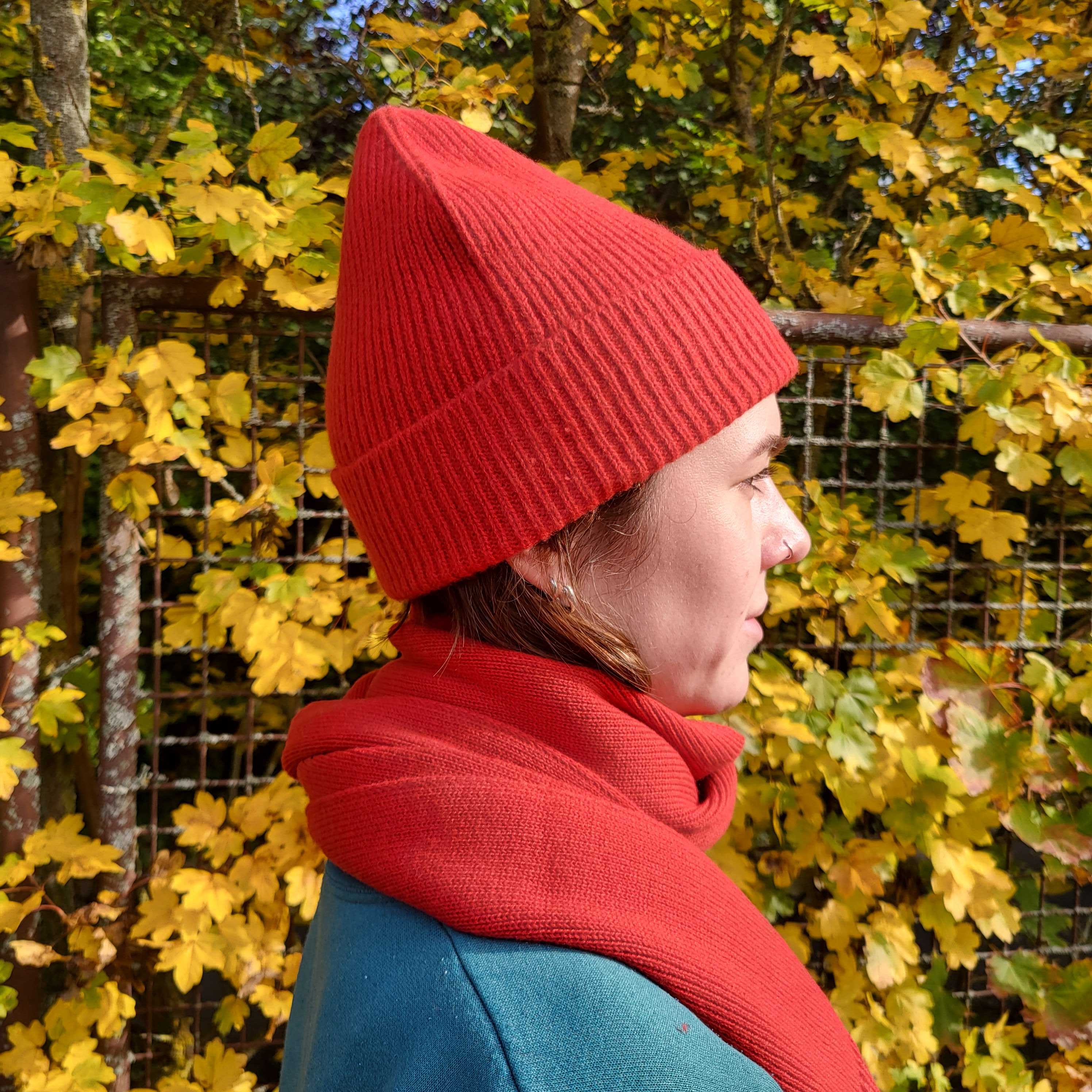
We at MEuKis have been excited about the challenge ever since we heard about it. That's why we browsed through the tasks from the last challenge to find out what to expect. And as Tamara already said, it's incredibly easy and even fun. That's precisely why we've provided the organizers with a special prize! You can't buy some of it; you have to earn it. But of course, there are plenty of products in our Imperfektshop that you can use to, for example, reduce your plastic consumption.
More tips from us for you, because saving CO2 is really easy!
- Stream less online – use more offline media!
- Buy vegetables, fruit and other produce directly from the producers if you have the opportunity.
- Consume food despite the best-before date having passed - but of course check beforehand whether it is still edible.
- Buy potting soil without added peat.
- Switch off devices that you are not using and do not leave them in standby mode.
- Saving products – for example with us, but also with the help of sharing communities












































































Leave a comment
This site is protected by hCaptcha and the hCaptcha Privacy Policy and Terms of Service apply.